Bed Bug Droppings: How to Identify Black Spots and Stains
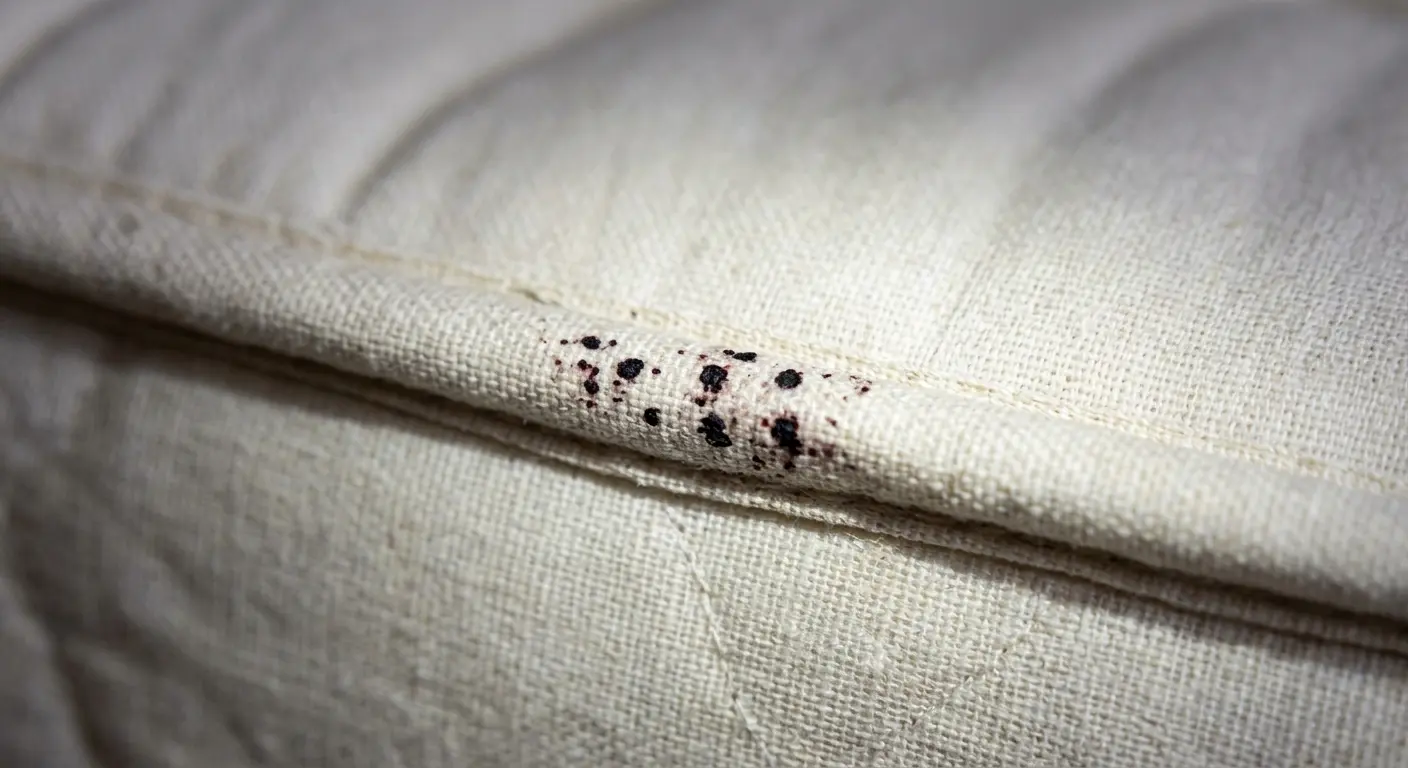
Bed bug droppings are digested blood that appears as dark brown or black ink-like dots, typically clustered near mattress seams, headboards, and baseboards where bed bugs hide. These fecal spots are often the first visible sign of an infestation — and knowing how to identify them correctly can save you weeks of uncertainty and prevent the problem from spreading.
Unlike other household pests that leave scattered waste, bed bugs tend to deposit their excrement in concentrated areas near their harborage sites. The Environmental Protection Agency and Centers for Disease Control and Prevention both recognize fecal spotting as a primary indicator of bed bug activity during inspections. This guide walks you through exactly what bed bug droppings look like, how to test suspicious spots, and what to do once you’ve confirmed their presence.
What Do Bed Bug Droppings Look Like?
Bed bug feces consist almost entirely of digested human blood, which gives them their characteristic dark coloration. Fresh droppings appear as dark reddish-black or tar-colored dots, roughly the size of a marker tip or pepper grain — about 0.5 to 1 millimeter across. On light-colored sheets and mattresses, they show up as tiny ink-like dots or smears that soak into fabric slightly, similar to how a felt-tip pen would bleed. For comparisons with other bed bug appearances, see our bed bug color guide and the bed bug photos and appearance gallery; to understand how size affects visibility, consult bed bug size and visibility.
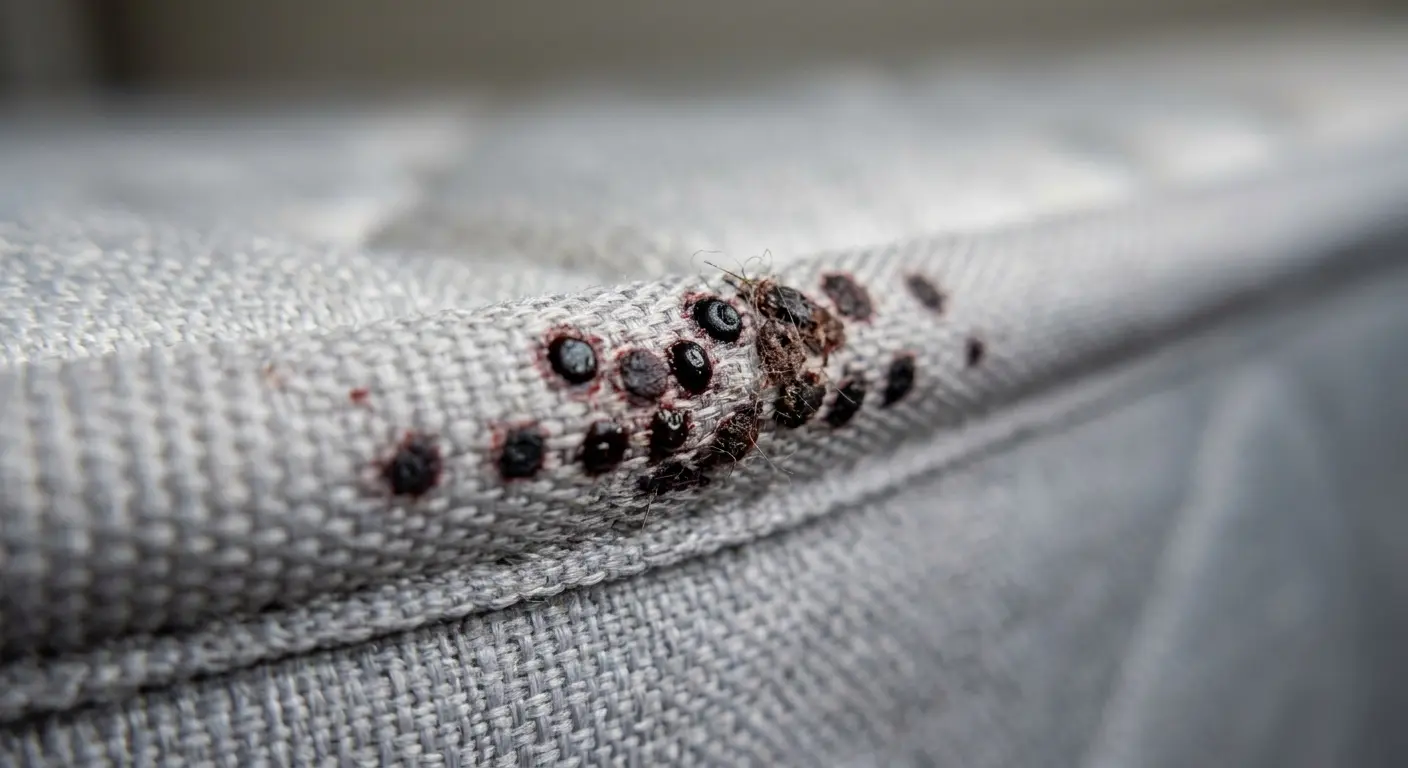
The consistency varies depending on when the dropping was deposited. Fresh bed bug excrement has a liquid or semi-liquid texture because it’s mostly blood that hasn’t fully dried. Older droppings become crusty and hardened, making them difficult to remove with simple wiping. If you press a fresh dropping with a damp cloth, it may smear and leave a rust-colored trail — a key distinguishing feature.
Most guides say bed bug droppings look like dark specks of dirt or ground pepper — but that’s only half the story. The Environmental Protection Agency’s bed bug detection resources (https://www.epa.gov/bedbugs) note that fresh droppings have a distinctly rusty or bloody appearance when smeared, which dirt and pepper never produce. This liquid blood content is what makes the water test (described below) so reliable.
Bed Bug Droppings vs. Other Black Spots
Not every dark spot on your bedding is bed bug feces. Flea dirt, carpet beetle waste, and even mold or mildew can look similar at first glance. The table below breaks down the key differences:
| Feature | Bed Bug Droppings | Flea Dirt | Mold/Mildew |
|---|---|---|---|
| Color | Dark reddish-black or tar-like | Dark brown/black | Greenish-black, gray, or brown |
| Shape | Round dots, ~1mm, may smear | Curved specks, ~0.5mm | Irregular patches, fuzzy edges |
| Texture | Liquid when fresh, crusty when dry | Dry, crumbly | Powdery or slimy |
| Location | Clustered near mattress seams, headboards | Scattered on lower body areas, pet bedding | Damp areas, poor ventilation |
| Water test | Smears rust-red (blood) | Smears light brown (digested blood) | Does not smear red |
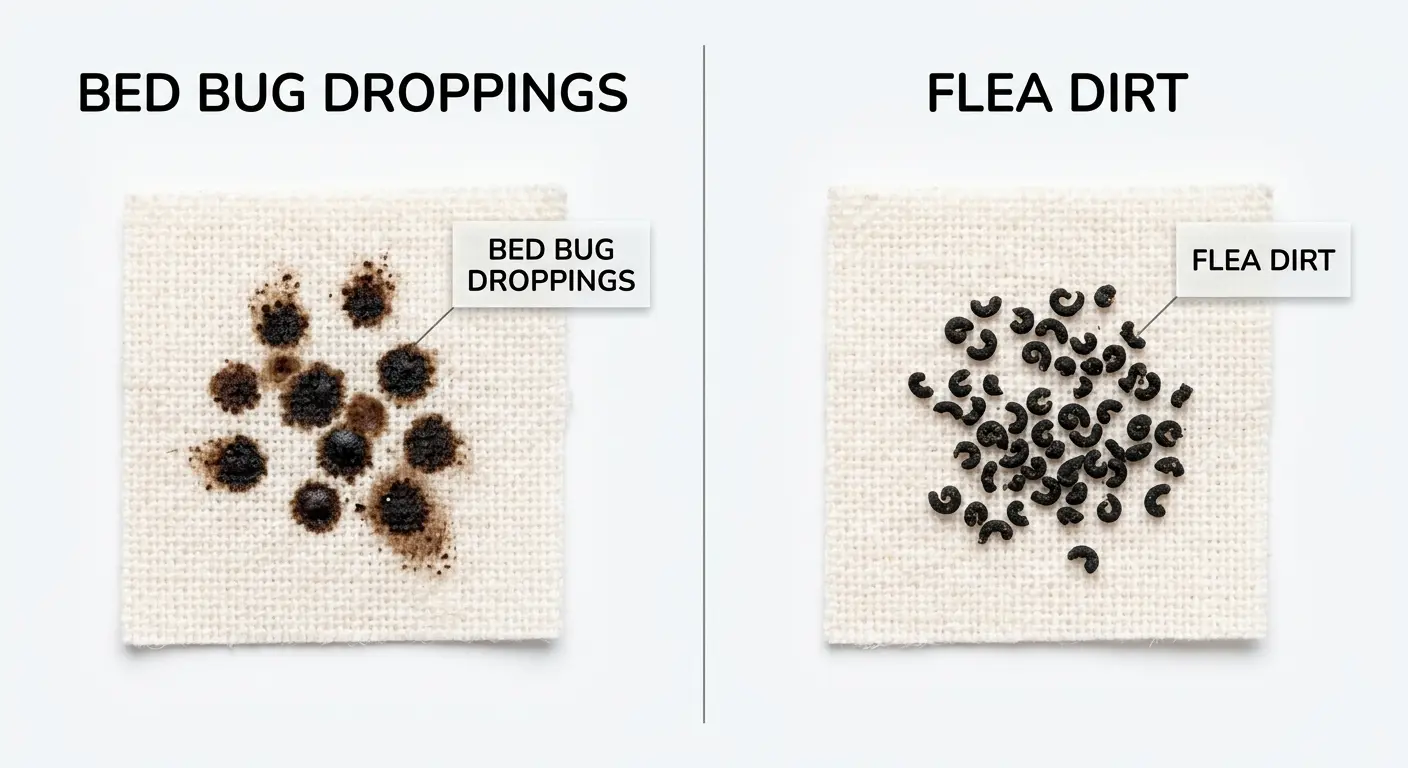
Flea dirt also consists of digested blood, so it will smear reddish when wet — but flea droppings are typically found lower on the body and in pet resting areas, not clustered along mattress seams. For more on similar-looking pests and how to tell them apart, see our pages on bed bug lookalikes and bed bug vs other insects. Bed bugs usually harbor in a single area together, which is where you’ll find most of their droppings concentrated rather than spread out across your sheets.
Where to Look for Bed Bug Feces
Bed bugs are nocturnal and prefer to hide close to their food source — you. Their droppings accumulate where they rest, which means you should focus your inspection on the following areas:
- Mattress seams and tufts — run a flashlight along the piping and stitching
- Box spring edges and corners — especially where fabric is stapled
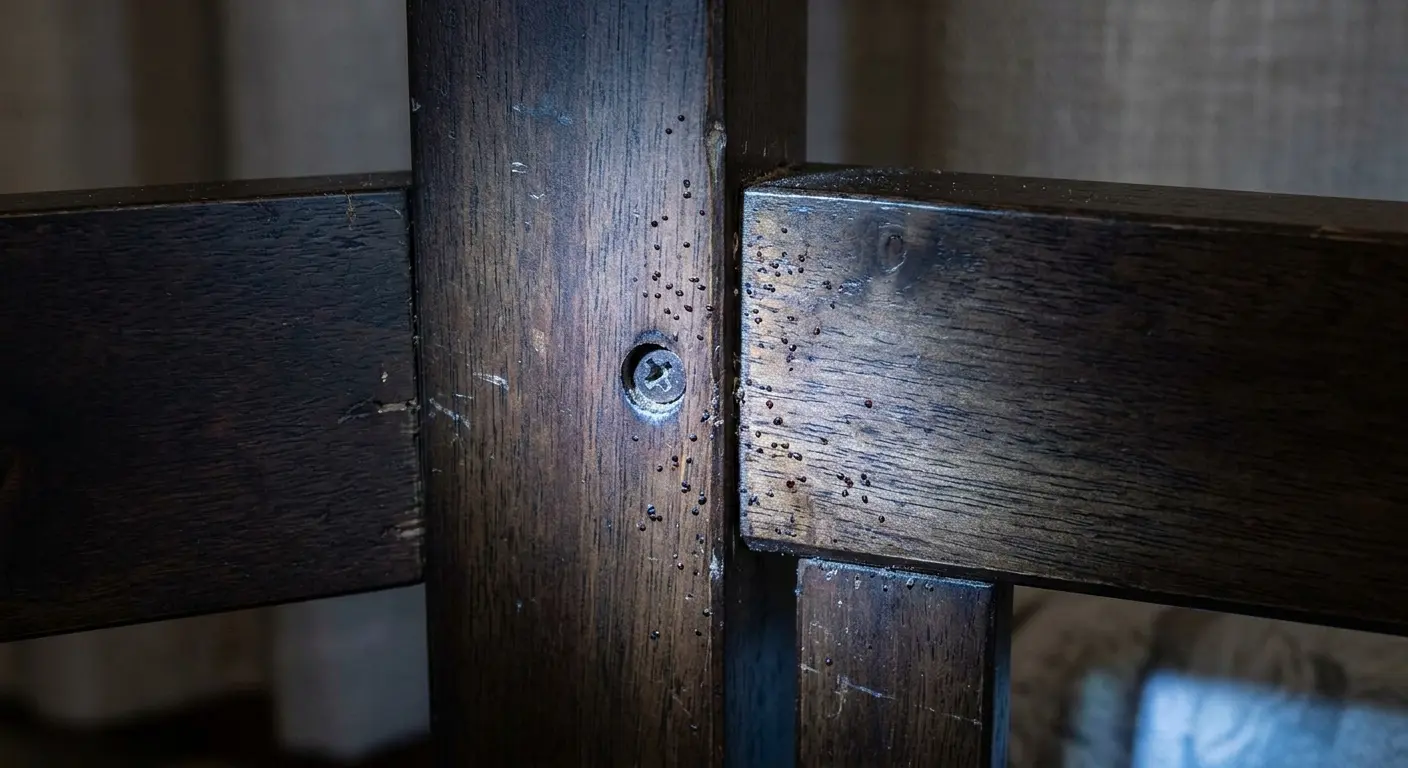
- Headboard and bed frame joints — check screw holes and cracks
- Baseboards and wall crevices — within 5-8 feet of the bed
- Upholstered furniture — sofas, chairs, and recliners near sleeping areas
- Curtain folds and behind picture frames — secondary harborage sites
The EPA recommends using a flashlight and magnifying glass during inspection, and running a credit card along mattress seams to catch hidden bugs and debris. Bed bug droppings often appear alongside other signs like shed skins, eggs, and live bugs — so finding feces should prompt a thorough search for these additional indicators. For details on typical bed bug harborage locations and distribution patterns, see where bed bugs are found.
The Water Test: How to Confirm Bed Bug Droppings
One of the most reliable ways to distinguish bed bug droppings from ordinary dirt is the water test. Because bed bug feces are essentially dried blood, they will rehydrate and smear with a distinctive reddish-brown color when exposed to moisture.
Step-by-step water test:
- Dampen a white paper towel or cotton swab with clean water
- Gently press it against the suspicious spot
- Wait 10-15 seconds, then wipe across the surface
- Observe the color left behind
If the spot smears into a rust-red or dark reddish-brown streak, it’s almost certainly bed bug feces. Ordinary dirt and dust will simply move around without producing a blood-colored stain. Dried droppings appear nearly black, which is why so many people mistake them for dirt — the water test reveals the true nature of the spot, making it one of the most practical identification methods available.
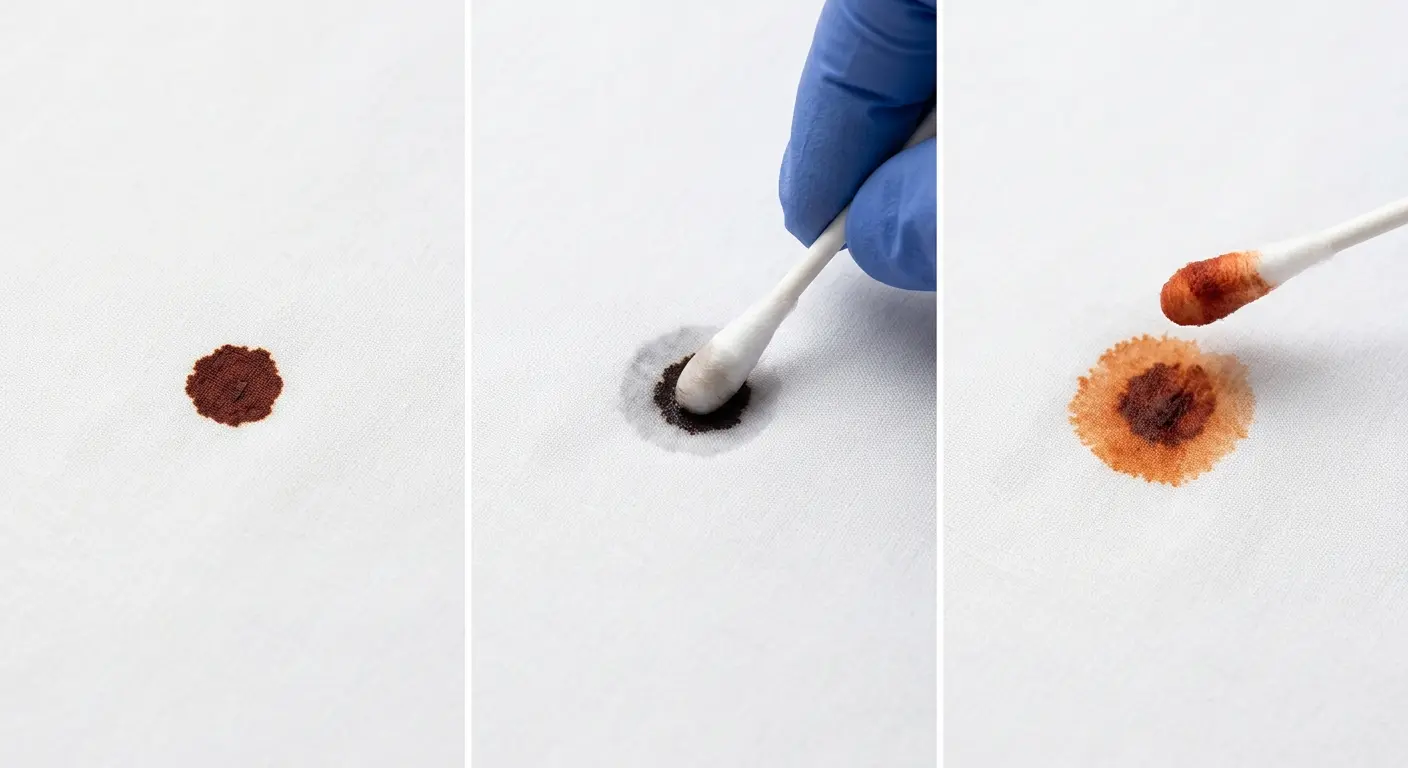
Most identification guides tell you to look for “rust-colored stains” — but they rarely explain that this color only appears when the droppings are wet.
Bed Bug Stains on Sheets and Mattresses
Beyond individual droppings, bed bugs leave behind larger stains that tell a different story. These stains fall into two categories: fecal smears and blood spots.
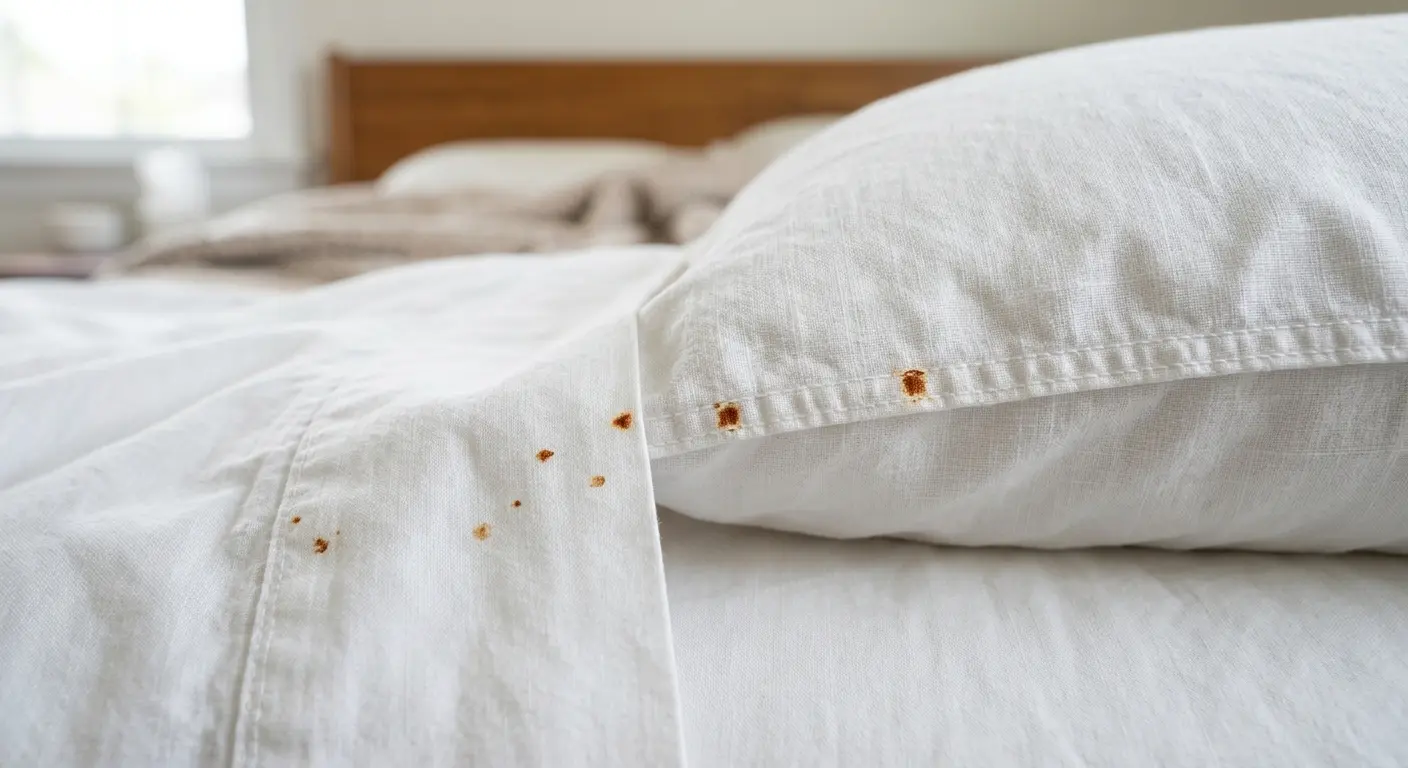
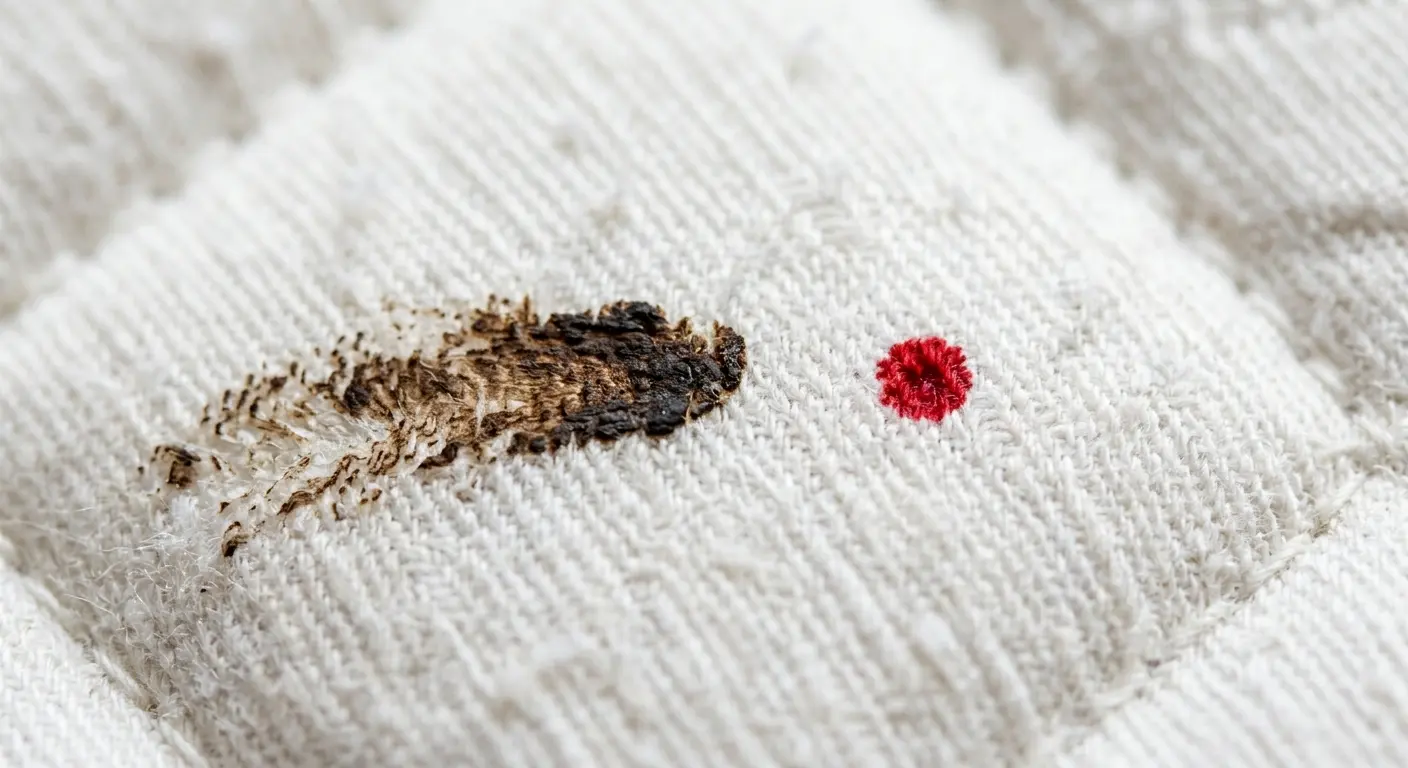
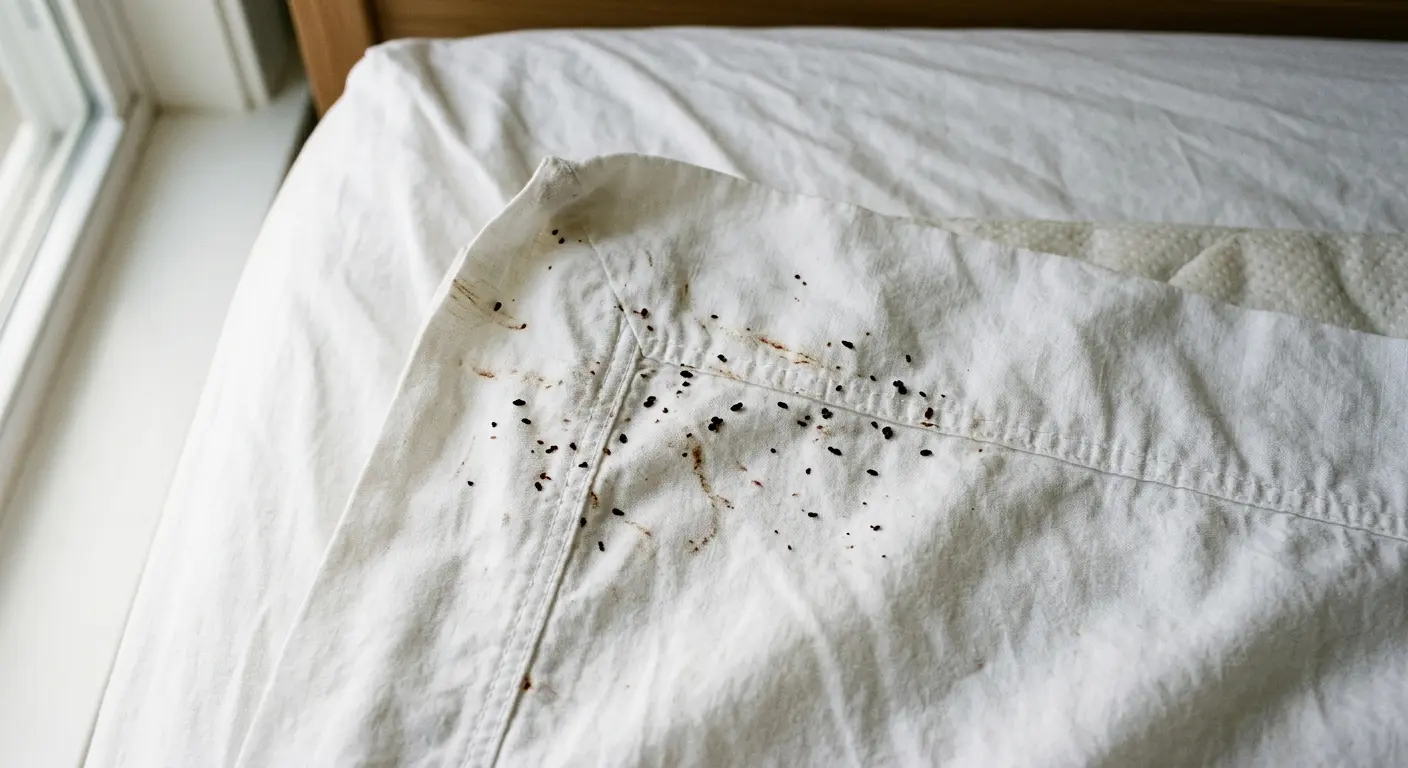
Fecal smears occur when a bed bug is crushed while feeding — often when you roll over in your sleep. The pressure forces partially digested blood from the bug’s body, creating a dark smear or streak on the fabric. These smears are typically 2-10 millimeters long and have a characteristic “dragged” appearance.
Blood spots are slightly different. These are small, pinpoint-sized red dots that appear when the bed bug’s anticoagulant saliva prevents your blood from clotting at the bite site. The blood seeps into the sheets after the bug finishes feeding and moves away. These spots are usually brighter red than fecal matter because they haven’t been digested.
For a deeper look at the differences between these stain types, see our guide on bed bug stains and the specific patterns found on bed bug blood stains.
Bed Bug Droppings on Different Surfaces
The appearance of bed bug droppings changes depending on the surface they land on. Understanding these variations helps you identify them in different contexts.
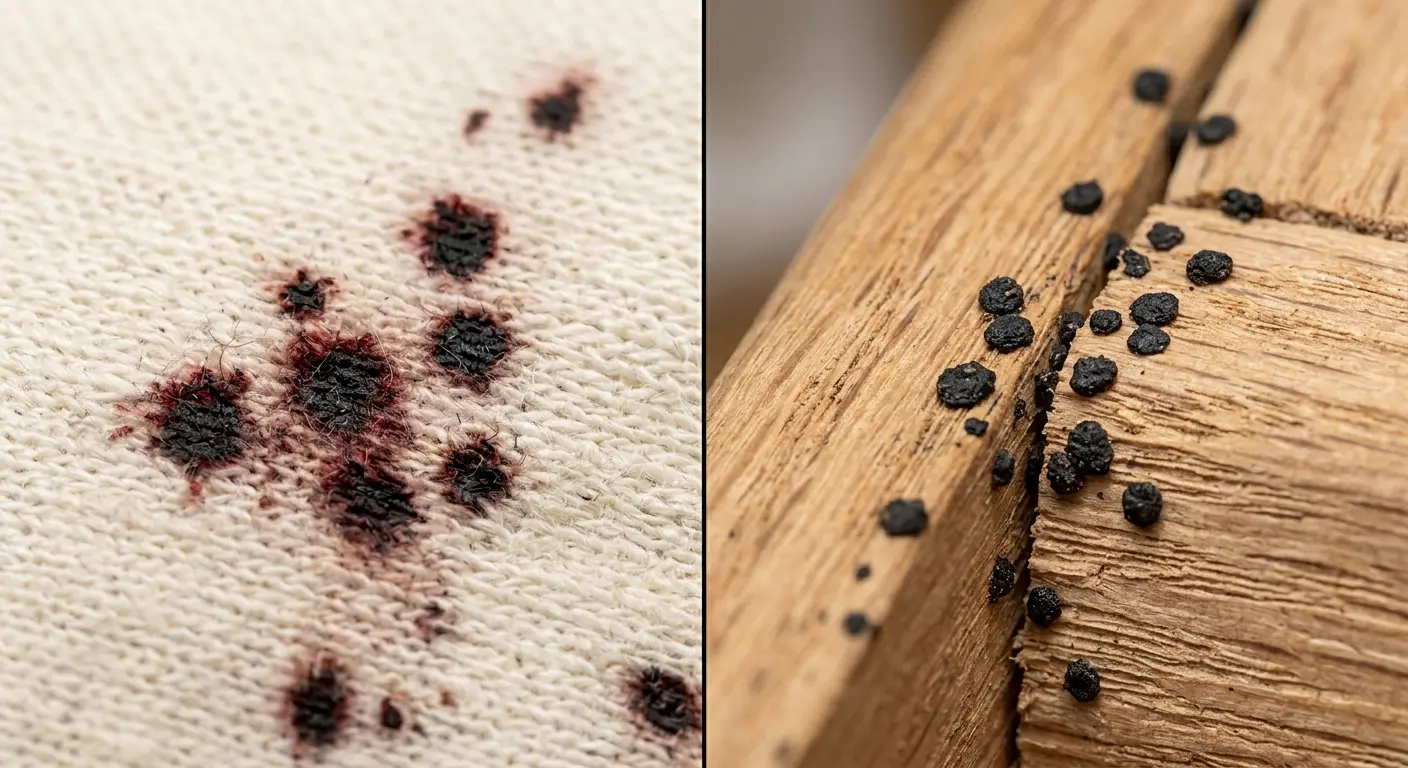
On fabric (sheets, pillowcases, clothing): Droppings soak into the fibers and spread slightly, creating dots with feathered edges. They’re difficult to remove with simple wiping and may require stain treatment.
On hard surfaces (wood, plastic, metal): Droppings dry as raised, crusty dots that can be scraped off. They’re often found along bed frame joints, nightstand surfaces, and baseboards.
On walls and wallpaper: Bed bug feces appear as small dark specks, often in clusters near the ceiling or along the top of baseboards. On light-colored walls, they’re highly visible; on dark or patterned walls, they may go unnoticed.
On mattresses: The most common location — droppings concentrate along the piping, seams, and tufts where bed bugs hide during the day. See our detailed guide on bed bug droppings on sheets for surface-specific identification tips.
How Many Droppings Indicate an Infestation?
The number of droppings you find correlates with the size and duration of the infestation. A few isolated spots might indicate a recent introduction — perhaps a single bed bug hitchhiking on luggage or clothing. Large clusters of droppings, especially spread across multiple surfaces, suggest an established population that’s been feeding for weeks or months.
A single bed bug can produce multiple droppings per feeding cycle, and adults feed every 5-10 days. A moderate infestation of 50-100 bed bugs can generate dozens of droppings per week. If you’re finding fresh droppings daily, the population is actively growing and requires immediate treatment.
The distribution pattern matters too. Bed bugs typically deposit droppings near their harborage — so finding feces concentrated in one area (like a mattress seam) points to a localized infestation, while scattered droppings across multiple rooms suggest the bugs have spread.
Bed Bug Feces vs. Bed Bug Eggs
New inspectors sometimes confuse bed bug droppings with bed bug eggs. Both are small and dark, but they’re fundamentally different:
- Droppings are flat, irregular dots that smear when wet
- Eggs are oval-shaped, about 1mm long, and have a distinct “cap” at one end
- Eggs are typically pearly white when fresh, turning darker as they mature
- Eggs are often glued to surfaces in clusters of 5-10
Compare the suspected item to common bed bug body parts to help confirm identification. If you’re unsure which you’re looking at, our guide on what does bed bug poop look like covers the distinguishing features in detail. For more about nymphs and baby bed bugs, see baby bed bugs and nymphs, and to learn how shed skins and casings appear, consult bed bug shells and shed skin.
Health Risks Associated with Bed Bug Feces
While bed bug droppings are unpleasant, they don’t pose significant health risks to most people. The primary concern is allergic reactions — some individuals develop skin irritation or respiratory symptoms when exposed to bed bug feces and shed skin particles. Bed bugs are not known to transmit disease, but their presence can cause psychological distress, sleep deprivation, and secondary skin infections from scratching bites.
If you’re experiencing bite reactions, our bed bug identification guide can help you confirm whether bed bugs are the cause and distinguish their bites from other insect bites.
How to Clean Bed Bug Droppings Safely
Once you’ve confirmed bed bug droppings, proper cleaning is essential — both for hygiene and to monitor whether treatment is working.
Cleaning fabric surfaces:
- Remove bedding and wash in hot water (at least 120°F/49°C)
- Dry on the highest heat setting for at least 30 minutes
- For stubborn stains, pre-treat with an enzyme-based stain remover
- Vacuum mattresses thoroughly, paying special attention to seams
Cleaning hard surfaces:
- Vacuum up dried droppings
- Wipe with soap and water or a mild disinfectant
- Avoid harsh chemicals that could damage surfaces
Important: After cleaning, continue monitoring for new droppings. Fresh spots indicate active bed bug activity and mean treatment hasn’t been fully effective.
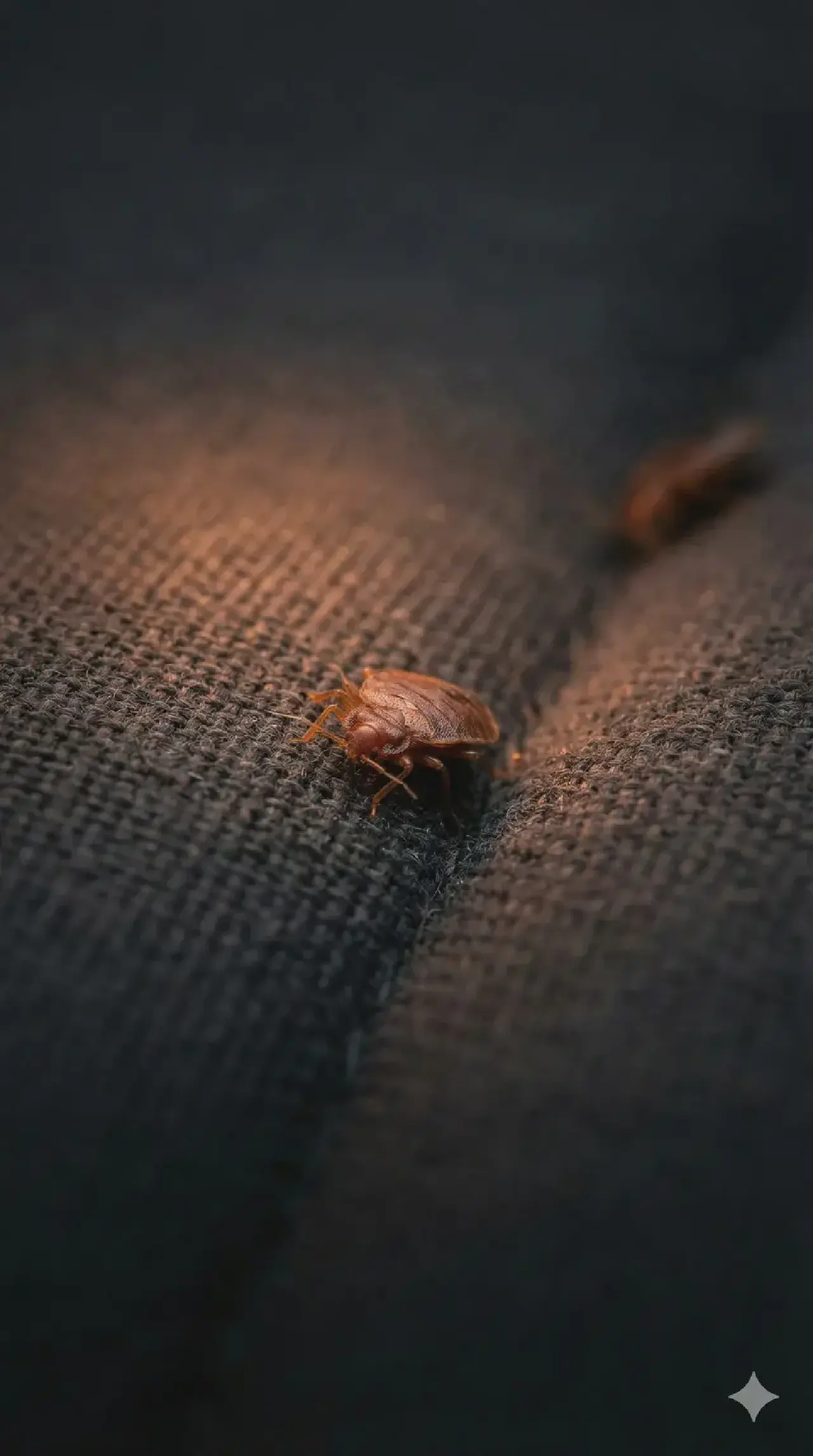
Not sure if those marks are bed bug bites or something else?
Upload a photo to our identifier tool — get a confirmed answer in under 60 seconds.
When Droppings Appear Without Other Signs
Finding droppings but no live bugs or eggs is common in the early stages of an infestation — or after a treatment that killed the bugs but didn’t remove their waste. In both cases, the droppings serve as a warning sign that requires action.
If you’ve recently treated for bed bugs, old droppings may remain for months. The key is determining whether they’re fresh or old. Fresh droppings smear easily and have a darker, wetter appearance. Old droppings are crusty, brittle, and may crumble when touched. If you’re only finding old droppings, the treatment likely worked — but continue monitoring for several weeks to confirm.
If you’re finding fresh droppings without other signs, the bed bugs are still active and hiding well. This is when a thorough inspection becomes critical. Check every crack and crevice near your bed, including inside electrical outlets, behind baseboards, and in furniture joints. If you find only dead insects, see our dead bed bugs guide for how to interpret those findings.
Inspection and Treatment Options
While DIY identification is possible, our site offers detailed inspection guidance and a recommended treatment plan that outlines detection tools and methods to locate bed bugs and their droppings, even in hard-to-reach areas. Detection approaches range from visual inspections and monitoring devices to canine scent detection in specialized settings; our resources on bed bug behavior and identification and bed bug species and names explain how behavior and species affect where bugs hide and feed.
Treatment options include:
- Heat treatment — raises room temperature to 120-135°F to kill all life stages
- Chemical treatment — EPA-registered insecticides applied to harborage areas
- Steam treatment — kills bed bugs and eggs on contact
- Vacuuming and physical removal — reduces population before chemical treatment
We recommend following a comprehensive plan that uses a combination of these methods; DIY alone often fails to eliminate the entire population without careful, repeated application and monitoring.
Preventing Future Bed Bug Droppings
Prevention focuses on avoiding bringing bed bugs into your home and catching them early if they arrive:
- Inspect secondhand furniture before bringing it inside — check seams, folds, and crevices
- Use protective mattress and box spring encasements to trap bed bugs and make detection easier
- Reduce clutter around your bed to eliminate hiding spots
- Inspect hotel rooms when traveling — check mattress seams and headboards before unpacking
- Launder clothing immediately after returning from travel on high heat
Early detection is your best defense. Regular inspections of your mattress seams and bed frame — even monthly — can catch an infestation before it becomes established.
Still not sure if it's bed bugs or a different insect?
Our AI tool compares your photo against thousands of confirmed cases instantly.
How Long Do Bed Bug Droppings Last?
Bed bug droppings don’t decompose or disappear on their own. Without cleaning, they can remain visible for months or even years. The dried blood resists bacterial breakdown, and the dark pigment persists on most surfaces.
This longevity is actually useful for monitoring — if you clean an area thoroughly and new droppings appear within a few days, you know bed bugs are actively feeding. If no new droppings appear after several weeks, the treatment was likely successful.
Bed Bug Droppings on Walls and Ceilings
Bed bugs occasionally climb walls and deposit droppings along the way, especially in heavy infestations. These appear as small dark specks or streaks on light-colored walls, often following a vertical line pattern as the bugs travel between their harborage and your bed.
Wall droppings are typically smaller and less concentrated than those found on mattresses. They may be mistaken for fly specks or mold — the water test remains the most reliable way to confirm their identity.
Frequently Asked Questions About Bed Bug Droppings
What do bed bug droppings look like on sheets?
Can bed bug droppings be mistaken for something else?
Are bed bug droppings dangerous?
How do I know if droppings are fresh or old?
Do bed bug droppings wash out of sheets?
Where do bed bugs leave droppings?
- Are There Different Species of Bed Bugs? Complete Guide to Bed Bug Types and Names
- Baby Bed Bugs: What Nymphs Look Like and How to Identify Them
- Bed Bug Photos: Close-Up Images to Identify Every Life Stage
- Bed Bug Shells: The Complete Guide to Casings and Shed Skin
- Bed Bug Smell: What Do Bed Bugs Smell Like and Why It Matters
- Bed Bug vs Other Insects: 12 Lookalikes You Need to Identify
- Bugs That Look Like Bed Bugs: 12 Lookalikes You Need to Know
- Dead Bed Bugs: How to Identify Carcasses, Husks & What They Really Mean
- Do Bed Bugs Have Wings? The Truth About Bed Bug Body Parts
- How Big Are Bed Bugs? Size, Visibility & What You Can See
- What Color Are Bed Bugs? The Complete Color Guide by Life Stage
- Where Do Bed Bugs Hide? The Complete Hiding Spot Guide