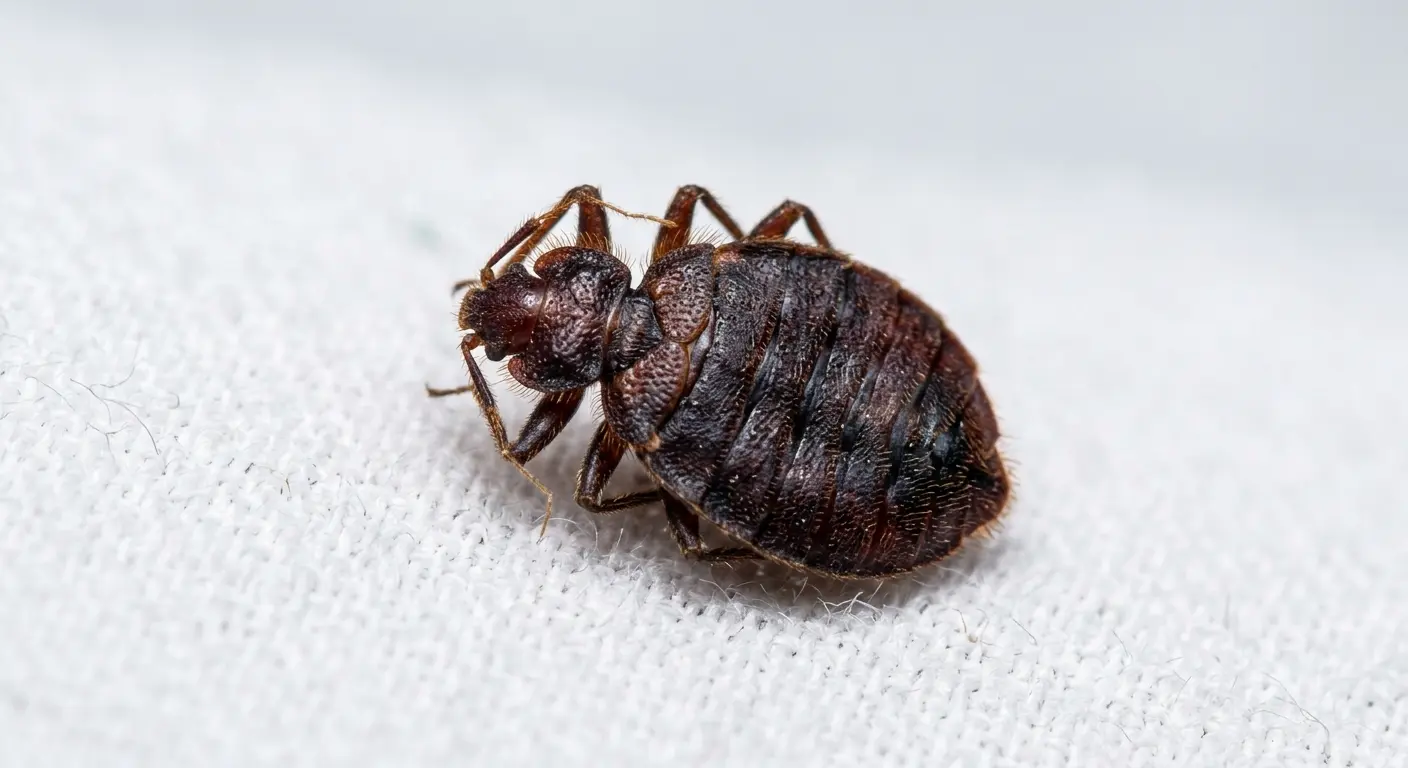
Dead bed bugs appear as flattened, dried-out, curled-up insects with a rusty brown or black color, often found near mattress seams, bed frames, and baseboards — and finding them means you either had an infestation or still have one. The critical question isn’t just whether the bug is dead, but when it died and why. A dried carcass from an old treatment is very different from a fresh corpse indicating an active infestation that’s dying off — or one that’s thriving and leaving dead members behind. For a complete overview, see our bed bug identification guide and review our bed bug behavior and identification resources.
Most guides simply tell you to look for dead bugs and seek outside help. Instead, confirm the identification (use our photo identifier) and follow this site’s treatment guidance, recommended products, and monitoring steps.
Most guides simply tell you to look for dead bugs and seek outside help. Instead, confirm the identification (use our photo identifier) and follow this site’s treatment guidance, recommended products, and monitoring steps.
Most guides simply tell you to look for dead bugs and seek outside help. Instead, confirm the identification (use our photo identifier) and follow this site’s treatment guidance, recommended products, and monitoring steps.
The Centers for Disease Control and Prevention notes that bed bugs are excellent at hiding, which means finding dead ones often requires knowing exactly where to look — and understanding what you’re seeing determines your next move. This guide covers how to identify dead bed bugs, distinguish them from shells and other insects, and use what you find to make smarter treatment decisions.
What Do Dead Bed Bugs Look Like?
Dead bed bugs look like flattened, shriveled versions of live ones — they lose their oval, balloon-like shape and appear dried out, with legs curled inward and bodies that look deflated or crumpled. The color shifts from the reddish-brown of a live, recently-fed bug to a darker, duller brown or even black as the body dries and oxidizes; see our bed bug color guide for more on how color changes across life stages.
Freshly killed bed bugs (within hours) may still look relatively plump and retain some color. Within a few days, they dry out significantly. A dried dead bed bug will often have a papery, brittle appearance — you might even see light passing through the thin exoskeleton if you hold it up to a bright light. The Environmental Protection Agency emphasizes that proper identification is the first step in effective control, since many insects get mistaken for bed bugs.
Key Visual Features of Dead Bed Bugs
| Feature | Live Bed Bug | Fresh Dead (Hours) | Dried Dead (Days+) |
|---|---|---|---|
| Body shape | Oval, slightly flattened | Still oval, may be slightly deflated | Flat, shriveled, curled |
| Color | Rusty brown (darker after feeding) | Similar to live, maybe slightly duller | Dark brown to black, sometimes translucent |
| Legs | Extended, can move | May be curled slightly | Curled inward, brittle |
| Texture | Firm, resilient | Softening | Papery, brittle, fragile |
| Response to touch | Will scatter or crawl | May twitch if recently killed | Completely still, may crumble |
Dead Bed Bug vs. Bed Bug Shell: Spot the Difference
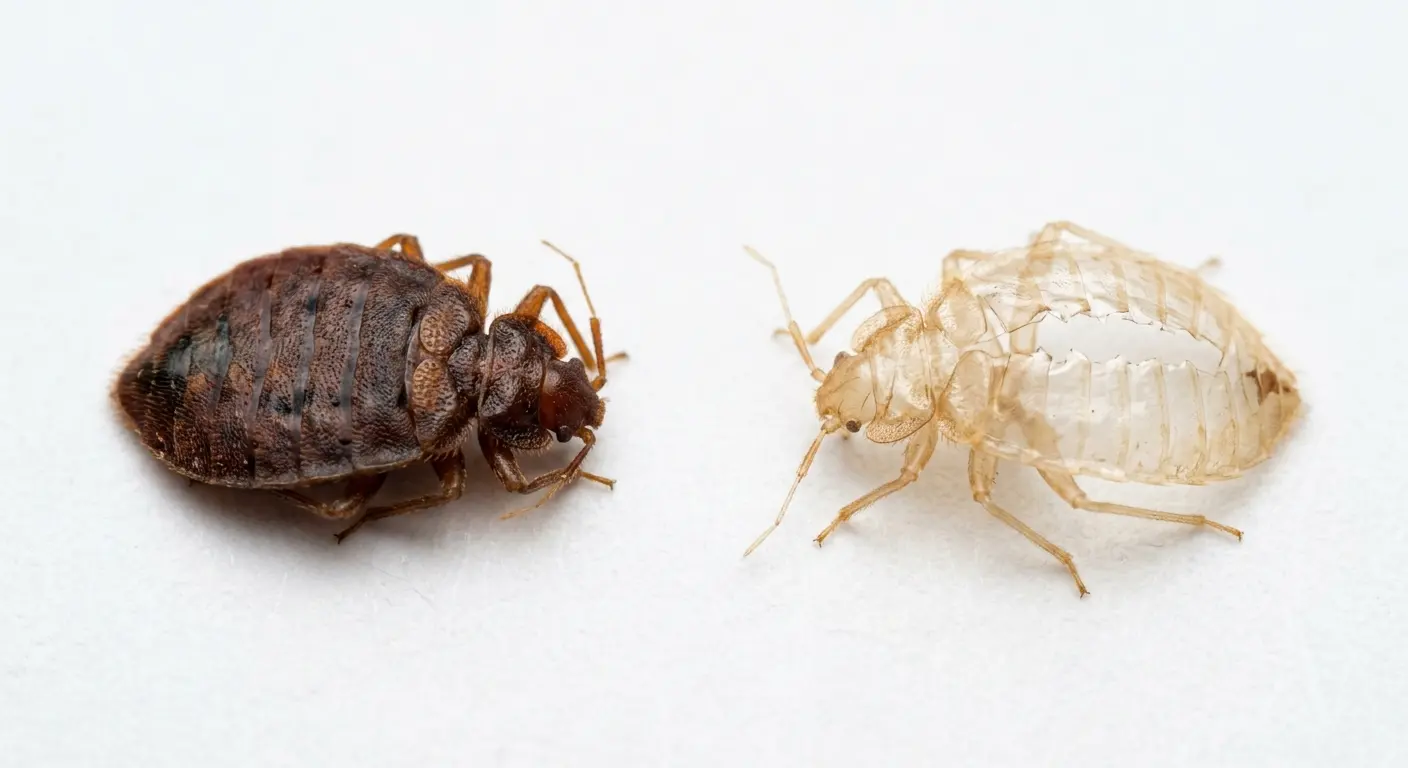
A bed bug shell (also called a husk or exuviae) is the shed exoskeleton left behind when a nymph molts — it’s not a dead bug at all, and confusing the two leads to incorrect conclusions about your infestation. Shells are translucent, hollow, and paper-thin, with a split down the back where the nymph emerged. Dead bugs, by contrast, are opaque, have visible internal structure, and show no exit split. For more detail on shed skins and molted casings, see our bed bug shells and shed skin guide.
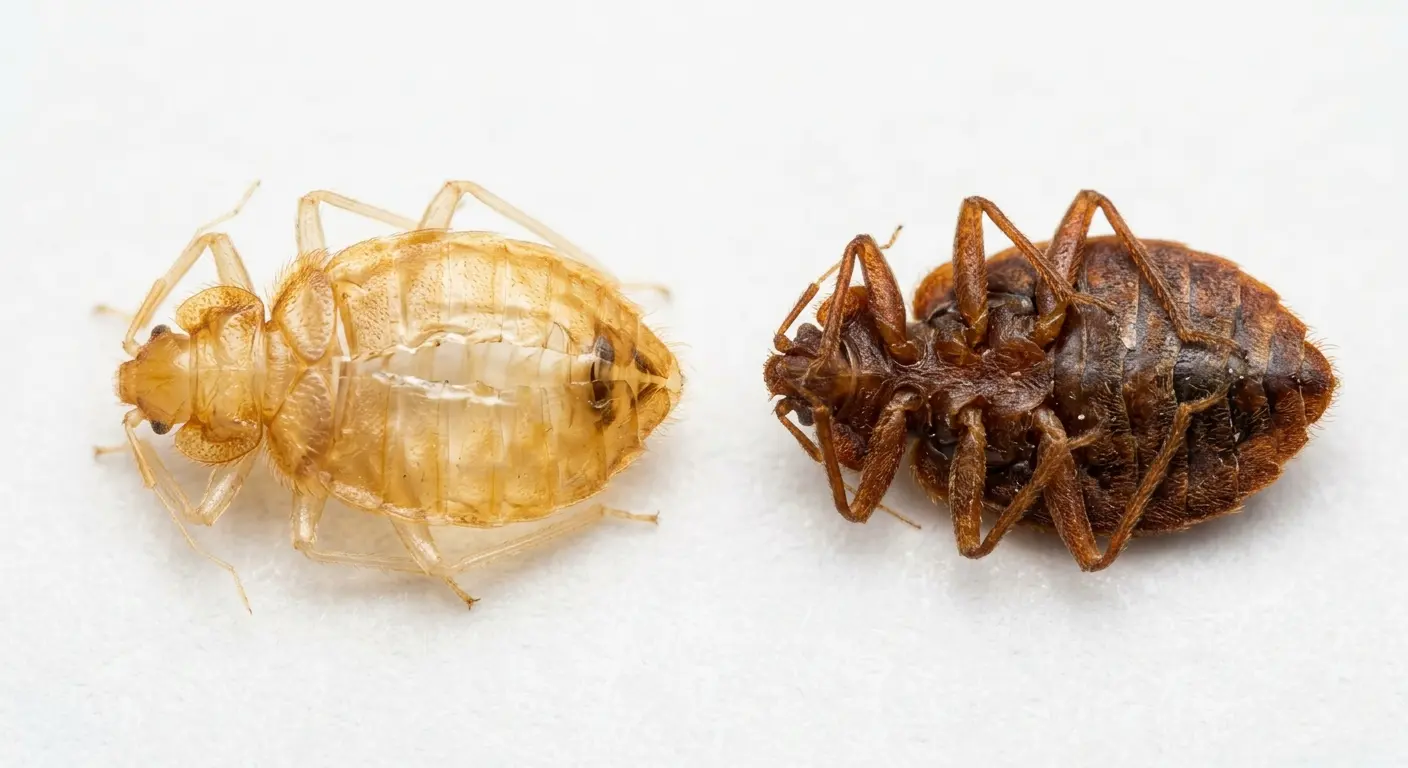
Nymphs must molt five times before reaching adulthood, which means finding multiple shells is a sign of active growth — not death; see our baby bed bugs and nymphs guide for details. If you’re finding what looks like dead bed bugs near your mattress, check for the telltale split: shells have one, carcasses don’t. This distinction matters because finding shells means live bed bugs are actively developing nearby, while finding carcasses might mean your treatment is working.
For a deeper comparison, check out our guide on dead bed bug shells to see side-by-side differences.
Why Do Bed Bugs Die? Common Causes
Bed bugs die from three primary causes: pesticide treatment, physical destruction (squashing), and natural causes like starvation or dehydration. Understanding why a bed bug died tells you whether your situation is improving or worsening.
Treatment-killed bed bugs typically die within days of exposure to insecticides. Physical destruction — like squishing one while you sleep — leaves a distinctive flattened corpse, sometimes with blood smears. Natural deaths occur when bed bugs can’t find a host for extended periods; adult bed bugs can survive 2-3 months without feeding at room temperature, but nymphs die much faster.
Most guides say finding dead bed bugs after treatment means success — but research from the University of Kentucky Entomology Department shows that bed bugs have developed resistance to many common pyrethroid insecticides. If you’re finding dead bugs after DIY treatment, they may be the susceptible ones while resistant survivors continue breeding. This is why finding dead bugs without a corresponding drop in live sightings or bites may indicate partial treatment failure rather than success.
Where to Find Dead Bed Bugs in Your Home
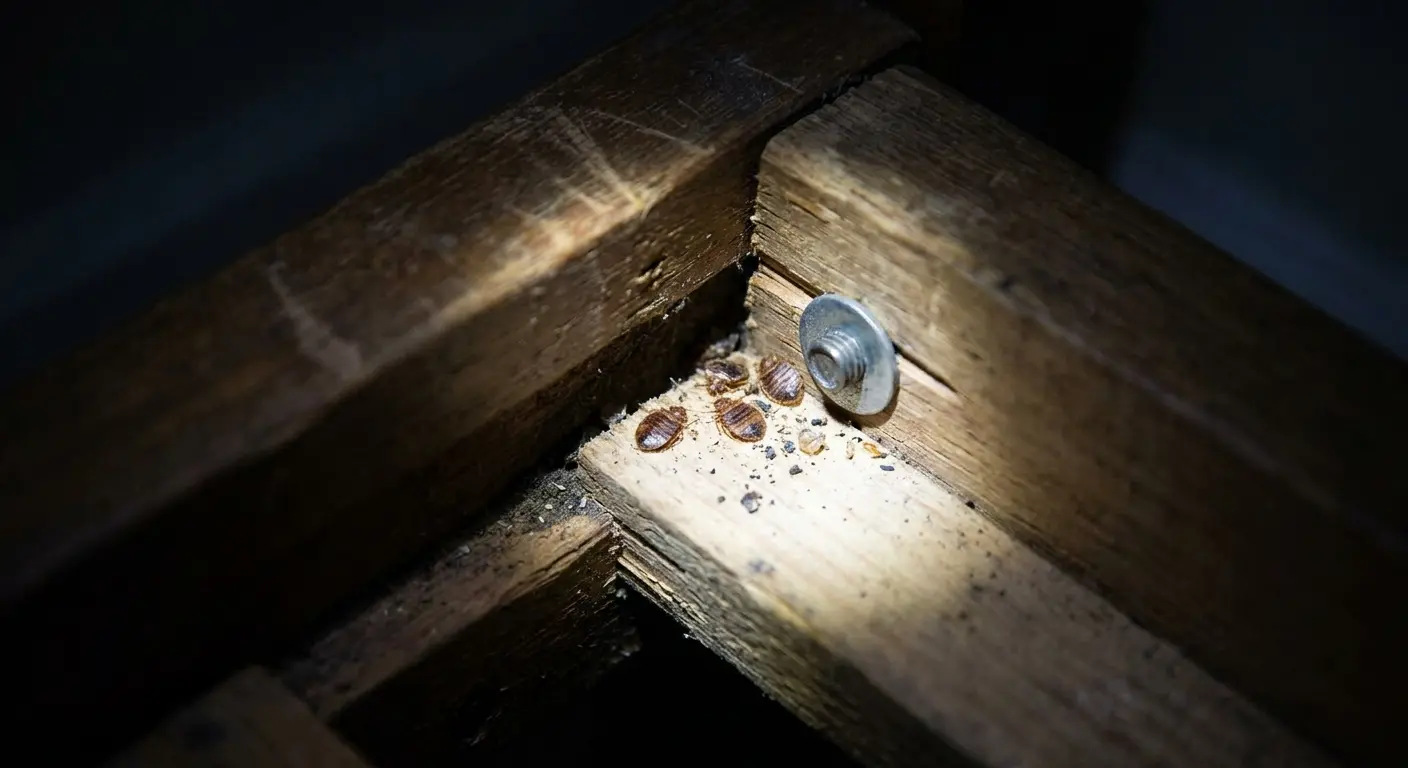
Dead bed bugs accumulate in the same harborages where live ones hide — check our guide on where bed bugs are found for full details — but they’re often easier to spot because they don’t scurry away when disturbed. Check these locations systematically:
- Mattress seams and tufts — Run a credit card along seams to dislodge debris
- Box spring edges and corners — Lift the fabric and inspect the wood frame
- Bed frame joints and screw holes — Use a flashlight to peer into crevices
- Headboard and footboard — Especially behind and underneath
- Baseboards and floor cracks — Near the bed, within 5-8 feet
- Nightstands and furniture joints — Inside drawers and under edges
- Curtain folds and wall hangings — Behind picture frames and posters
Dead bed bugs often accumulate in areas you rarely clean — under furniture, behind headboards, and in carpet edges. If you’ve recently treated, expect to find more dead bugs in the days following, as the insecticide continues to work. If you haven’t treated, finding dead bugs might mean an old infestation that died out naturally (rare), or a current one where bugs are dying from other causes. When inspecting, also check for live bugs, droppings and stains, and fresh bites.
Squished Bed Bugs: What Crushed Carcasses Tell You
A squished bed bug leaves a distinctive flattened carcass, often accompanied by a dark blood stain or rust-colored smear on your sheets or mattress. This happens when you roll over a bed bug during sleep — the bug’s body ruptures, releasing digested blood that stains fabric.
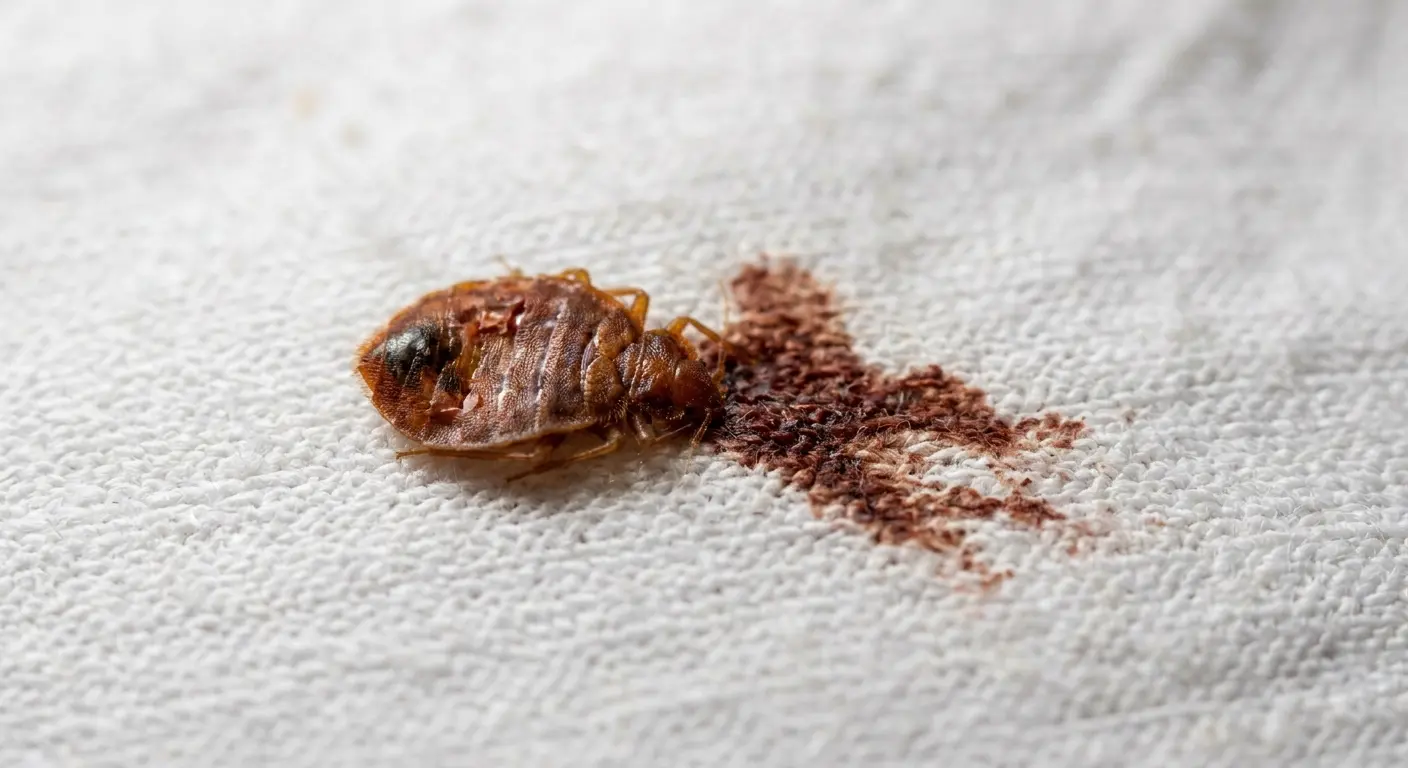
Finding squished bed bugs with blood stains is a strong indicator of an active, feeding infestation. The blood in the bug’s gut came from you, and the fact that it was on your bed means it had recently fed. While a single squished bug might be a fluke, finding them repeatedly means bed bugs are actively feeding on you at night. See our detailed guide on crushed bed bugs for photo comparisons and what blood stains reveal about feeding patterns.
Dried Up Bed Bugs: The Aging Process
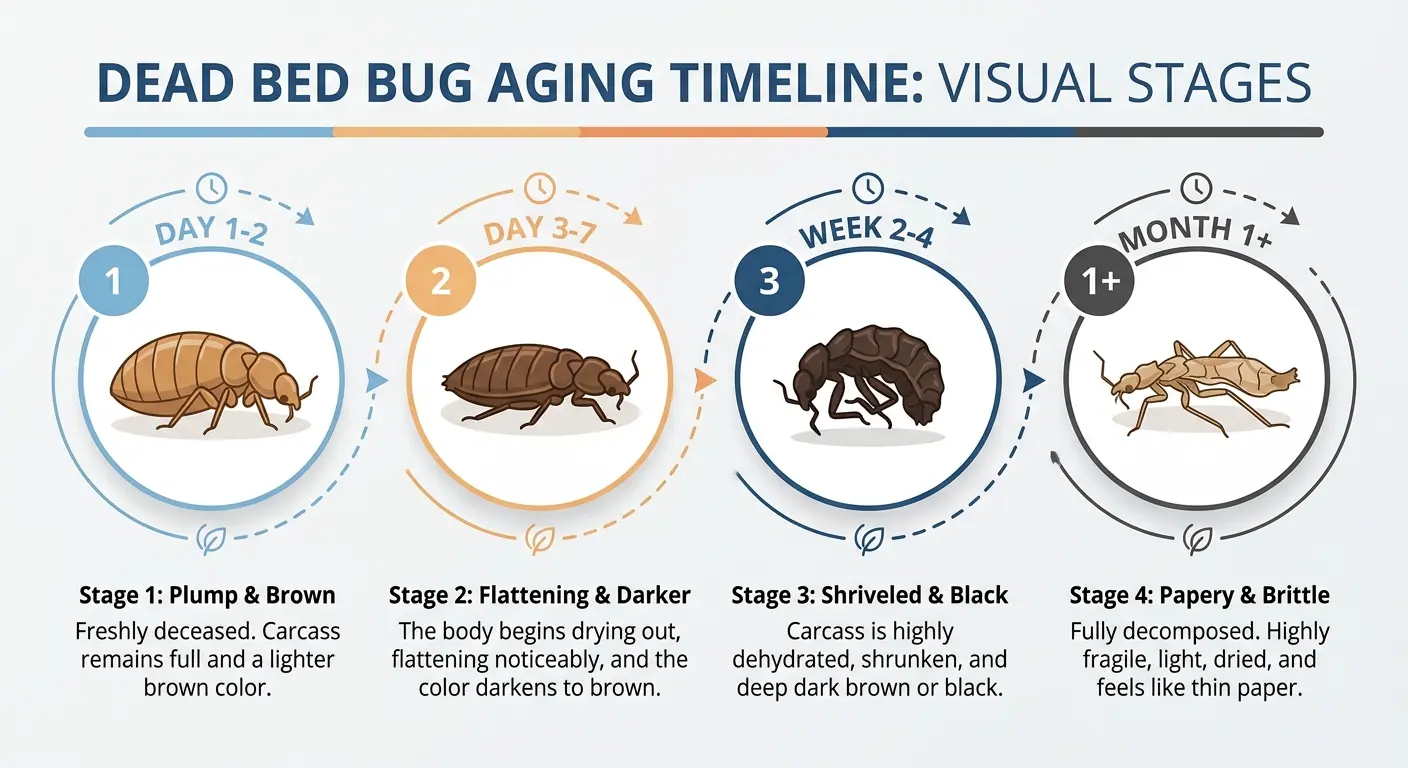
A dried up bed bug is one that died days, weeks, or months ago and has since lost most of its internal moisture. These carcasses look dramatically different from fresh kills — they’re brittle, darkened, and may fall apart when touched.
The aging timeline follows a predictable pattern:
- Day 1-2: Body still retains shape, color similar to live bugs
- Day 3-7: Body begins to flatten, color darkens, legs start curling
- Week 2-4: Body is noticeably shriveled, color is dark brown to black
- Month 1+: Carcass is papery, fragile, may crumble into dust
Most guides say dried bugs mean an old, dead infestation — but that’s not always accurate. A dried bug might be months old, but if you’re also finding fresh droppings, live bugs, or new bites, the infestation is still active. The presence of dried bugs alone doesn’t confirm eradication; it just confirms that some bed bugs died at some point.
How to Confirm a Dead Bed Bug Is Really a Bed Bug
Confirming a dead bed bug requires examining specific morphological features that distinguish it from cockroach nymphs, carpet beetles, booklice, and other common lookalikes (see our bed bug body parts guide and bed bug size and visibility notes). Use a magnifying glass or take a clear photo and zoom in:
- Check the body shape — Bed bugs are oval and flat, not elongated like cockroach nymphs
- Count the legs — Six legs, not eight (that would be a mite or tick)
- Look for wing pads — Present but vestigial; no functional wings
- Examine the antennae — Four segments, not thread-like or clubbed
- Check the color — Rusty brown to dark brown; not black like a carpet beetle
If you’re still uncertain, upload a photo to our AI identification tool — it compares your image against thousands of confirmed specimens to give you a definitive answer in under a minute, or consult our bed bug species and names guide.
What Finding Dead Bed Bugs Actually Means
Finding dead bed bugs means one of four things, and determining which scenario you’re in dictates your next steps:
Scenario 1: You recently treated. Dead bugs appearing within 1-2 weeks of treatment is expected and positive — the insecticide is working. Continue monitoring for 2-3 weeks to ensure no survivors remain.
Scenario 2: You haven’t treated but found dead bugs. This could mean an old infestation that died out naturally (rare), or it could mean bugs are dying from other causes while the infestation continues. Check for live bugs, droppings, and fresh bites.
Scenario 3: You’re finding dead and live bugs together. This is a warning sign. Either your treatment is partially working (killing some bugs but not others), or you’re dealing with insecticide-resistant bed bugs.
Scenario 4: You found a single dead bug. One dead bed bug doesn’t confirm an infestation. It might have hitchhiked on clothing or luggage and died before establishing. But it warrants a thorough inspection of your sleeping area.
Dead Bed Bug Eggs: What They Look Like
Dead bed bug eggs are tiny, white to translucent, and appear as empty, collapsed capsules with a distinctive “hat” at one end where the nymph emerged. Finding empty eggs means nymphs hatched — a sign of active reproduction.
Most guides don’t mention that dead eggs are actually a positive sign during treatment. Insect growth regulators (IGRs) prevent eggs from hatching, so finding collapsed, unhatched eggs after treatment indicates the IGR is working. If you find eggs with the cap still intact and the egg appears dark or shriveled, they likely died before hatching — another treatment success indicator.
Dead Bed Bugs After Treatment
After treatment is applied, expect to see dead bed bugs appearing for 1-3 weeks as residual products continue to work. Follow the site’s recommended monitoring steps and treatment plan to confirm progress. What’s not normal is finding dead bugs beyond 4 weeks after treatment without a corresponding drop in live sightings. This pattern suggests either the treatment missed some harborages, or you’re dealing with resistant bugs.
Guidelines recommend follow-up inspections 2–3 weeks after initial treatment to catch survivors early.
Not sure if those marks are bed bug bites or something else?
Upload a photo to our identifier tool — get a confirmed answer in under 60 seconds.
Dead Bed Bugs vs. Other Dead Insects
Many dead insects get mistaken for bed bugs, especially when they’re dried and discolored. Here’s how to distinguish the most common lookalikes — for more comparisons, see our bed bug vs other insects and bed bug lookalikes resources:
| Feature | Dead Bed Bug | Dead Carpet Beetle | Dead Cockroach Nymph | Dead Booklouse |
|---|---|---|---|---|
| Body shape | Oval, flat | Oval, slightly rounded | Elongated, oval | Narrow, elongated |
| Color | Rusty to dark brown | Brown with banded pattern | Dark brown to black | Pale brown to gray |
| Size | 4-7mm | 2-5mm | 3-6mm | 1-2mm |
| Wings | Wing pads only | None | None | None |
| Antennae | 4 segments | Club-shaped | Thread-like, long | Long, thread-like |
If you’re finding dead insects and can’t confidently identify them, our guide on bugs that look like bed bugs provides detailed comparisons. For visual reference, browse our bed bug photos and appearance library to see confirmed specimens at various life stages.
How to Dispose of Dead Bed Bugs Safely
Dispose of dead bed bugs by sealing them in a plastic bag or container before throwing them away — this prevents any surviving eggs or pathogens from spreading. While dead bed bugs don’t bite, their bodies can trigger allergies in sensitive individuals.
Safe disposal method:
- Wear gloves — Use disposable nitrile or latex gloves
- Use a damp paper towel — Pick up carcasses; dry ones may crumble
- Seal in a plastic bag — Double-bag to prevent escape of any live eggs
- Throw in outdoor trash — Not indoor bins where they might hatch
- Vacuum the area — Use a HEPA vacuum to capture any fragments
Vacuuming is the most effective physical removal method for dead bugs and debris. After vacuuming, immediately seal and dispose of the vacuum bag — don’t leave it in the vacuum where eggs could hatch.
Why You’re Still Finding Dead Bed Bugs After Treatment
Finding dead bed bugs weeks after treatment doesn’t automatically mean failure — but it requires investigation. Common reasons include:
- Delayed mortality: Some insecticides take 7-14 days to kill bed bugs
- Eggs hatching: Eggs survive treatment and hatch 6-10 days later; these new nymphs then die from residual insecticide
- Incomplete coverage: Missed harborages allow some bugs to survive
- Resistance: Pyrethroid-resistant bed bugs survive standard treatments
Research from the University of Kentucky shows that bed bug populations can vary dramatically in susceptibility. If you’re finding dead bugs but also experiencing new bites, the treatment may need reinforcement with a different chemical class or a more thorough application.
Still not sure if it's bed bugs or a different insect?
Our AI tool compares your photo against thousands of confirmed cases instantly.
How to Monitor Dead Bed Bug Activity
Monitoring dead bed bug activity helps you track treatment progress and detect reinfestations early. Set up a simple monitoring system:
- Place interceptors under bed legs — These catch live bugs and collect dead ones
- Check mattress seams weekly — Run a credit card along seams to dislodge debris
- Use a flashlight — Inspect the same harborages each week to compare findings
- Keep a log — Note dates, locations, and whether bugs are dead or alive
- Photograph your finds — Documenting helps you track changes over time
Guidelines recommend continued monitoring for at least 6-8 weeks after the last sign of activity. Bed bugs are resilient, and a single missed female can restart an infestation within weeks.
- Are There Different Species of Bed Bugs? Complete Guide to Bed Bug Types and Names
- Baby Bed Bugs: What Nymphs Look Like and How to Identify Them
- Bed Bug Droppings: How to Identify Black Spots and Stains
- Bed Bug Photos: Close-Up Images to Identify Every Life Stage
- Bed Bug Shells: The Complete Guide to Casings and Shed Skin
- Bed Bug Smell: What Do Bed Bugs Smell Like and Why It Matters
- Bed Bug vs Other Insects: 12 Lookalikes You Need to Identify
- Bugs That Look Like Bed Bugs: 12 Lookalikes You Need to Know
- Do Bed Bugs Have Wings? The Truth About Bed Bug Body Parts
- How Big Are Bed Bugs? Size, Visibility & What You Can See
- What Color Are Bed Bugs? The Complete Color Guide by Life Stage
- Where Do Bed Bugs Hide? The Complete Hiding Spot Guide