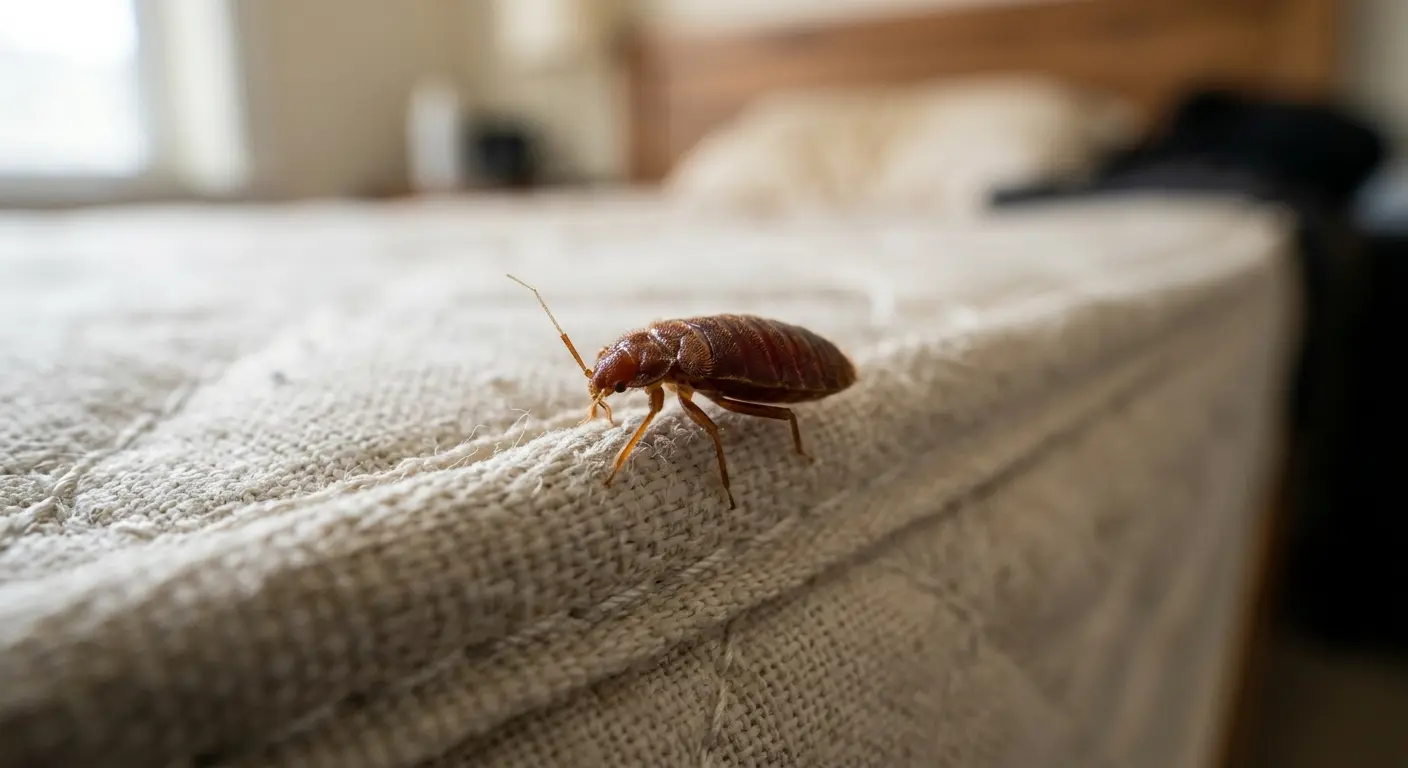
Bed bugs produce a distinct, sweet, musty odor that’s often compared to rotting raspberries or coriander, and this scent intensifies with larger infestations. This smell comes from chemical compounds released through their scent glands, primarily when the insects are disturbed, crushed, or聚集 in large numbers. Understanding this unique olfactory signature can help you detect an infestation early, confirm whether those mysterious marks on your skin are actually bed bug bites (see our bed bug photos and appearance for reference), and monitor the effectiveness of your treatment plan.
Why Do Bed Bugs Smell?
Bed bugs emit pheromones—chemical signals that serve specific biological functions. The primary compounds responsible for the characteristic odor are aldehydes, particularly (E)-2-hexenal and (E)-2-octenal. These chemicals function as alarm pheromones, warning other bed bugs of danger, and as aggregation pheromones, helping the colony stay together in their harborage.
Most guides simply say bed bugs smell “musty” or “sweet”—but the actual chemistry is more revealing. Research published by the National Institutes of Health shows that these same aldehydes are found in coriander leaves and crushed ants, which explains why people compare the scent to different things depending on their sensitivity and the specific compound ratio.
The intensity and character of the smell depend on several factors:
- Infestation size – A few bed bugs produce a barely detectable scent; a mature infestation can make a room noticeably odorous. See more on typical size and visibility at https://bedbugtreatmentkit.com/blog/bed-bug-size-and-visibility/.
- Disturbance level – When you roll over in bed or move furniture, bed bugs release alarm pheromones, intensifying the smell temporarily.
- Individual sensitivity – Up to 50% of people cannot smell bed bugs at all, according to research from pest control industry experts. This genetic variation in olfactory receptors means relying on smell alone is unreliable.
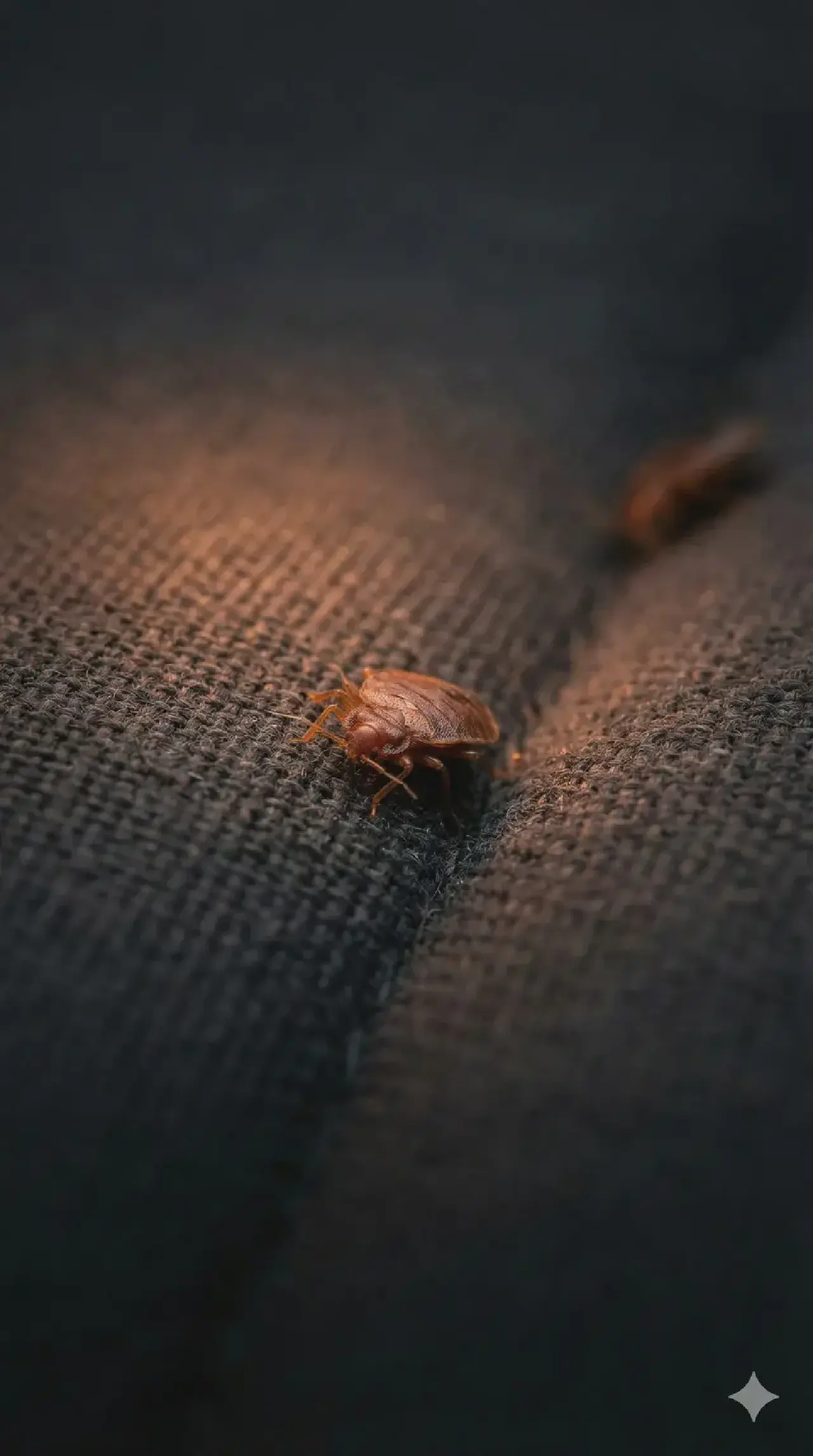
Not sure if those marks are bed bug bites or something else?
Upload a photo to our identifier tool — get a confirmed answer in under 60 seconds.
What Does Bed Bug Smell Actually Smell Like?
People describe bed bug odor in surprisingly different ways, and the comparison often depends on the size of the infestation and individual sensitivity.
Early or Mild Infestation
When bed bugs first establish themselves, the smell is faint and easily overlooked. At this stage the population may include tiny nymphs as well as adults—see baby bed bugs and nymphs for photos and ID tips. Common descriptions include:
- Sweet and musty – Similar to damp cardboard or old books
- Berries – Specifically raspberries or overripe fruit
- Almonds – A slightly nutty, bitter undertone
- Coriander – The fresh, citrusy note of cilantro leaves
Moderate to Severe Infestation
As the colony grows, the accumulated pheromones create a more pronounced, unpleasant odor. Descriptions shift to:
- Rotten raspberries – The sweetness turns cloying and sour
- Kerosene or moldy clothes – A sharp, chemical edge develops
- Dirty locker room – A lingering, musty smell that seems to permeate fabric
When Crushed
The bed bug smell when crushed is significantly stronger than ambient odor. When you squash a bed bug—intentionally or accidentally while sleeping—the scent glands rupture and release a concentrated burst of alarm pheromones. This smell is sharper and more bitter than the general infestation odor, and it can linger on your hands or bedding for hours (see notes on identifying bed bug anatomy at bed bug body parts).
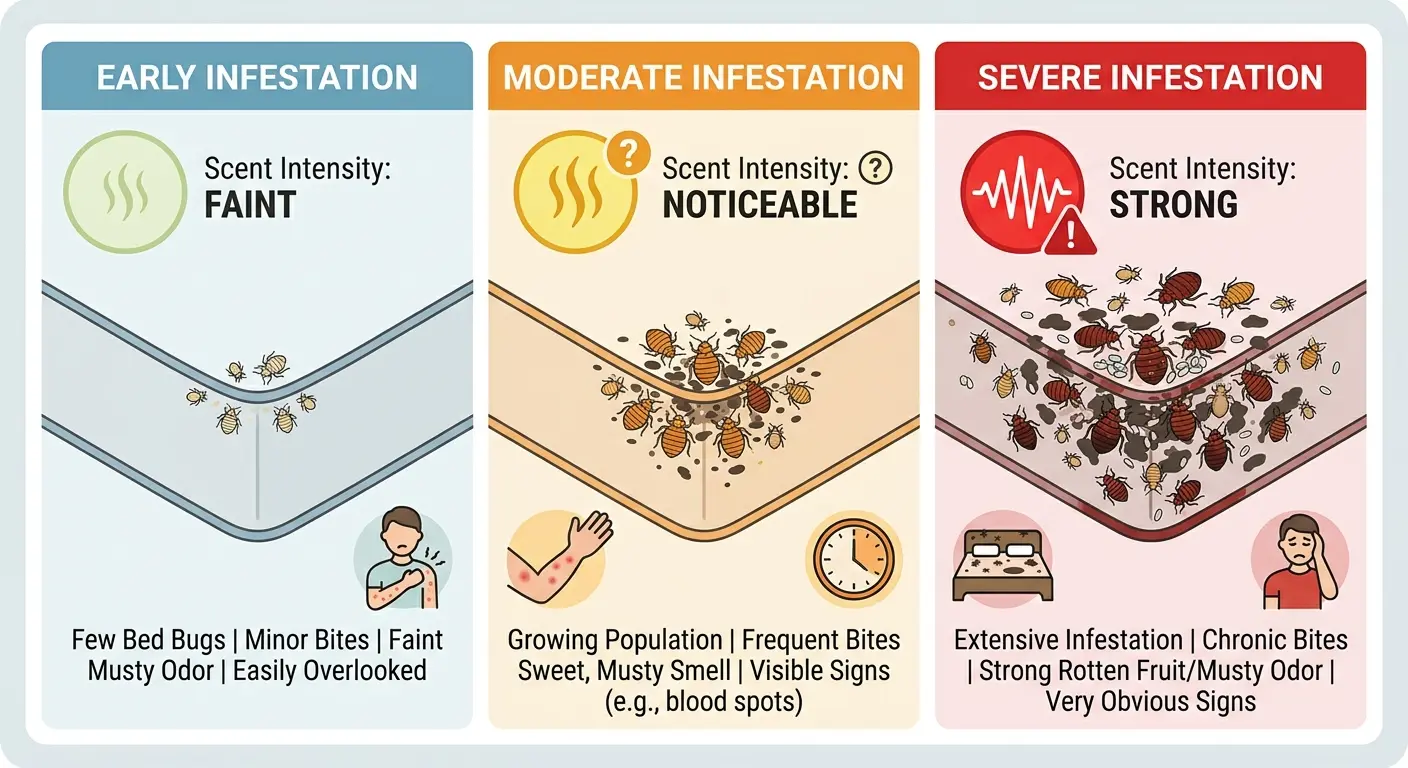
| Infestation Stage | Scent Description | Intensity |
|---|---|---|
| Early (1-10 bugs) | Sweet, musty, faint berries | Barely detectable |
| Moderate (10-50 bugs) | Raspberry-like, musty | Noticeable near harborage |
| Severe (50+ bugs) | Rotten fruit, kerosene, moldy | Lingers in room |
| Crushed bug | Sharp, bitter, concentrated | Strong but localized |
Can Bed Bugs Smell You?
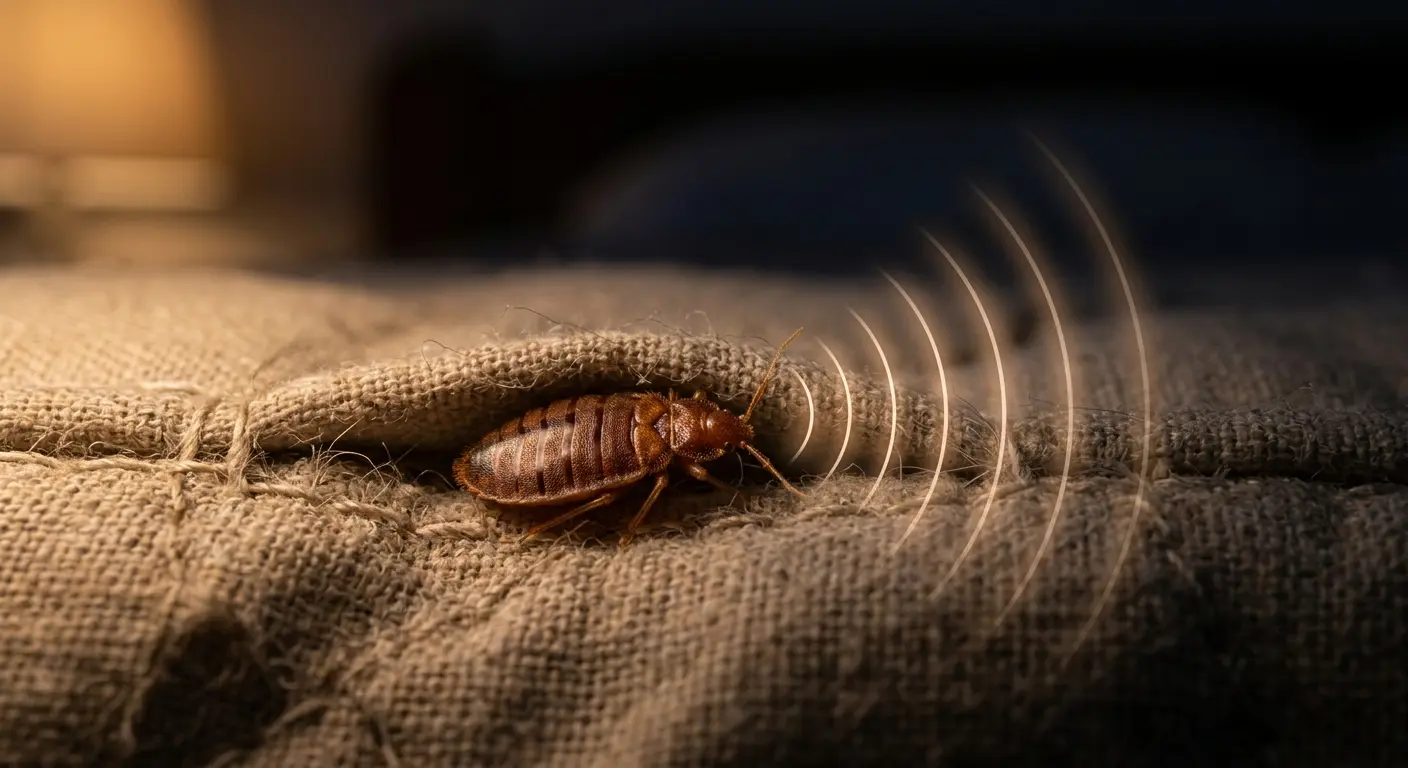
Bed bugs don’t just produce odors—they also have an impressive sense of smell that they use to find their next meal. Bed bugs detect carbon dioxide (CO2) that you exhale, body heat, and chemical cues from your skin. This is why they typically emerge to feed during the night when you’re still and breathing steadily.
Their olfactory system is so refined that bed bugs can locate a sleeping human from up to 20 feet away by following CO2 gradients. This ability is central to their survival strategy and explains why they gravitate toward beds and sleeping areas; read more about common harborage locations at where bed bugs are found. For the short answer on survival without a host, see can bed bugs live without a host.
Most pest control guides focus on how humans detect bed bugs by smell—but the reverse matters just as much. Bed bugs use their sense of smell to avoid treated areas and find untreated hosts, which is why simply spraying a mattress often fails. The bugs detect the chemical residue and simply relocate to another room. For detailed survival timelines, see how long bed bugs can live without a host.
Do Bed Bugs Stink All the Time?
Bed bugs don’t emit a constant, noticeable odor. Their scent glands produce pheromones continuously, but the volume is so small that it’s only detectable when:
- You’re very close – Within a few inches of a harborage site; see how visibility changes with life stage at bed bug size and visibility
- The infestation is large – Hundreds of bugs produce cumulative odor
- They’re disturbed – Moving, crushing, or vacuuming triggers alarm pheromone release
- The room is closed up – Sealed spaces trap the scent, making it more noticeable
If you smell a persistent sweet-musty odor in your bedroom but can’t identify the source, it’s worth investigating for bed bugs—especially if you’re also finding unexplained bites or dark spotting on your mattress. The bed bug smell is often the first clue that leads to a full inspection. For risks involving vacant homes, luggage, and clothing, see how long bed bugs live in empty homes, luggage, and clothing.
Still not sure if it's bed bugs or a different insect?
Our AI tool compares your photo against thousands of confirmed cases instantly.
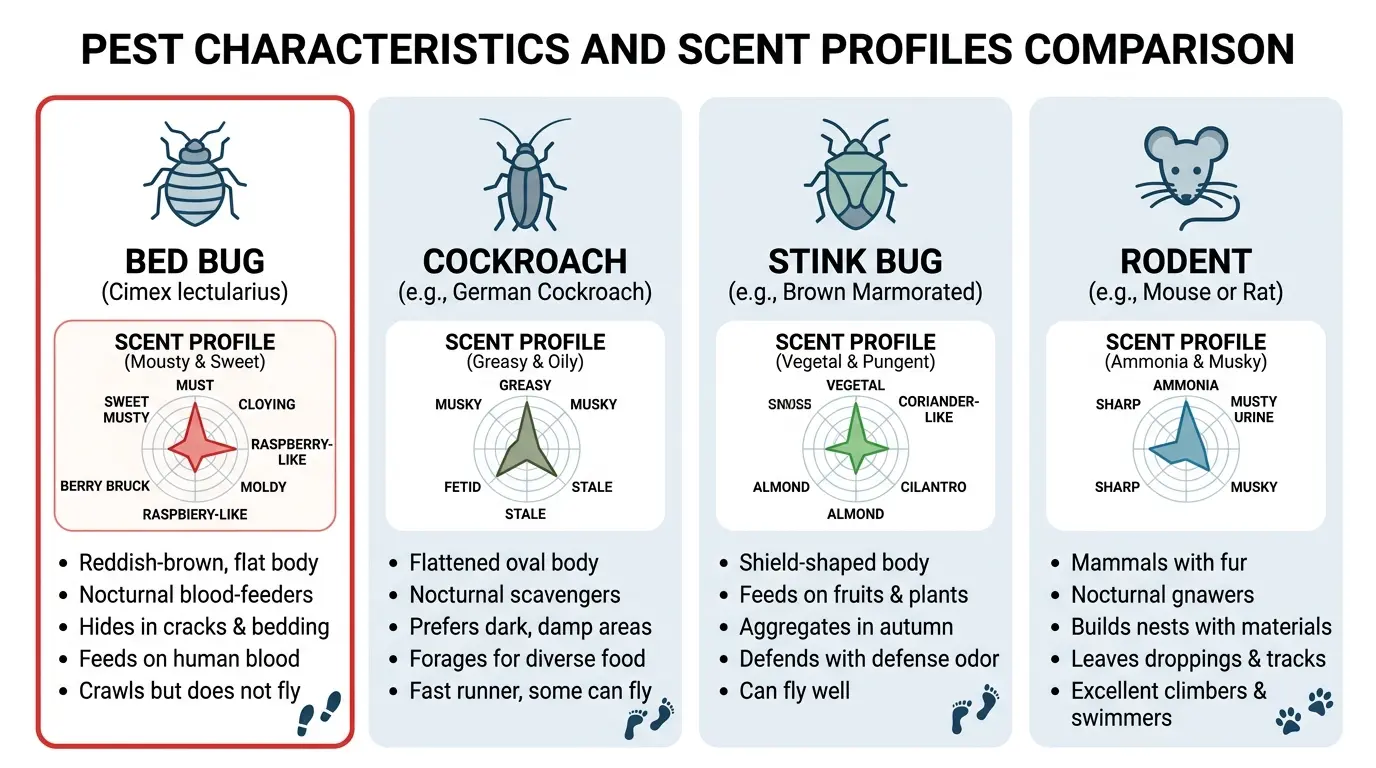
Bed Bug Smell vs. Other Pest Odors
The bed bug odor is often confused with other household smells, which can lead to misdiagnosis and delayed treatment. Here’s how to distinguish bed bug scent from similar odors:
For visual cues like color and spotting that help confirm whether the scent aligns with bed bugs, see our bed bug color guide.
| Pest/Odor Source | Scent Profile | Key Difference |
|---|---|---|
| Bed bugs | Sweet, musty, berries/coriander | Sweetness is distinctive |
| Cockroaches | Greasy, oily, unpleasant | More rancid, less sweet |
| Rodents | Ammonia-like, musky | Sharp, urinous quality |
| Stink bugs | Green, cilantro-like | More vegetal, less sweet |
| Mildew | Musty, damp | Lacks sweet berry note |
The sweetness is the key differentiator. If you smell something musty but also noticeably sweet—like overripe fruit—bed bugs are more likely than other pests. For help distinguishing bed bugs from lookalike species and other household insects, see bed bug lookalikes and bed bug vs other insects. However, relying on smell alone is risky given how many people can’t detect it.
How to Use Smell as Part of Your Detection Strategy
Scent detection works best when combined with other identification methods. Here’s a practical approach:
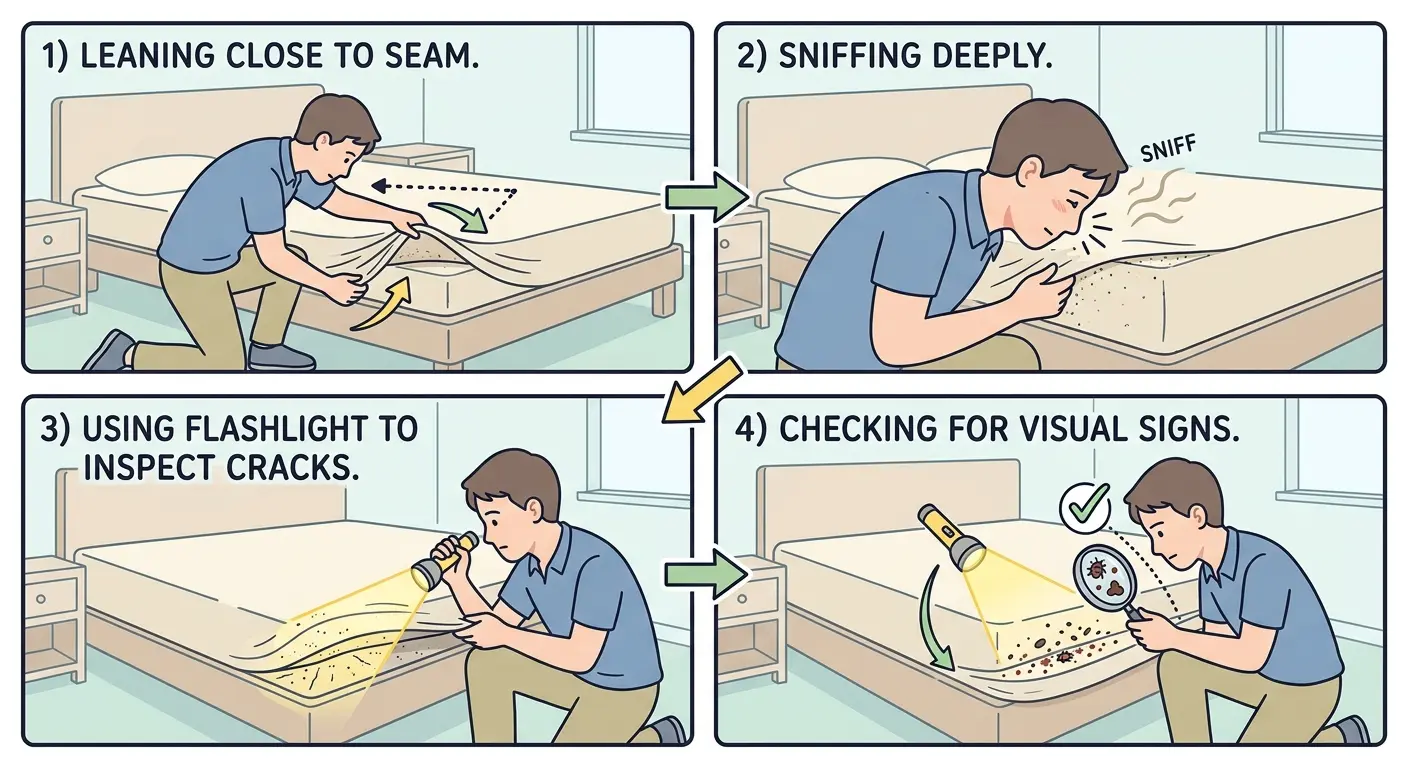
1. Perform a “Smell Test” in Suspected Areas
- Press your nose close to mattress seams, box spring edges, and headboard cracks
- Take a slow, deep breath and note any sweet-musty scent
- Move bedding and check underneath—odor concentrates near harborage sites
2. Look for Visual Confirmation
If you detect a suspicious odor, immediately look for other signs of infestation. Check for:
- Shed exoskeletons near seams
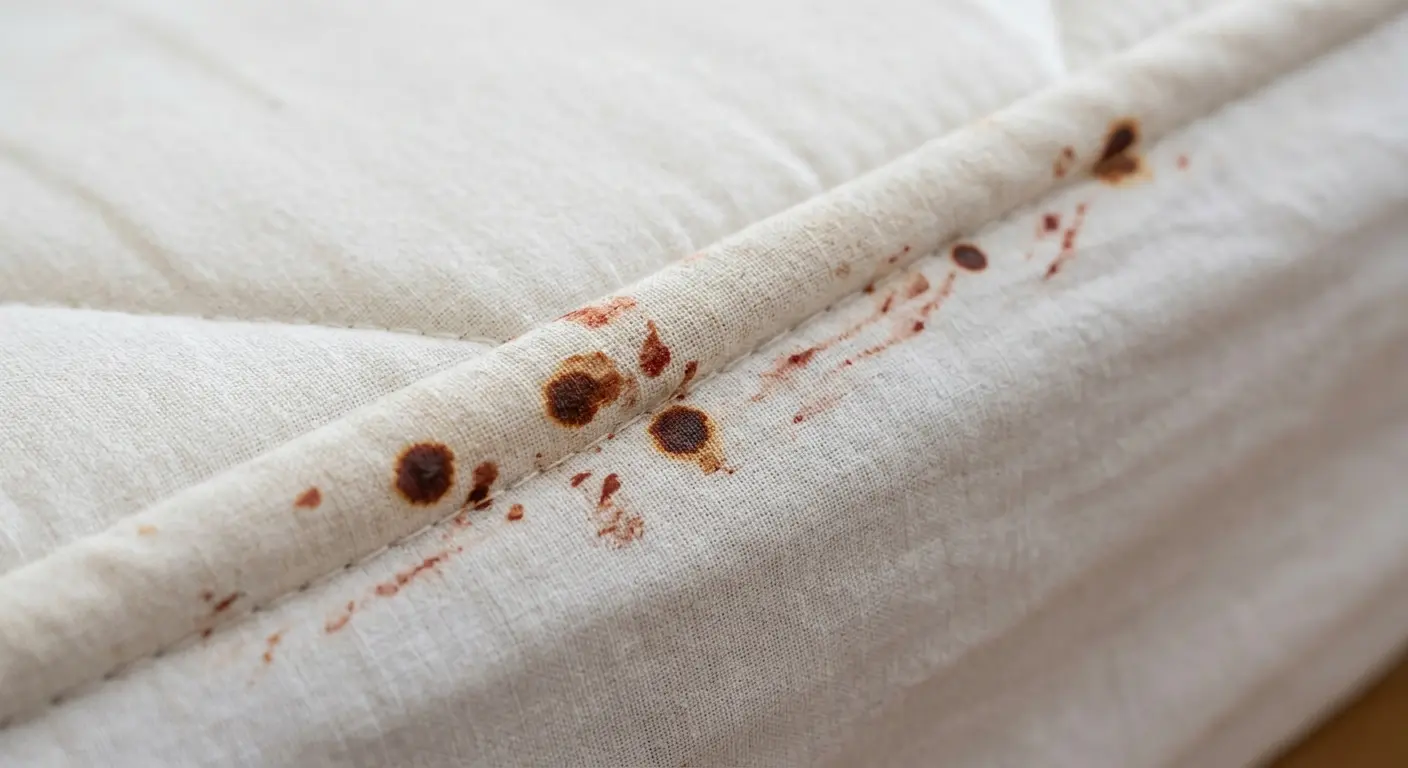
- Dark spots or streaks – Fecal staining on mattress edges
- Live bugs – Especially in folds and crevices (see photos at bed bug photos and appearance)
- Bed bug tracks – Small blood spots or rust-colored marks on sheets
3. Consider Your Personal Sensitivity
Remember that up to half of all people cannot smell bed bugs. If you suspect an infestation but can’t detect an odor, ask someone else to check, or rely on visual inspection and monitoring devices.
4. Use Smell to Monitor Treatment Progress
After you follow the site’s recommended treatment plan or use the recommended treatment kit, noticeable odor should diminish as treatments and cleaning steps are followed. If the odor persists or returns, it may indicate surviving bugs or reinfestation. The bed bug sounds page covers another detection method that works even if you can’t smell them.
Most guides recommend using smell as a primary detection tool—but this is problematic for the significant percentage of people who can’t detect the odor. The Centers for Disease Control and Prevention lists odor as one sign of infestation, but visual confirmation remains the gold standard for diagnosis.
Need help identifying what you found?
Upload a photo and get instant confirmation from our AI identifier.
When to Escalate Treatment Using Our Plans and Kits
If you detect a bed bug odor but can’t find the source, or if the infestation appears extensive, use our photo identifier and follow the recommended advanced treatment plan and kit. Signs that you may need to escalate to a more comprehensive plan include:
- The smell persists after thorough cleaning and initial treatments
- You’re finding bed bugs in multiple rooms
- You’ve attempted DIY treatment without success
- You’re experiencing allergic reactions to bites
Use our inspection checklist and photo identifier to locate harborage sites and then follow the platform’s recommended treatment plans and kits to address both the bugs and the odor they leave behind.
Ready to solve your bed bug problem for good?
Get your personalized treatment plan in minutes — no guesswork required.
Why Does the Smell Linger After Treatment?
Many people report that the bed bug smell persists for weeks after extermination, even when all visible bugs are gone. This happens because:
- Pheromones are sticky – The chemical compounds bind to fabric, wood, and upholstery
- Dead bugs still smell – Decomposing bodies release additional odor compounds (see dead bed bugs for more)
- Fecal matter retains scent – Bed bug droppings continue emitting odor after the bugs are gone
If you’ve confirmed bed bugs and need to understand what treatment actually requires, upload a photo to our identifier tool—it will help you determine the scope of your infestation and what steps to take next.
Confirmed bed bugs — what do you actually need to treat them?
Upload one photo and our tool builds your exact treatment kit in under two minutes.
The Science Behind the Smell
Understanding the chemical basis of bed bug odor helps explain why it varies so much between situations. The two primary compounds are:
- (E)-2-hexenal – A green, leafy aldehyde also found in many fruits and vegetables
- (E)-2-octenal – A fatty, citrus-like aldehyde with a musty character
Together, these create the characteristic “sweet-musty” profile. Interestingly, the same compounds serve as defensive chemicals in many other insects, which is why crushed bed bugs smell similar to crushed stink bugs or ants.
Research from entomologists at major universities has identified additional volatile compounds that contribute to the odor, including various ketones and alcohols. The exact ratio of these compounds varies between populations and species (see bed bug species and names), which may explain why some people describe the smell as “berry-like” while others insist it’s “coriander-like.”
When Smell Alone Isn’t Enough
Relying exclusively on your nose to detect bed bugs is risky for several reasons:
- Sensitivity varies – Genetic differences mean many people simply can’t detect the odor
- Infestation size matters – Small infestations produce negligible scent
- Other odors mask it – Perfumes, cleaning products, and air fresheners can hide the smell
- False positives exist – Other household odors can mimic the bed bug scent profile
If you’re uncertain whether you have bed bugs, the most reliable approach is visual inspection combined with monitoring devices. Our bed bug identification covers all the signs you should look for, from bites to droppings to shed skins.
How to Eliminate Bed Bug Odor
Once you’ve confirmed an infestation and begun treatment, you’ll want to address the lingering smell. Here’s what works:
- Wash all bedding in hot water – Water above 120°F kills bed bugs and removes pheromones
- Vacuum thoroughly – Pay special attention to mattress seams and carpet edges
- Use enzyme cleaners – These break down the protein-based pheromone compounds
- Ventilate the room – Fresh air helps disperse volatile organic compounds
- Consider professional cleaning – Steam cleaning can penetrate fabric and neutralize odors
Most guides recommend simply washing everything and moving on—but the pheromones are surprisingly persistent. Enzyme-based cleaners specifically formulated for pet odors work well because they target the same class of chemical compounds.
When to Seek Professional Help
If you detect a bed bug odor but can’t find the source, or if the infestation appears extensive, start with our photo identifier and inspection checklist to locate harborage sites. Then follow the platform’s recommended advanced treatment plans and kits, which include step-by-step inspection steps, monitoring-device placement, and escalation checklists for widespread infestations.
Our recommended advanced treatment plans and kits include thorough inspection steps, identification of harborage sites, and targeted treatments designed to address both the bugs and the odors they leave behind.
Ready to solve your bed bug problem for good?
Get your personalized treatment plan in minutes — no guesswork required.
What does a bed bug smell like?
Can everyone smell bed bugs?
Why do I smell bed bugs but can't find them?
Do bed bugs smell like stink bugs?
Can bed bugs smell blood?
How long does bed bug smell last after treatment?
Is bed bug smell harmful?
Final Thoughts: Using All Your Senses for Detection
The bed bug smell is a useful detection tool, but it’s not a reliable standalone method. Combining scent detection with visual inspection, monitoring devices, and awareness of bite patterns gives you the best chance of catching an infestation early—when treatment is simplest and most effective.
If you’ve noticed a suspicious odor, found unexplained bites, or spotted any other signs of bed bugs, don’t wait. Early intervention is critical to preventing a small problem from becoming a widespread infestation. Our bed bug identification covers every sign you need to know, and our AI photo identification tool can give you confirmation in under a minute.
Remember: bed bugs are masters of hiding, but they can’t hide their smell—if you know what to listen for. And if you can’t smell them, that’s exactly why you need a multi-sensory approach to detection.
- Are There Different Species of Bed Bugs? Complete Guide to Bed Bug Types and Names
- Baby Bed Bugs: What Nymphs Look Like and How to Identify Them
- Bed Bug Droppings: How to Identify Black Spots and Stains
- Bed Bug Photos: Close-Up Images to Identify Every Life Stage
- Bed Bug Shells: The Complete Guide to Casings and Shed Skin
- Bed Bug vs Other Insects: 12 Lookalikes You Need to Identify
- Bugs That Look Like Bed Bugs: 12 Lookalikes You Need to Know
- Dead Bed Bugs: How to Identify Carcasses, Husks & What They Really Mean
- Do Bed Bugs Have Wings? The Truth About Bed Bug Body Parts
- How Big Are Bed Bugs? Size, Visibility & What You Can See
- What Color Are Bed Bugs? The Complete Color Guide by Life Stage
- Where Do Bed Bugs Hide? The Complete Hiding Spot Guide