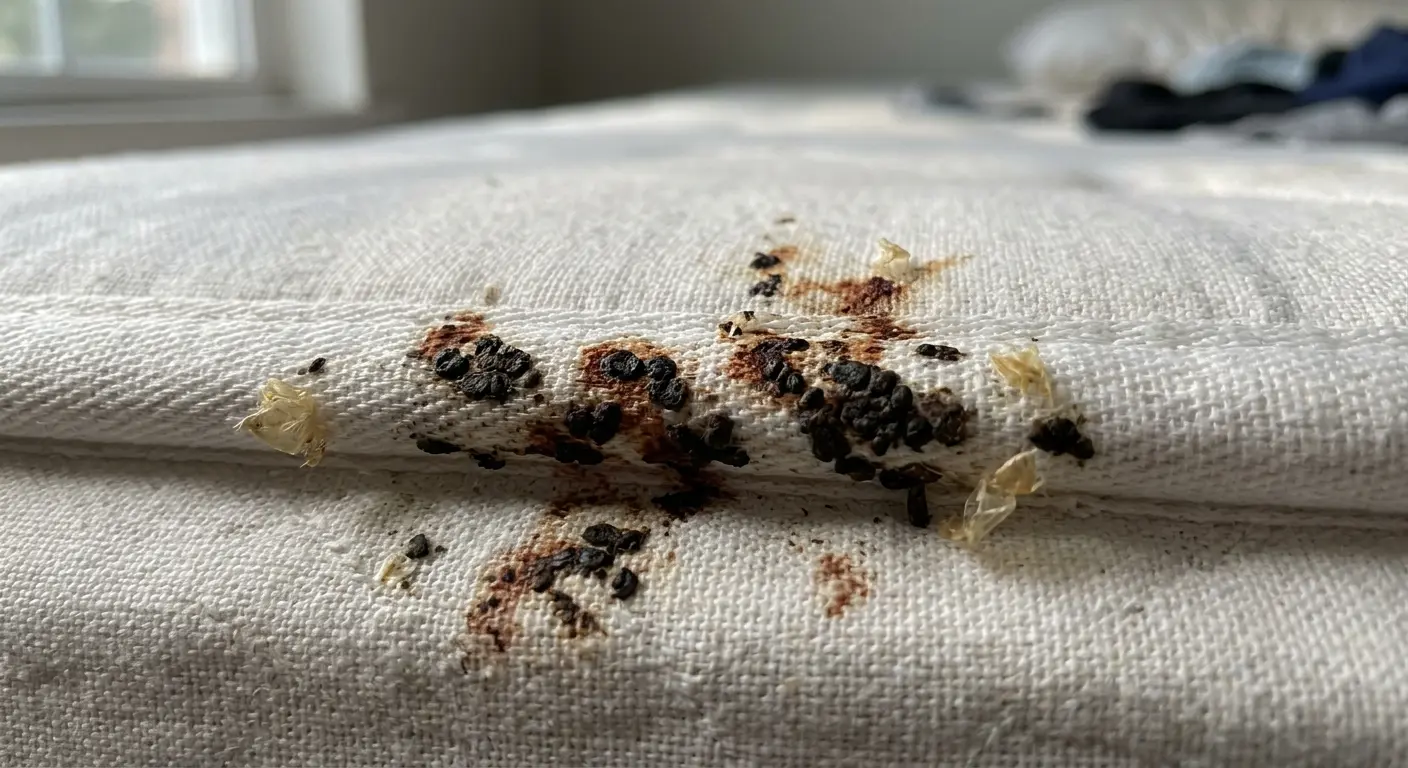
Bed bug tracks are the telltale trails of fecal spots, blood smears, and shed skins that bed bugs leave behind as they travel between feeding sites and their hiding places. These tracks are one of the most reliable signs of an active infestation — and learning to spot them can help you confirm bed bugs before the problem escalates. Unlike other insects that leave random droppings, bed bug tracks follow predictable routes along mattress seams, baseboards, and furniture edges.
What Do Bed Bug Tracks Look Like?
Bed bug tracks appear as clusters of dark brown or black dots — digested blood excreted after feeding. According to KQED Science, these fecal spots are typically the size of a pen tip and may smear if wiped with a damp cloth. You’ll also see rust-colored blood stains where engorged bugs were crushed, plus pale yellow shed skins from nymphs molting.
The tracks themselves follow a linear pattern. Bed bugs are creatures of habit, using the same pathways between their harborages and your skin each night. Check mattress piping, box spring edges, headboard cracks, and the seams of upholstered furniture for these distinctive trails.
Bed Bug Tracks vs. Other Insect Trails
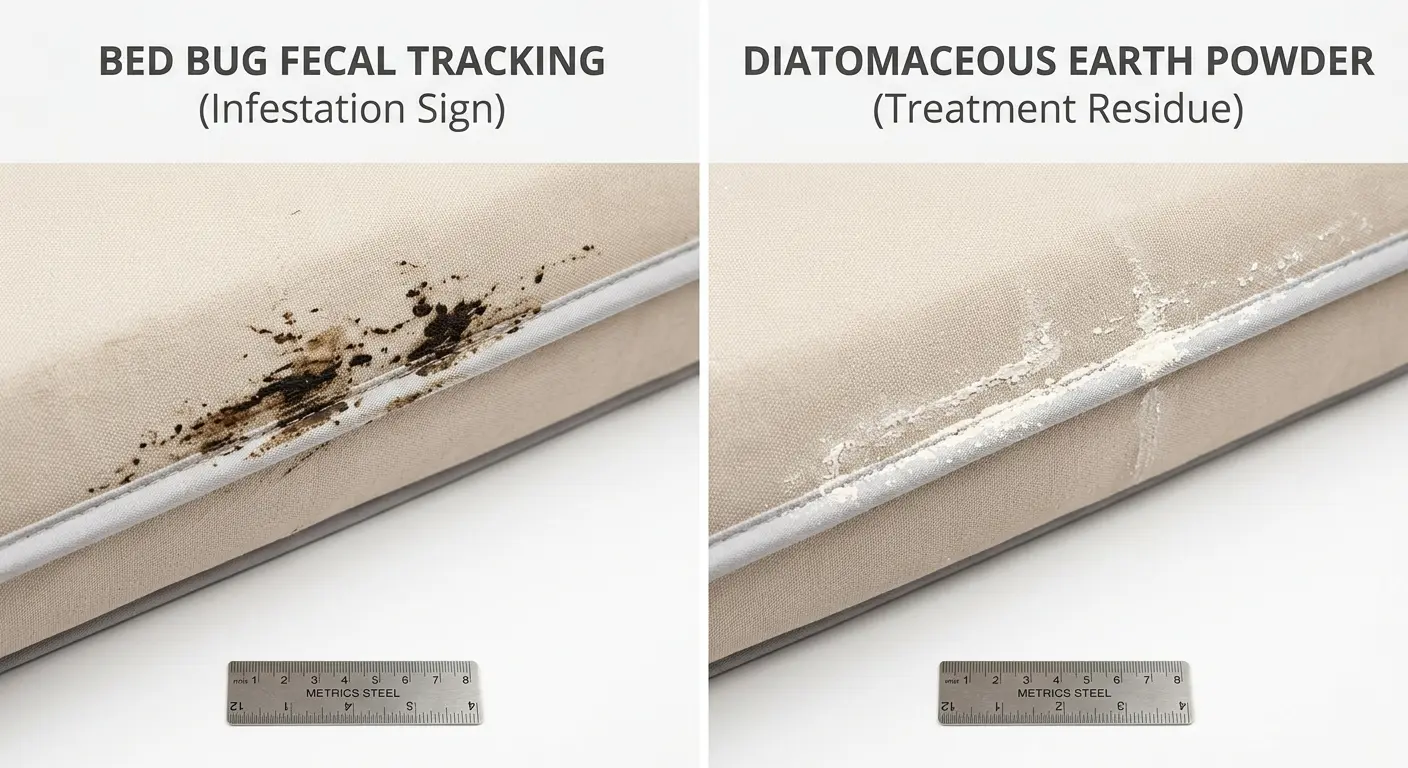
Most guides say any dark trail means bed bugs — but that’s not always accurate. Diatomaceous earth (DE) powder can create misleading tracks that look remarkably similar to bed bug fecal trails. One Reddit user reported finding thick, trail-like markings after applying DE, only to realize the powder itself was being displaced by other insects. The key difference: bed bug tracks are composed of absorbed, digested blood that won’t brush away like powder.
Another distinction involves location. Cockroach droppings resemble pepper flakes and scatter randomly, while bed bug tracks follow deliberate, repeated routes. If you see tracks leading from a door or window, they may belong to outdoor insects — bed bugs rarely enter from outside, preferring to hitchhike on luggage or clothing.
Where to Find Bed Bug Tracks in Your Home
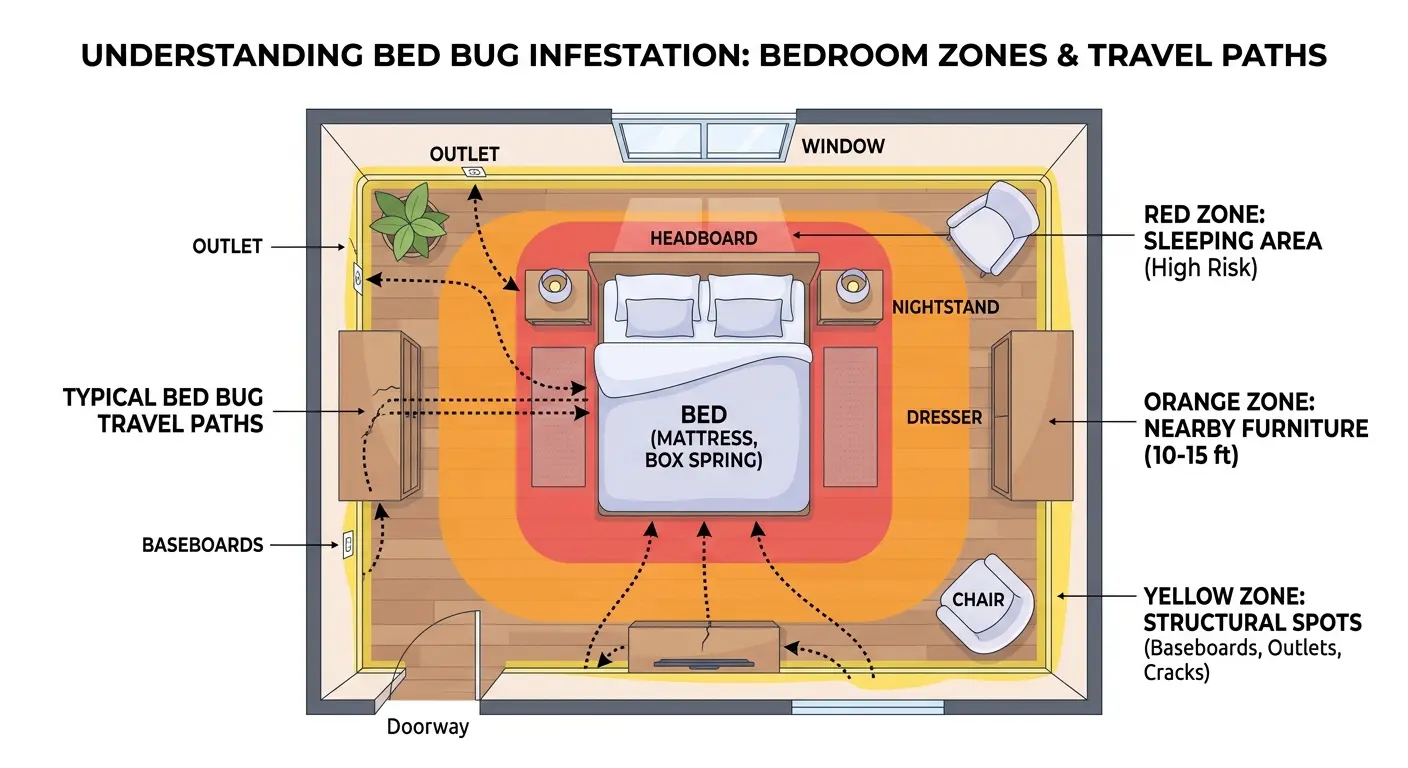
Bed bug tracks concentrate in three zones: your sleeping area, nearby furniture, and structural hiding spots. Start with your mattress — inspect the piping, tufts, and folds. Then examine box springs, bed frames, and nightstands. Move outward to couches, chairs, and curtains within 10-15 feet of your bed.
Most guides focus only on the bedroom — but research from pest control professionals shows that established infestations spread to adjacent rooms within weeks. Check baseboards, electrical outlets, and picture frames along the path from your bed to shared walls. This is especially important in apartments where bugs may travel between units.
Confirming Bed Bug Tracks
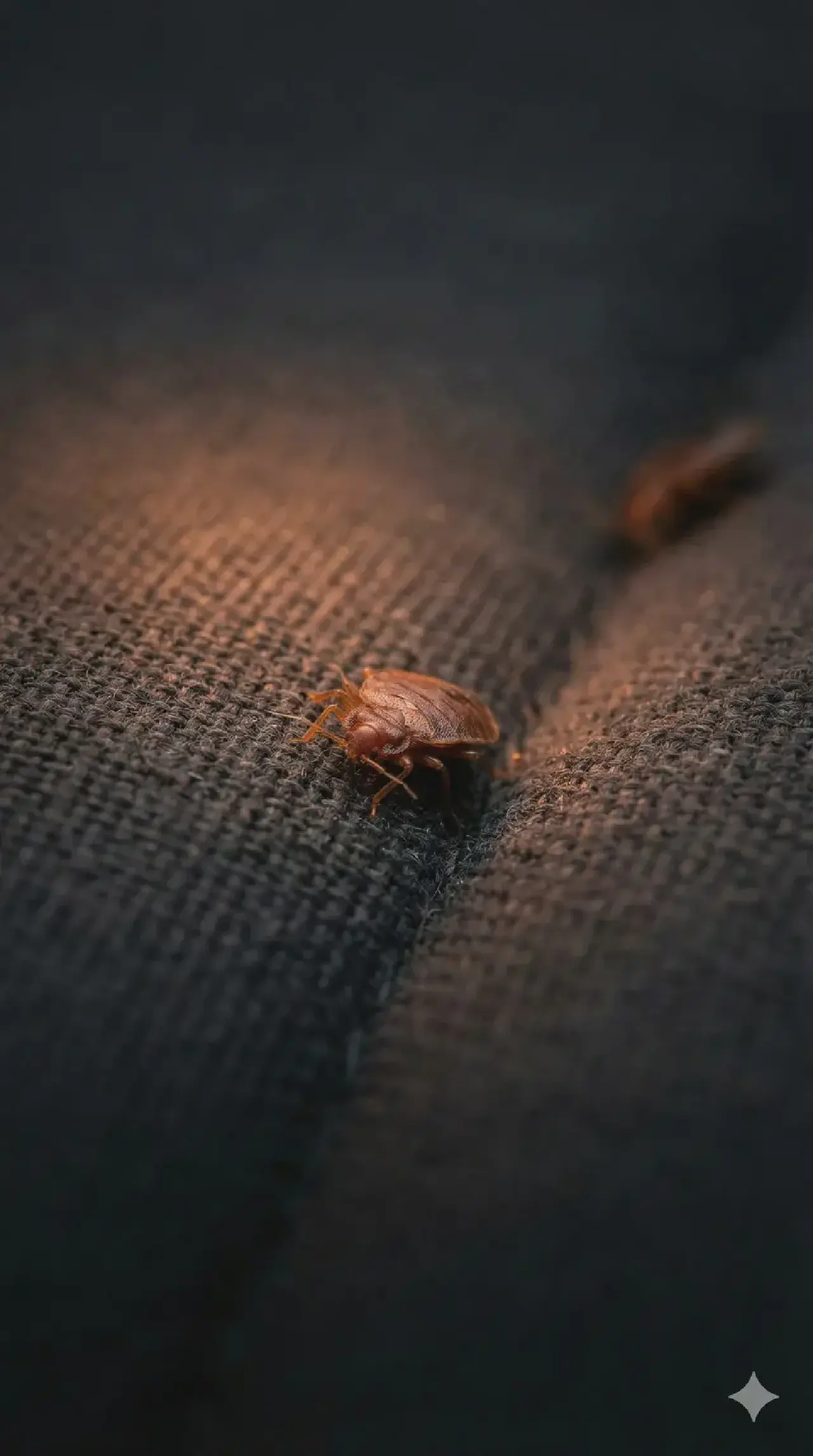
If you’ve found suspicious markings, confirm before treating. Dampen a white cloth and wipe the spots — bed bug feces will leave a rust-colored smear. Live bugs, eggs, or shed skins nearby seal the identification. For a definitive answer, upload a photo of your tracks to our AI identification tool — it compares your image against thousands of confirmed bed bug cases.
Not sure if those marks are bed bug bites or something else?
Upload a photo to our identifier tool — get a confirmed answer in under 60 seconds.
What Bed Bug Tracks Tell You About Infestation Size
The density and spread of tracks reveal how long bed bugs have been active. A few isolated spots near your pillow suggest a recent introduction. Widespread tracks across multiple rooms indicate an established colony — potentially hundreds of bugs. According to entomologists, a single female can lay 200-500 eggs in her lifetime, so early detection is critical.
After treatment or DIY efforts, monitor for new tracks weekly. Use our site’s monitoring checklist and, if you uploaded a photo to our AI tool, re-check the same locations and compare images to confirm progress. Fresh fecal spots mean surviving bugs are still active. No new tracks after 6-8 weeks typically indicates elimination.
Final Steps After Confirming Tracks
Once you’ve confirmed bed bug tracks, act immediately. Wash all bedding in hot water (minimum 120°F) and dry on high heat. Vacuum thoroughly, then dispose of the bag outside. Consider mattress encasements to trap any remaining bugs. For severe infestations, professional heat treatment remains the most effective option — it kills all life stages in a single session.
Still not sure if it's bed bugs or a different insect?
Our AI tool compares your photo against thousands of confirmed cases instantly.
FAQ
What do bed bug tracks look like on sheets?
How long do bed bug tracks remain visible?
Can you see bed bug tracks on dark furniture?
Do bed bug tracks mean an active infestation?
How far do bed bug tracks extend from hiding spots?
When to Escalate Treatment
If tracks appear in multiple rooms, you’ve likely had bed bugs for several months. Use our inspection tool and treatment-kit builder to get a tailored plan and cost estimate based on infestation size and home details. These on-site resources can help you decide whether to pursue more intensive measures and which treatment path matches your situation.
Confirmed bed bugs — what do you actually need to treat them?
Upload one photo and our tool builds your exact treatment kit in under two minutes.
For more information on bed bug identification and behavior, explore our guide to bed bug behavior and identification, or learn about related signs like bed bug smell and bed bug sounds to complete your understanding of these pests.