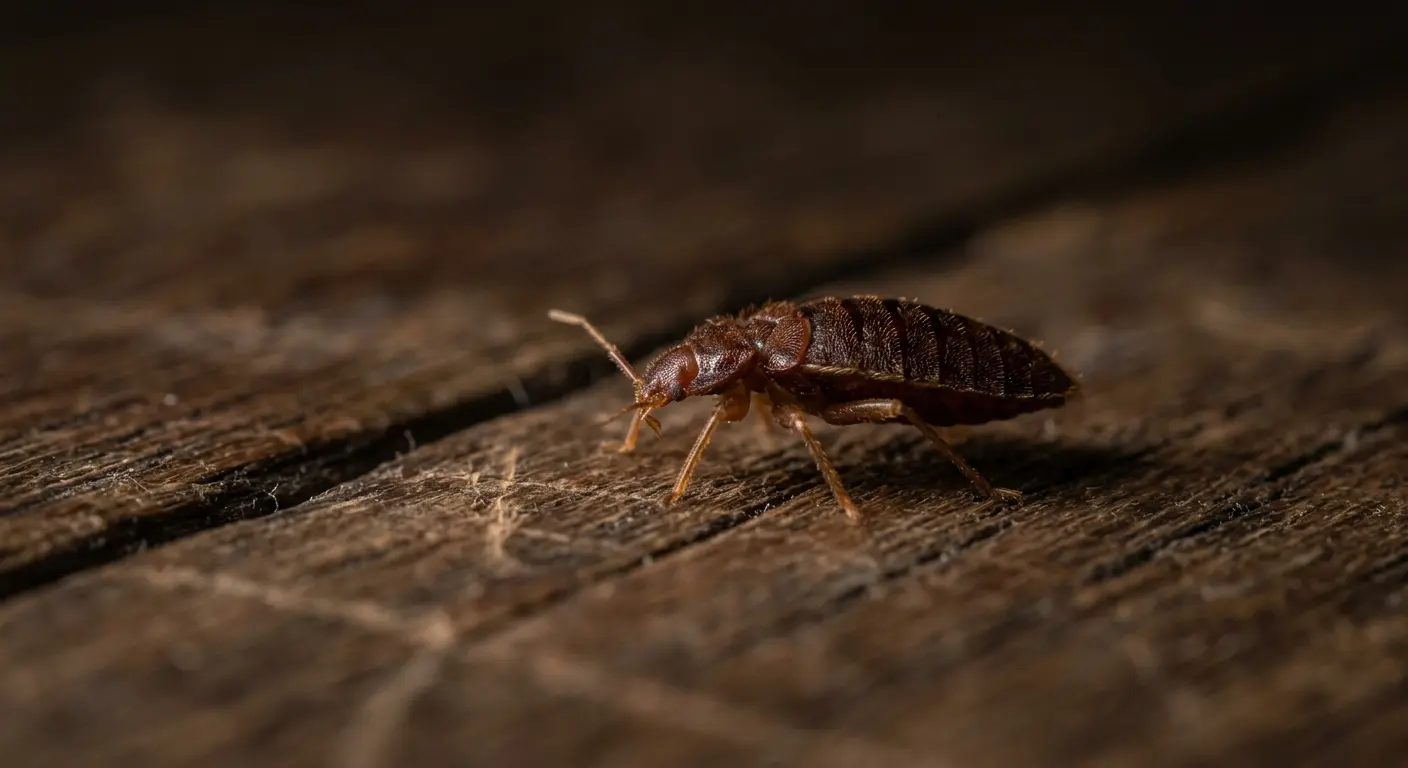
Do bed bugs make noise? Yes, but not in the way you might think — bed bugs don’t buzz, chirp, or squeak like other pests. The sounds they produce are extremely faint tapping or scraping noises that are nearly impossible to hear without specialized equipment or a very quiet room.
What Sounds Do Bed Bugs Actually Make?
Bed bugs lack the physical structures needed to produce audible sounds like crickets or mosquitoes. They don’t have wings, so they can’t buzz. They also don’t have the stridulation organs (the ridged body parts that crickets and some beetles rub together) that create recognizable chirping sounds.
The noises you might hear from bed bugs are limited to:
- Tapping or clicking — when they move across hard surfaces like wood or tile
- Scraping — as their bodies brush against fabric or mattress seams
- A faint crunch — only if you step on a large adult on a hard floor, as reported by pest control forums
Most guides focus on these sounds as detection methods — but here’s what they don’t tell you: acoustic detection devices used by pest control professionals show that bed bug activity sounds are typically below the threshold of human hearing. The Environmental Protection Agency notes that bed bug detection relies primarily on visual inspection and interceptors, not sound.
Why You Probably Won’t Hear Bed Bugs at Night
If you’re lying in bed wondering whether that faint noise is bed bugs, the answer is almost certainly no. Bed bugs are stealth feeders that prefer to move slowly and quietly. Their movement is deliberate, not scurrying — which means even on hard floors, the sound they produce is minimal.
What you’re more likely hearing at night:
- House settling and creaking
- Rodents or other pests in walls
- Electrical humming from appliances
- Your own heartbeat or blood flow
The real issue isn’t hearing bed bugs — it’s seeing the signs they leave behind. If you’re concerned about a possible infestation, check for bite marks, blood spots on sheets, and dark fecal stains. For a complete overview of what to look for, check our guide on bed bug behavior and identification.
How Bed Bug Sounds Compare to Other Pests
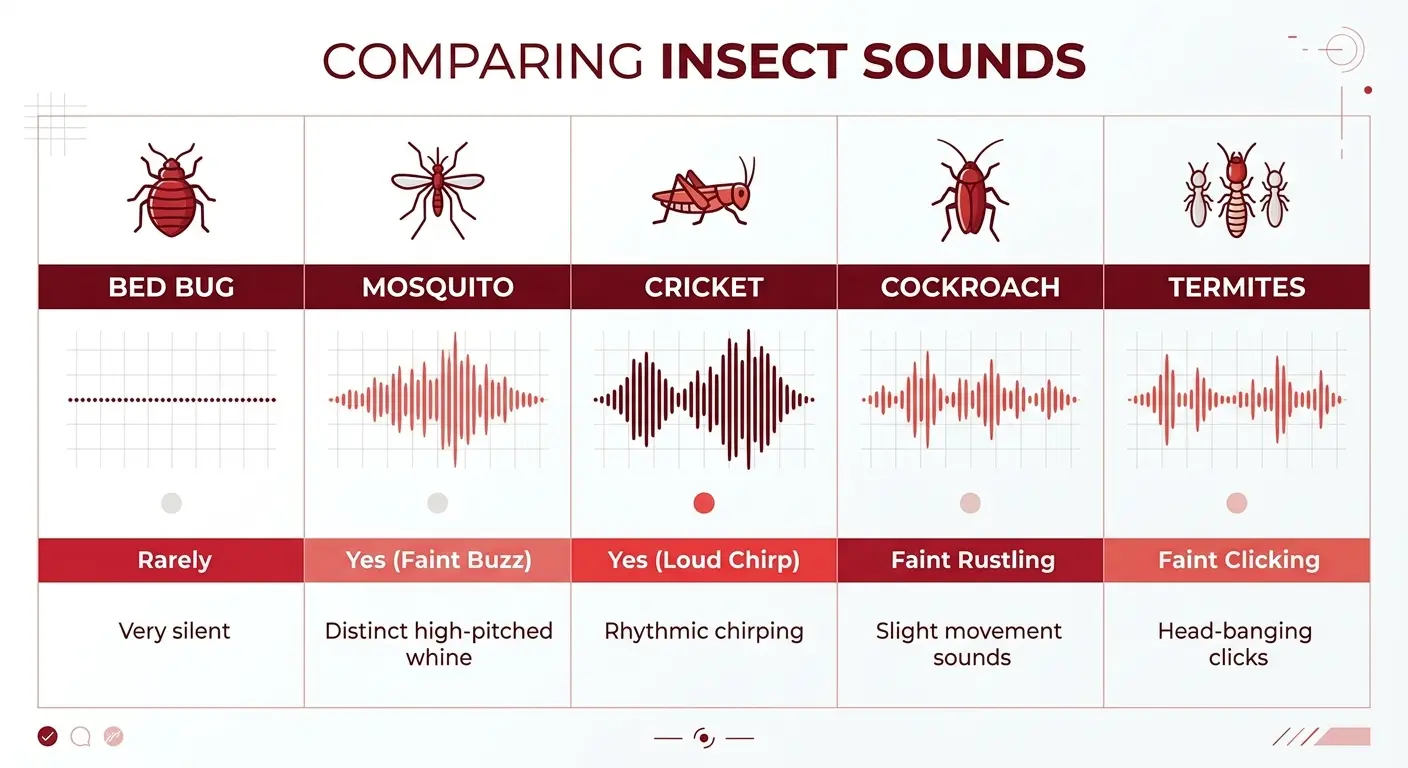
| Pest | Sound | Can You Hear It? |
|---|---|---|
| Bed bugs | Tapping, scraping | Rarely — usually requires equipment |
| Mosquitoes | Buzzing | Yes — distinctive whine near ears |
| Crickets | Chirping | Yes — loud and repetitive |
| Cockroaches | Scurrying | Sometimes — on hard surfaces |
| Termites | Clicking in walls | Sometimes — but often mistaken for other noises |
What to Do If You Suspect Bed Bugs
Don’t wait for sounds — bed bugs are silent invaders that multiply quickly. If you’ve woken up with unexplained bites or spotted any physical evidence, act immediately. Most people discover bed bugs through bites or stains, not noise, and by that point the infestation may already be established. While you might notice bed bug tracks or other physical evidence, sound alone is never a reliable indicator.
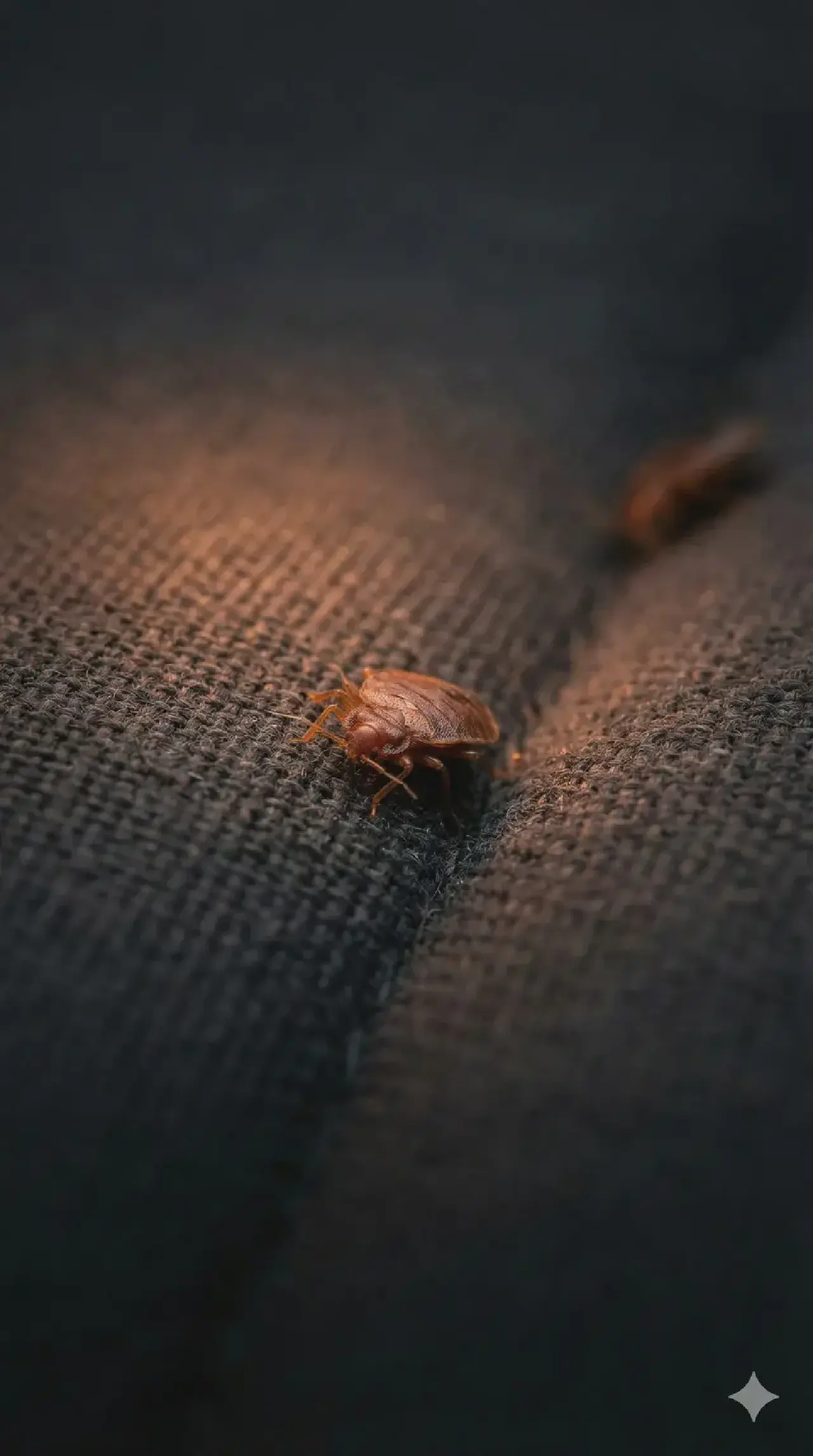
Not sure if those marks are bed bug bites or something else?
Upload a photo to our identifier tool — get a confirmed answer in under 60 seconds.
The Truth About Bed Bug Acoustic Detection
Here’s a non-obvious insight that most guides miss: while bed bugs don’t make sounds you can hear, researchers have developed acoustic sensors that can detect their movement. These devices amplify the tiny vibrations bed bugs create when walking or feeding. However, these are research and professional tools — not something you can use at home with your phone.
Another surprising fact: some species of bed bugs in laboratory settings have been recorded making distress sounds when threatened, but this behavior hasn’t been observed in common household infestations. The bottom line remains — sound is not a reliable indicator of bed bugs.
Frequently Asked Questions
Do bed bugs make a chirping sound?
Can you hear bed bugs crawling on your bed?
Do bed bugs make noise at night?
How do I know if I have bed bugs if I can't hear them?
Still not sure if it's bed bugs or a different insect?
Our AI tool compares your photo against thousands of confirmed cases instantly.
Bottom Line: Don’t Listen for Bed Bugs
Bed bugs are silent pests. If you’re hearing noises at night, it’s almost certainly something else. Focus your attention on visual inspection — checking mattress seams, headboards, and baseboards for the telltale signs of an infestation. If you find evidence or wake up with suspicious bites, the earlier you identify the problem, the easier it is to treat.