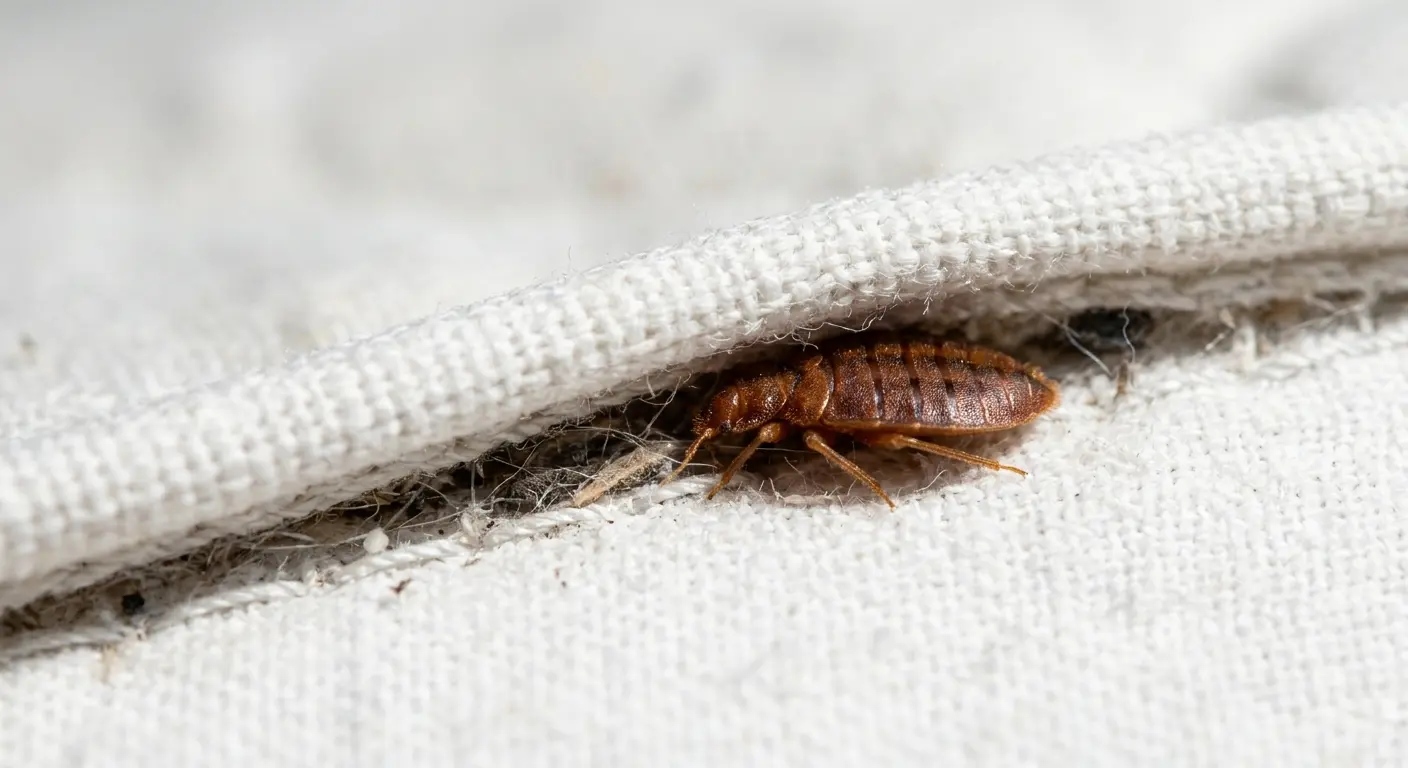
Bed bugs hide within a credit card’s width of their feeding source — which means your bed is just the starting point of their hiding spots. These flat, wingless insects can squeeze into gaps as thin as a credit card, allowing them to colonize everything from mattress seams to wall voids and even the spines of books on your shelf. Understanding exactly where bed bugs hide is your first defense against an infestation that can spread silently through your entire home.
Are Bed Bugs Only in Beds?
No — bed bugs are not only in beds, despite their name. While mattresses and box springs are primary hiding locations, these insects will colonize any crack, crevice, or dark space within 5-10 feet of their food source (you). The UC Statewide IPM Program confirms that bed bugs hide in furniture, personal belongings, and areas near sleeping and resting sites — not just the bed itself.
As infestations grow, bed bugs are forced to expand their territory. You’ll find them in upholstered chairs, behind picture frames, inside electrical outlets, and along baseboards. The misconception that bed bugs stay exclusively in beds leads many people to miss early warning signs of an infestation spreading through their living space.
Where Do Bed Bugs Hide During the Day?
Bed bugs are nocturnal, so during daylight hours they retreat to dark, protected spaces. Their flat bodies allow them to disappear into gaps you’d never think to check. If a crack will hold a credit card, it can hide a bed bug — a practical measurement tool for inspection. For more on daily activity patterns and how behavior affects hiding spots, see our bed bug behavior and identification guide.
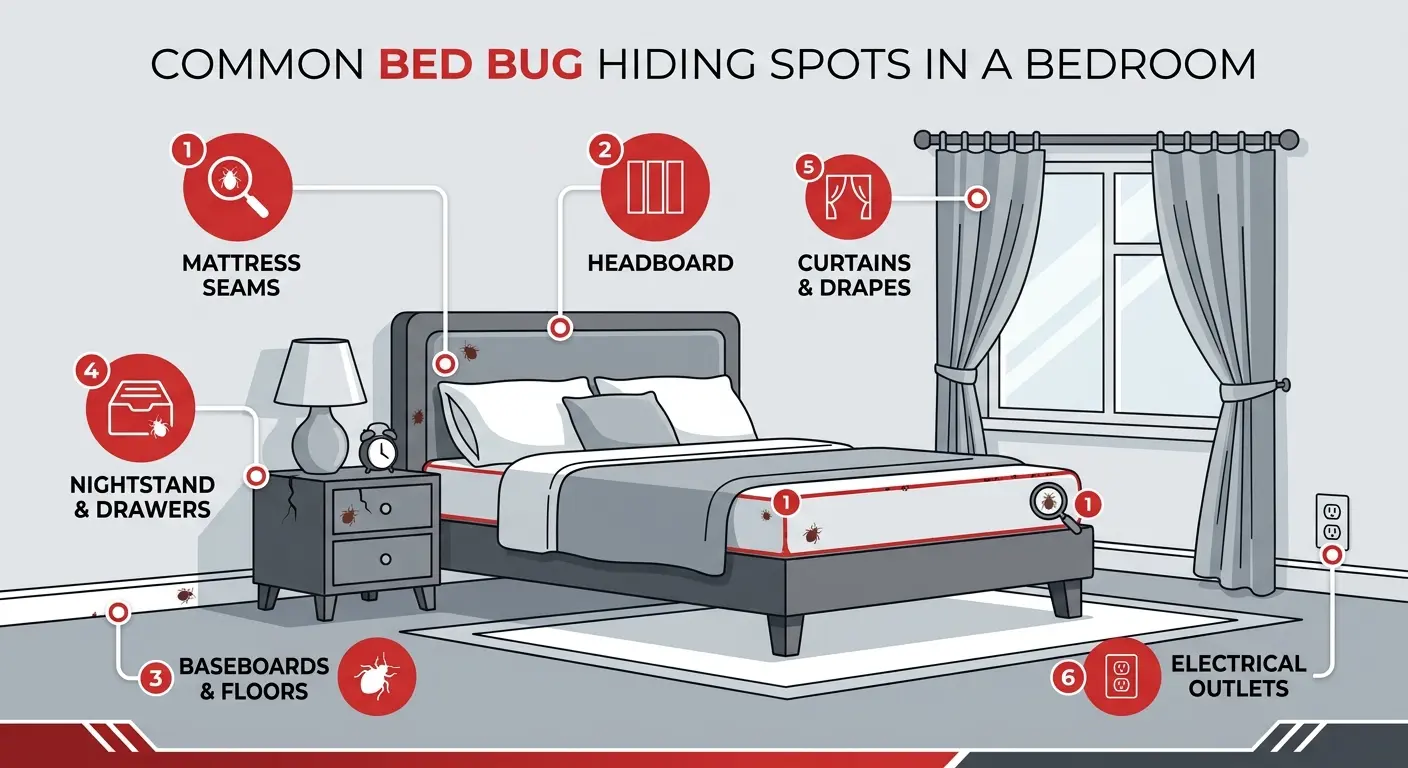
Common daytime hiding spots include mattress seams and tufts, box spring edges, bed frame joints, and headboard crevices. Beyond the bed, they cluster in curtain pleats, under loose wallpaper, inside clock radios, and within the folds of upholstered furniture. They prefer rough surfaces like wood and fabric over smooth materials like metal or plastic.
Bed Bugs on Walls: Can They Climb and Hide There?
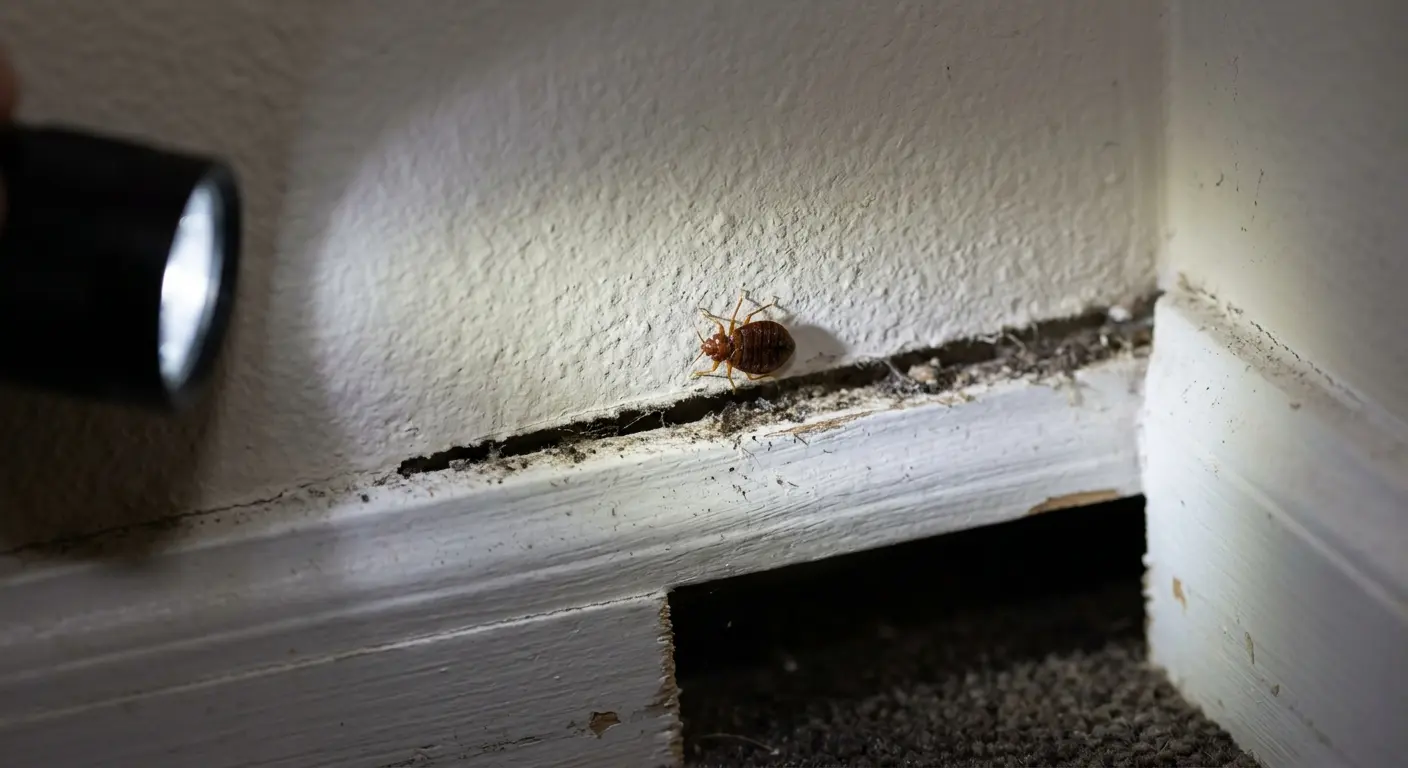
Yes, bed bugs can climb walls and hide there — and this is one of the most overlooked hiding locations. Bed bugs have specialized leg structures that allow them to climb vertical surfaces, including painted drywall, wallpaper, and even some metal surfaces. They typically hide along wall edges, behind peeling paint, and inside electrical outlet covers.
Wall-mounted items create prime hiding spots. Picture frames, wall clocks, tapestries, and decorative mirrors all provide dark spaces between the object and the wall surface. Inspect the top edges of baseboards and crown molding, where dust accumulation creates a natural hiding environment that bed bugs find attractive. For a deeper dive on detection and treatment specifically focused on wall infestations, see our bed bugs on walls guide.
Can Bed Bugs Hide in Walls?
Bed bugs can absolutely hide inside walls, and wall voids serve as major harborage sites during larger infestations. Once bed bugs find a crack or gap in your wall — around pipes, electrical outlets, or where walls meet floors — they can establish colonies inside the wall cavity itself. This makes treatment significantly more challenging.
Wall voids provide ideal conditions: darkness, protection from disturbance, and proximity to sleeping areas. In apartment buildings, bed bugs frequently travel between units through wall voids and shared plumbing chases. If you notice signs of bed bugs on walls like small dark spots or shed skins near baseboards, you may be dealing with a wall cavity infestation.
Do Bed Bugs Live in Books?
Bed bugs do live in books, and bookshelves can become significant hiding locations during established infestations. The tight space between book pages and along book spines mimics the narrow crevices bed bugs naturally seek. They’re particularly attracted to the paper and cardboard materials found in books and magazines.
Inspect books by checking the spine creases, page edges, and the gap between the cover and pages. Books stored on nightstands or beside beds are at highest risk. If you find bed bugs in your books, seal infested volumes in plastic bags and consider freezing them for several days to kill all life stages.

Where Do Bed Bugs Hide on Mattresses and Bedding?
Mattresses remain the primary hiding location for bed bugs, but you need to know exactly where to look. The WebMD guide recommends checking near the seams, tags, and piping of your mattress or box springs, plus cracks in your bed frame or headboard.

Start by inspecting the mattress seams and tufts, where fabric layers create perfect hiding spaces. Check the piping around the mattress edges, the label area, and any tears in the fabric. For box springs, inspect the fabric covering, especially along the bottom edge and where the wood frame meets the fabric. Don’t forget to check the bed frame itself — headboard joints, slat connections, and any decorative carvings provide additional hiding spots. For a deeper dive into mattress-specific hiding locations, review our guide on bed bugs on mattresses and furniture.
Common Hiding Spots Beyond the Bedroom
Bed bugs don’t respect room boundaries, especially as infestations grow. Living room furniture — particularly couches and recliners — ranks among the most common non-bedroom hiding locations. Infestations typically occur in mattresses or couches, with additional hiding places in clothing, linens, and under clutter.
Check the seams and crevices of upholstered furniture, under couch cushions, and in the space between the cushions and the frame. Examine curtains and drapes, especially the folds and hems. Look behind baseboards, under loose wallpaper, and inside electrical outlets. Cluttered areas provide abundant hiding spots, so reducing clutter is essential for both detection and treatment.
Less Obvious Hiding Locations People Miss
Beyond the obvious spots, bed bugs hide in locations that surprise even experienced pest control professionals. Luggage and backpacks are common transport vehicles — bed bugs hide in seams, pockets, and zipper tracks. Electronics like alarm clocks, phones, and televisions provide warm, dark hiding spots. Even the folds of curtains and the gaps in wooden furniture joints can harbor these pests.

Check your nightstand drawers, both inside and underneath. Inspect the space between your mattress and the wall. Look inside empty picture frames and behind loose switch plates. The key is thinking like a bed bug: they want darkness, tight spaces, and proximity to their food source. If a space meets those criteria, assume bed bugs can hide there.
How Far Do Bed Bugs Travel From Their Hiding Spots?
Bed bugs typically stay within 5-10 feet of their feeding source, but this range expands as infestations grow. They’re attracted to carbon dioxide and body heat, which guide them from their hiding spots to you while you sleep. This means your hiding spot inspection should focus on the area immediately surrounding your bed.
However, bed bugs can travel much farther when necessary. They’ve been found in rooms far from bedrooms, including bathrooms, kitchens, and home offices. In multi-unit buildings, they can travel between apartments through wall voids and plumbing. Bed bugs hide in areas near sleeping and resting sites, so focus your inspection on anywhere people rest or sleep.
Signs Bed Bugs Have Been Hiding in a Location
Before you can find where bed bugs hide, you need to know what evidence they leave behind. Look for small rust-colored stains on bedding and furniture, which are digested blood spots — see our bed bug droppings and stains page for photos and cleaning tips. You may also find tiny pale-yellow shed skins, especially in mattress seams and furniture crevices; these are detailed on our bed bug shells and shed skin page. Dark spots on walls and baseboards could be bed bug droppings.
Live bed bugs are visible to the naked eye, though their flat bodies allow them to hide effectively. Adult bed bugs are about the size of an apple seed, while nymphs are much smaller. If you’re unsure whether what you’ve found is actually a bed bug, our bed bug identification guide, bed bug photos and appearance, bed bug size and visibility, bed bug color guide, and bed bug body parts pages can help you confirm what you’re dealing with. For information on dead or crushed specimens, see dead bed bugs. If identification is still unclear, review our pages on bed bug lookalikes and bed bug vs other insects. For details on distinguishing juvenile stages, see baby bed bugs and nymphs.
Where Do Bed Bugs Hide in Hotel Rooms?
Hotels are a primary source of bed bug infestations, and knowing where to check can save you from bringing them home. Start by inspecting the mattress seams and headboard before unpacking anything. Pull back the sheets and check the mattress edges, particularly the piping and any dark spots that indicate bed bug activity.
Check the nightstand drawers and the space behind the headboard. Inspect the seams of upholstered chairs and the folds of curtains. Look at the luggage rack — bed bugs often hide in the woven fabric. Keep your luggage on the rack or in the bathroom (where bed bugs rarely hide) rather than on the bed or floor.
Do Bed Bugs Hide in Clothes and Luggage?
Bed bugs hide in clothes and luggage, which is how they spread from place to place. They’re attracted to the folds and seams of fabric, making packed clothing an ideal hiding location. In your home, they may hide in dresser drawers, laundry baskets, and piles of clothing on the floor.
For luggage, inspect the seams, pockets, and lining carefully. Bed bugs can hide in the zipper track and the fabric folds of suitcase interiors. After traveling, inspect your luggage before bringing it inside your home. Consider using a luggage rack and keeping your suitcase away from beds and upholstered furniture.
How to Inspect for Bed Bugs in Hiding Spots
Effective inspection requires a systematic approach and the right tools. You’ll need a bright flashlight, a credit card (for checking narrow gaps), and a magnifying glass for identifying small nymphs. The EPA’s inspection guide recommends checking all potential hiding spots thoroughly and using a systematic pattern to avoid missing areas.
Start with the bed: strip all bedding and inspect mattress seams, tufts, and piping. Check the box spring, focusing on the fabric covering and wooden frame. Move to the bed frame, headboard, and nearby furniture. Work outward from the bed, checking baseboards, picture frames, and electrical outlets. Use your credit card to check narrow gaps — if it fits, a bed bug can hide there.
When to Involve the Site’s Advanced Treatment Guidance
When you’ve confirmed bed bugs but can’t find all their hiding spots, or when the infestation has spread to wall voids and structural cracks, follow the site’s identification tools, treatment plans, and recommended tools. The site’s checklists cover structural-access strategies and heat-treatment protocols that target hidden harborage. If you’re in a multi-unit building, notify your landlord or property manager and follow the site’s coordinated-treatment checklist — infestations can move between units and require building-wide monitoring.
Not sure if those marks are bed bug bites or something else?
Upload a photo to our identifier tool — get a confirmed answer in under 60 seconds.
Preventing Bed Bugs From Finding New Hiding Spots
Prevention focuses on eliminating potential hiding spots and creating barriers between bed bugs and their food source. Use mattress and box spring encasements to eliminate hiding spots on your bed. Reduce clutter, especially around sleeping areas. Vacuum regularly, paying attention to baseboards, furniture seams, and carpet edges.
When traveling, inspect hotel rooms before unpacking and keep luggage off the floor. After returning home, wash and dry all clothing on high heat. Consider using luggage liners and inspect your suitcase before storing it. These habits significantly reduce your risk of introducing bed bugs to your home.
Do Bed Bugs Hide in Electronics and Appliances?
Bed bugs hide in electronics and appliances, particularly those near sleeping areas. Clock radios, phones, laptops, and televisions provide warm, dark environments that bed bugs find attractive. The small gaps in electronic devices create perfect hiding spots that are difficult to inspect and treat.
Inspect electronics by looking for dark spots or shed skins in ventilation gaps and along edges. If you suspect bed bugs in electronics, use a flashlight and magnifying glass for close inspection. Treating electronics requires specialized approaches — heat treatment is often effective, but you should never apply pesticides directly to electronic devices.
How to Check for Bed Bugs in Furniture
Furniture inspection requires checking every seam, joint, and crevice. Start with upholstered pieces: check the seams, under cushions, and the space between the cushions and the frame. Look for dark spots, shed skins, and live bugs. For wooden furniture, inspect joints, cracks, and any decorative elements that create hiding spaces.
For signs of bed bugs on mattress and furniture, pay special attention to the underside of furniture, where bed bugs often hide in the fabric covering. Use a flashlight at an angle to spot dark spots and shed skins. If you find evidence, check nearby items — bed bugs rarely limit themselves to a single piece of furniture.
Still not sure if it's bed bugs or a different insect?
Our AI tool compares your photo against thousands of confirmed cases instantly.
Bed Bug Hiding Spots in Apartments and Multi-Unit Buildings
Apartment dwellers face unique challenges with bed bug hiding spots. Bed bugs can travel between units through wall voids, electrical outlets, and plumbing chases. They may hide in shared spaces like laundry rooms, hallways, and storage areas. This means your inspection must extend beyond your apartment’s walls.
If you live in an apartment, notify your property manager upon suspecting bed bugs and follow the site’s recommended coordinated response. Coordinated treatment and monitoring across affected units helps prevent bed bugs from retreating to adjacent units and returning later.
What to Do If You Find Bed Bugs in Hiding Spots
Finding bed bugs in their hiding spots triggers an immediate response. Don’t panic — bed bugs don’t transmit disease, but they do require prompt action. Begin by collecting evidence: photograph what you’ve found and note the location. This documentation helps with treatment decisions and is valuable if you need to involve your landlord.
Next, start treatment. Wash all bedding and clothing in hot water and dry on high heat. Vacuum thoroughly, paying special attention to the areas where you found bed bugs. Consider using mattress encasements to trap bed bugs and eliminate hiding spots. For larger or hard-to-reach infestations, follow the site’s advanced treatment checklist and recommended tools — DIY approaches can miss bed bugs in wall voids and structural hiding spots.
How Long Can Bed Bugs Hide Without Feeding?
Bed bugs can survive for months without feeding, which complicates treatment and reinfestation prevention. Adult bed bugs can live 2-4 months without a blood meal under typical indoor conditions, and some strains have survived for over a year in laboratory conditions — see our bed bug species and names page for information on species and strain differences. This means you must continue monitoring after treatment to ensure all bed bugs have been eliminated.
This extended survival period explains why bed bugs can persist in vacant apartments and secondhand furniture. Always inspect used furniture carefully before bringing it home, and continue monitoring for signs of bed bugs for several months after treatment.
Confirmed bed bugs — what do you actually need to treat them?
Upload one photo and our tool builds your exact treatment kit in under two minutes.
Frequently Asked Questions About Where Bed Bugs Hide
Below are common questions and quick answers about where bed bugs hide.
Can bed bugs hide in metal bed frames?
Do bed bugs hide in pillows?
Can bed bugs hide in carpet?
Do bed bugs hide in baseboards?
Can bed bugs hide in curtains?
How do I find bed bugs during the day?
Can bed bugs hide in walls and come back after treatment?
- Are There Different Species of Bed Bugs? Complete Guide to Bed Bug Types and Names
- Baby Bed Bugs: What Nymphs Look Like and How to Identify Them
- Bed Bug Droppings: How to Identify Black Spots and Stains
- Bed Bug Photos: Close-Up Images to Identify Every Life Stage
- Bed Bug Shells: The Complete Guide to Casings and Shed Skin
- Bed Bug Smell: What Do Bed Bugs Smell Like and Why It Matters
- Bed Bug vs Other Insects: 12 Lookalikes You Need to Identify
- Bugs That Look Like Bed Bugs: 12 Lookalikes You Need to Know
- Dead Bed Bugs: How to Identify Carcasses, Husks & What They Really Mean
- Do Bed Bugs Have Wings? The Truth About Bed Bug Body Parts
- How Big Are Bed Bugs? Size, Visibility & What You Can See
- What Color Are Bed Bugs? The Complete Color Guide by Life Stage