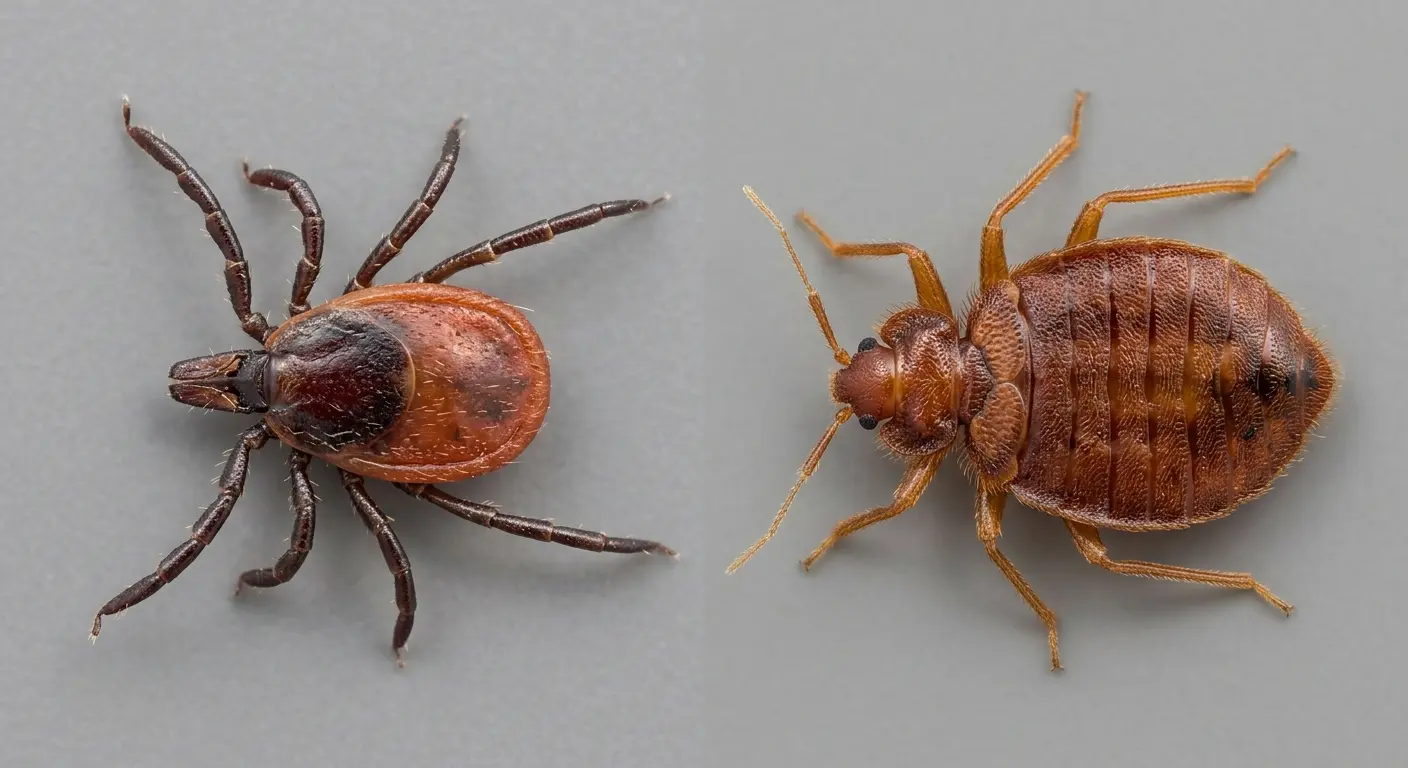
The fastest way to tell a tick from a bed bug is to count the legs: ticks have eight, bed bugs have six. That single observation settles most cases immediately — but if you’re staring at a tiny brown bug and can’t get close enough to count, here’s what else separates these two very different pests.
What Do Ticks and Bed Bugs Look Like?
Ticks have a single oval body with no distinct head, and their mouthparts project forward from the front edge. Bed bugs have a flattened, segmented body with a clearly visible head and antennae. Ticks never have antennae — that’s a hard rule from entomologists.
Size is another clue. Adult bed bugs measure about 5–7 mm, roughly the size of an apple seed. Unfed ticks are smaller (3–5 mm), but a fully engorged tick can balloon to 10 mm or more. If the bug is round and bloated, it’s likely a fed tick.
Where Did You Find It?
Location is the strongest behavioral signal. Bed bugs stay close to where people sleep — mattress seams, bed frames, and furniture crevices — because they feed at night and need quick access to a host. They don’t wander far.
Ticks, by contrast, live outdoors in tall grass, brush, and leaf litter. If you found the bug on your skin or clothing after being outside, think tick. Bed bugs often enter homes on luggage, secondhand furniture, or clothing from an infested hotel — not from your backyard.
Bite Patterns and Symptoms
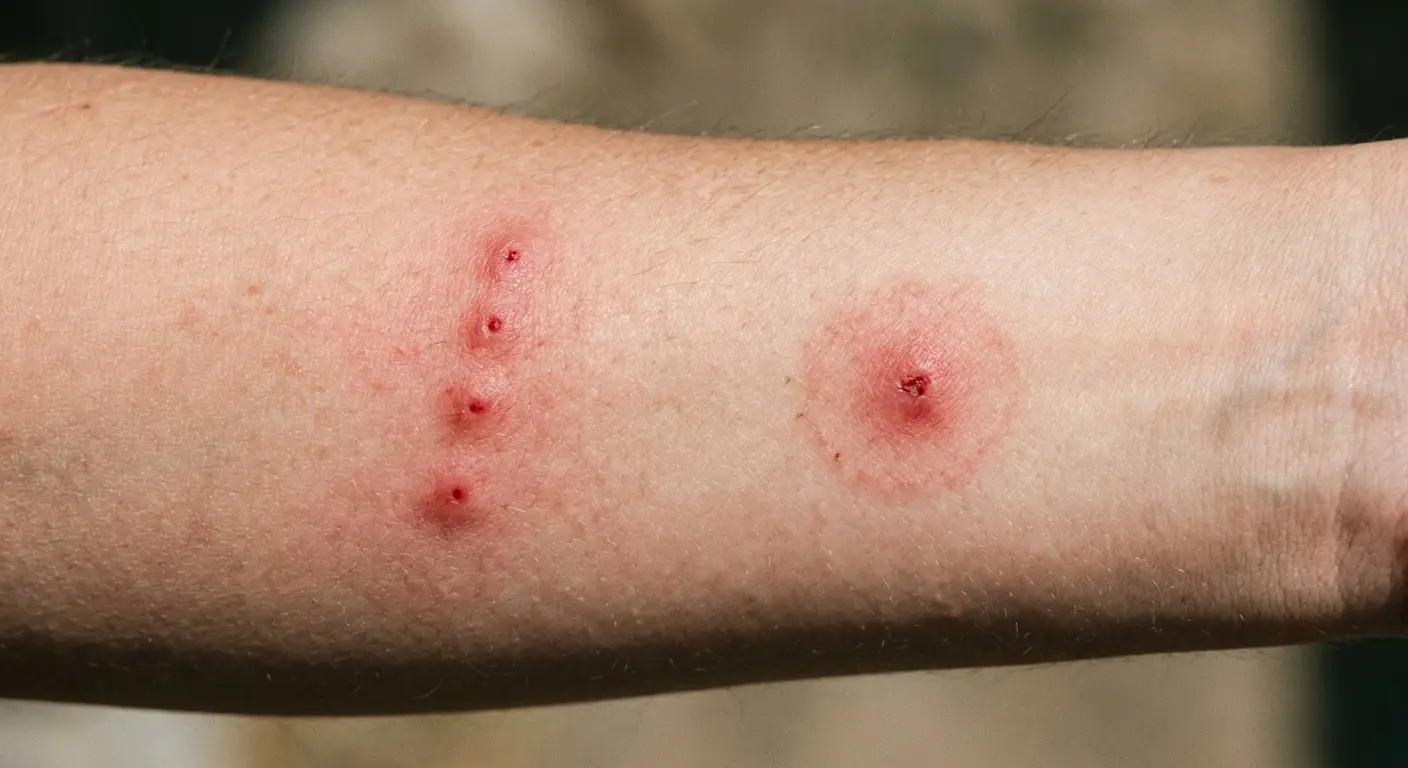
Both pests feed on blood, but their bite patterns differ. Bed bugs leave lines or clusters of red, itchy welts on exposed skin — typically arms, neck, and face. Tick bites are usually solitary, and the tick often remains attached for hours or days before you notice it.
Most guides say the itching is the giveaway — but the real distinction is attachment. Ticks embed their mouthparts into the skin and stay there. Bed bugs bite and retreat. If you found a bug still attached, it’s a tick.
How to Tell If You Have an Infestation
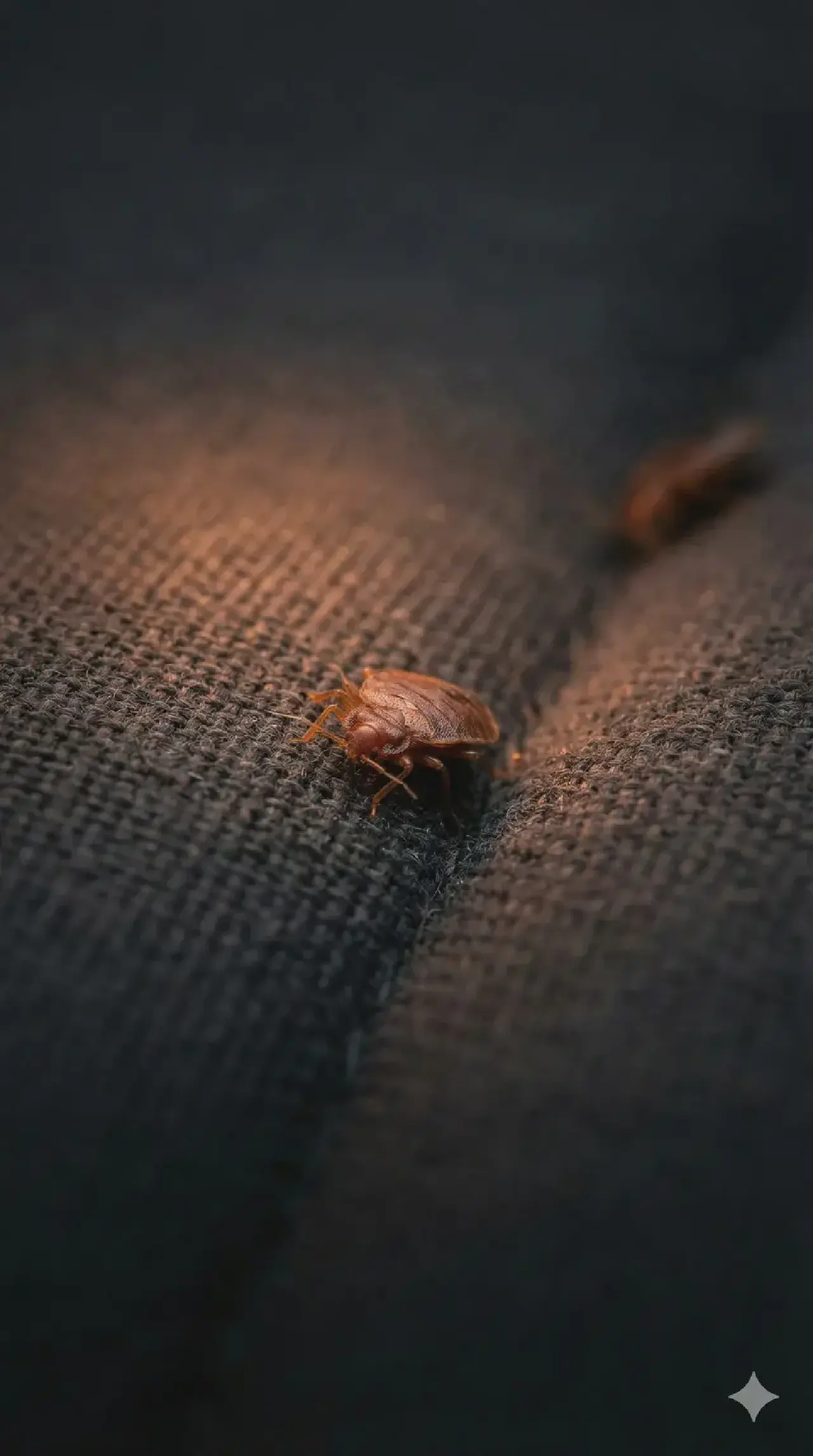
The breeding habits make this obvious. Few tick species reproduce indoors, so if you’re finding multiple bugs inside your home, you’re almost certainly dealing with bed bugs, not ticks. Signs of bed bugs include small rust-colored stains on bedding, tiny white oval eggs adhered to surfaces, and red bite marks on exposed skin.
Ticks don’t leave these signs. They drop off after feeding and rarely establish indoor populations. A single tick indoors is an accident — multiple bugs indoors is a bed bug problem.
Not sure if those marks are bed bug bites or something else?
Upload a photo to our identifier tool — get a confirmed answer in under 60 seconds.
Tick vs Bed Bug Photos: What to Look For
When comparing tick vs bed bug photos, focus on three features: legs (eight vs six), antennae (absent on ticks, present on bed bugs), and body shape (single oval vs segmented flat). Also check the color — bed bugs are reddish-brown, while ticks range from brown to gray depending on species and feeding status.
If you’re still unsure after examining the photo, consider the context: where you found the bug, whether you’ve traveled recently, and whether others in your home have bites. These clues matter more than any single visual detail.
Frequently Asked Questions
Can a tick look like a bed bug?
Do ticks infest your bed?
What should I do if I find a tick on me?
Can bed bugs live on your body like ticks?
What to Do Next
If you’ve confirmed bed bugs, act quickly — they reproduce rapidly and spread through your home. If you’re still uncertain, compare your findings with other common lookalikes like carpet beetles or spiders. For a broader identification guide, see our bed bug vs other insects comparison.
Most guides tell you to just “look for the difference” — but the real insight is that ticks and bed bugs occupy completely different worlds. Ticks come from outdoors and attach temporarily. Bed bugs live in your home and multiply. That distinction drives everything about how you respond.
Confirmed bed bugs — what do you actually need to treat them?
Upload one photo and our tool builds your exact treatment kit in under two minutes.