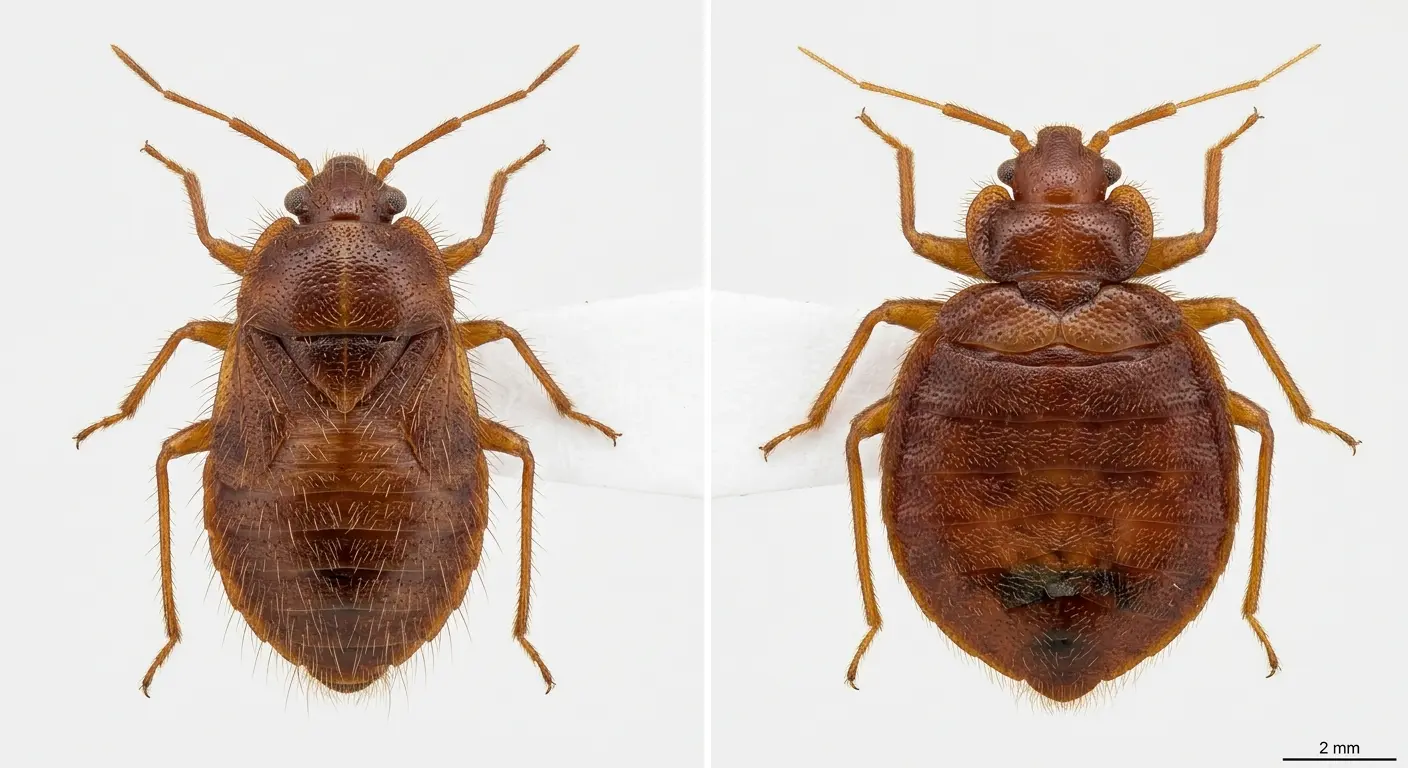
Swallow bugs and bed bugs look nearly identical to the naked eye, but the key difference is that swallow bugs feed on cliff swallows and live in their nests, while bed bugs feed on humans and live in your home. Both are blood-feeding parasites from the same family, which is why they’re so easily confused. If you’ve found a bug that looks like a bed bug, here are the five reliable ways to tell them apart before you panic.
What Are Swallow Bugs?
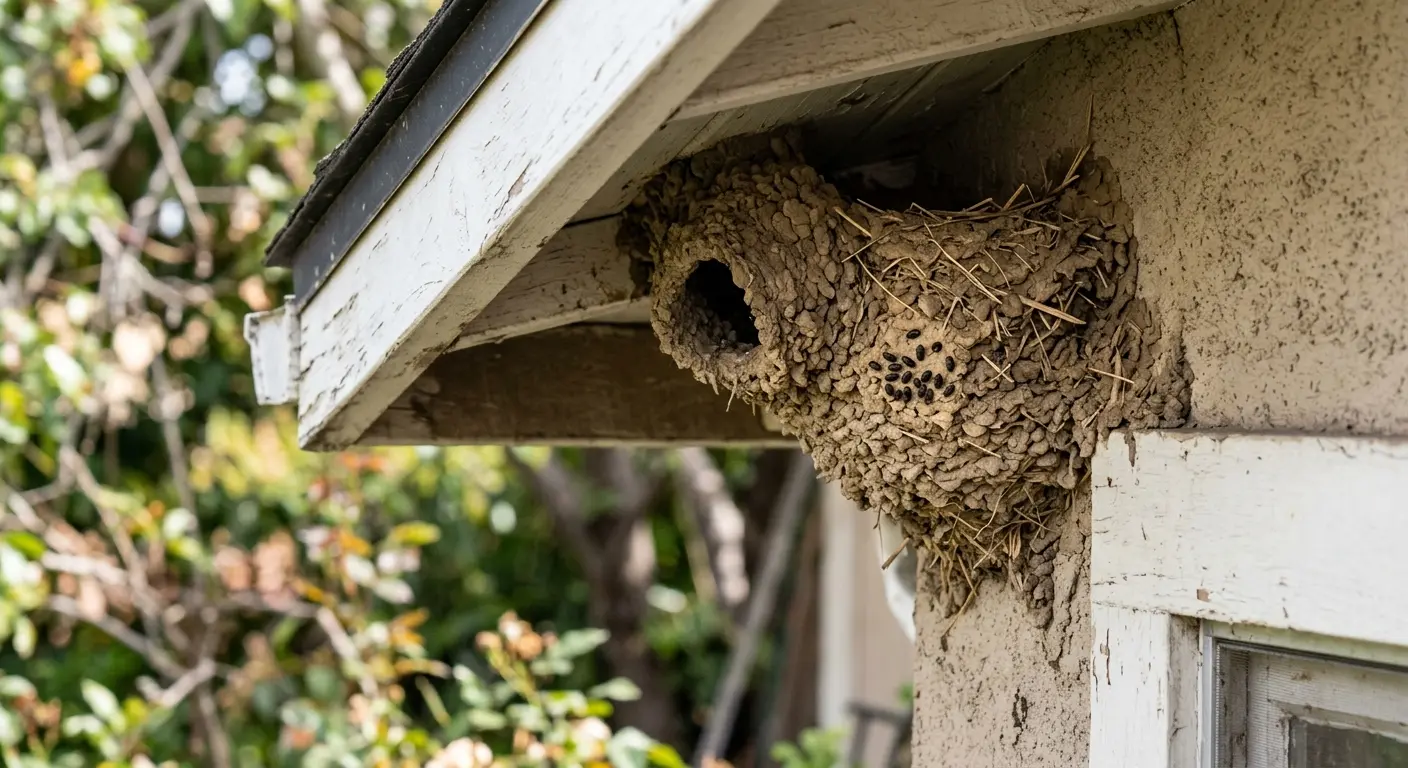
Swallow bugs (Oeciacus vicarius) are parasitic insects that feed exclusively on cliff swallows and, occasionally, barn swallows. They live inside swallow nests and in the immediate surrounding areas, such as eaves, rafters, and building ledges where swallows roost. According to Colorado State University’s Agricultural Biology department, swallow bugs are “largely restricted to swallow nests and their immediate surroundings,” unlike bed bugs that have fully adapted to human dwellings.
When swallows migrate away from their nests, swallow bugs become desperate for a blood meal — and they may wander indoors looking for one. This is why homeowners sometimes find them inside, especially during spring and fall migration periods.
Swallow Bug vs Bed Bug: 5 Key Differences
Most guides say you need a microscope to tell these insects apart — but that’s only half true. While a microscope confirms the ID, you can make a strong initial assessment with a magnifying glass and a few behavioral clues.
| Feature | Swallow Bug | Bed Bug |
|---|---|---|
| Antennae | Last two segments are nearly equal in length | Last segment is about half the length of the segment before it |
| Hair length | Long, fine hairs all over the body | Shorter hairs, especially behind the head |
| Host | Cliff swallows and barn swallows | Humans |
| Location | Swallow nests, eaves, rafters | Mattresses, box springs, bed frames, furniture |
| Bite pattern | Often on exposed skin if indoors | Typically in a line or cluster on exposed skin |
1. Antennae Segment Length
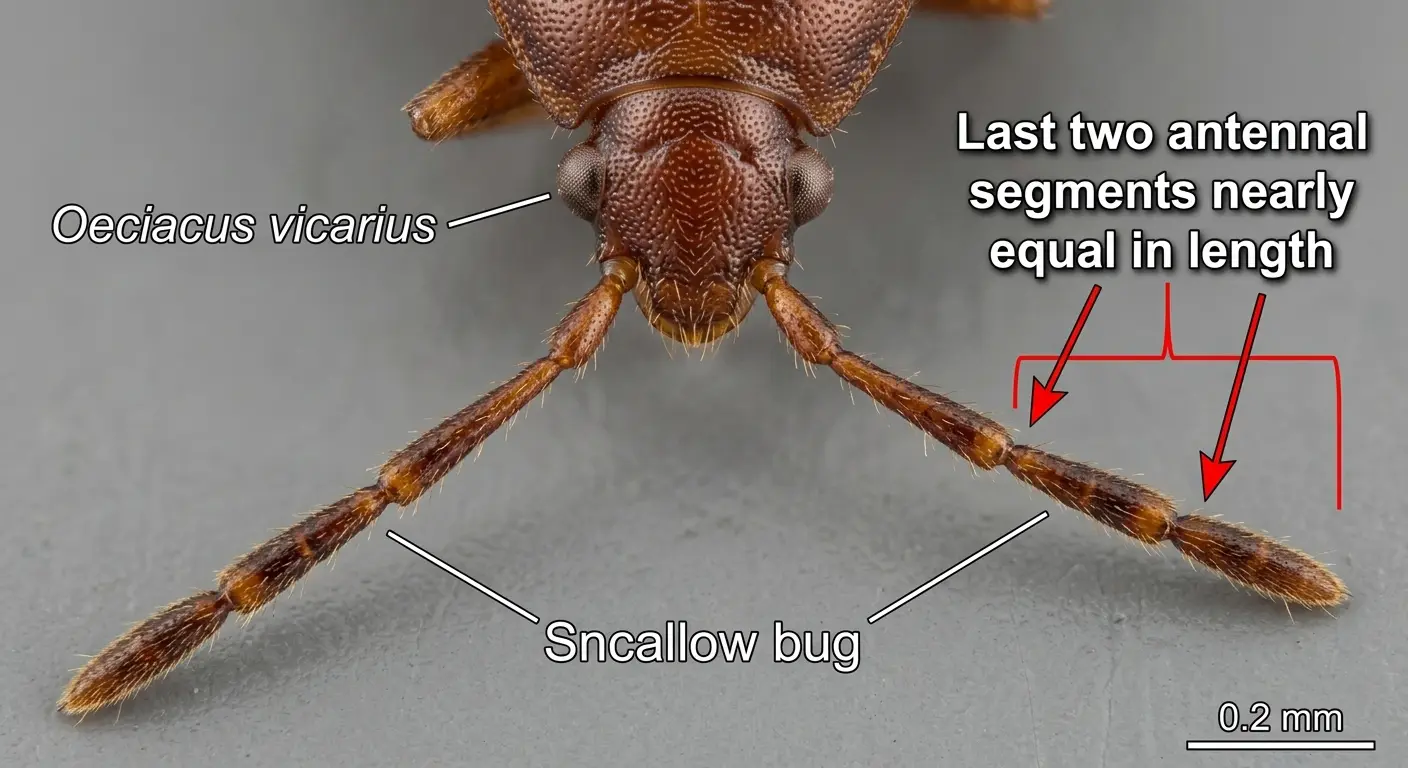
The most definitive physical difference is in the antennae. In swallow bugs, the last two antennal segments are nearly equal in length. In bed bugs, the last two segments are unequal — the final segment is roughly half the length of the segment preceding it. This is the primary diagnostic feature confirmed by Colorado State University.
2. Hair Length Behind the Head
Check the fringe hairs just behind the head. In swallow bugs, these hairs are longer than the width of the eye. In bed bugs, they’re shorter than the eye width. This requires a magnifying glass or microscope, but it’s a reliable distinguishing feature.
3. Host and Location
Swallow bugs are found near swallow nests — think eaves, porch lights, window ledges, and attic rafters. Bed bugs are found where people sleep. If you found the bug in your bedroom, it’s far more likely a bed bug. If you found it near a bird nest, it’s probably a swallow bug.
4. Body Size and Hair Coverage
Swallow bugs are slightly smaller than bed bugs and are “clothed all over in long, fine hairs,” giving them a fuzzier appearance. Bed bugs have shorter, sparser hairs that are harder to see without magnification.
5. Bite Behavior
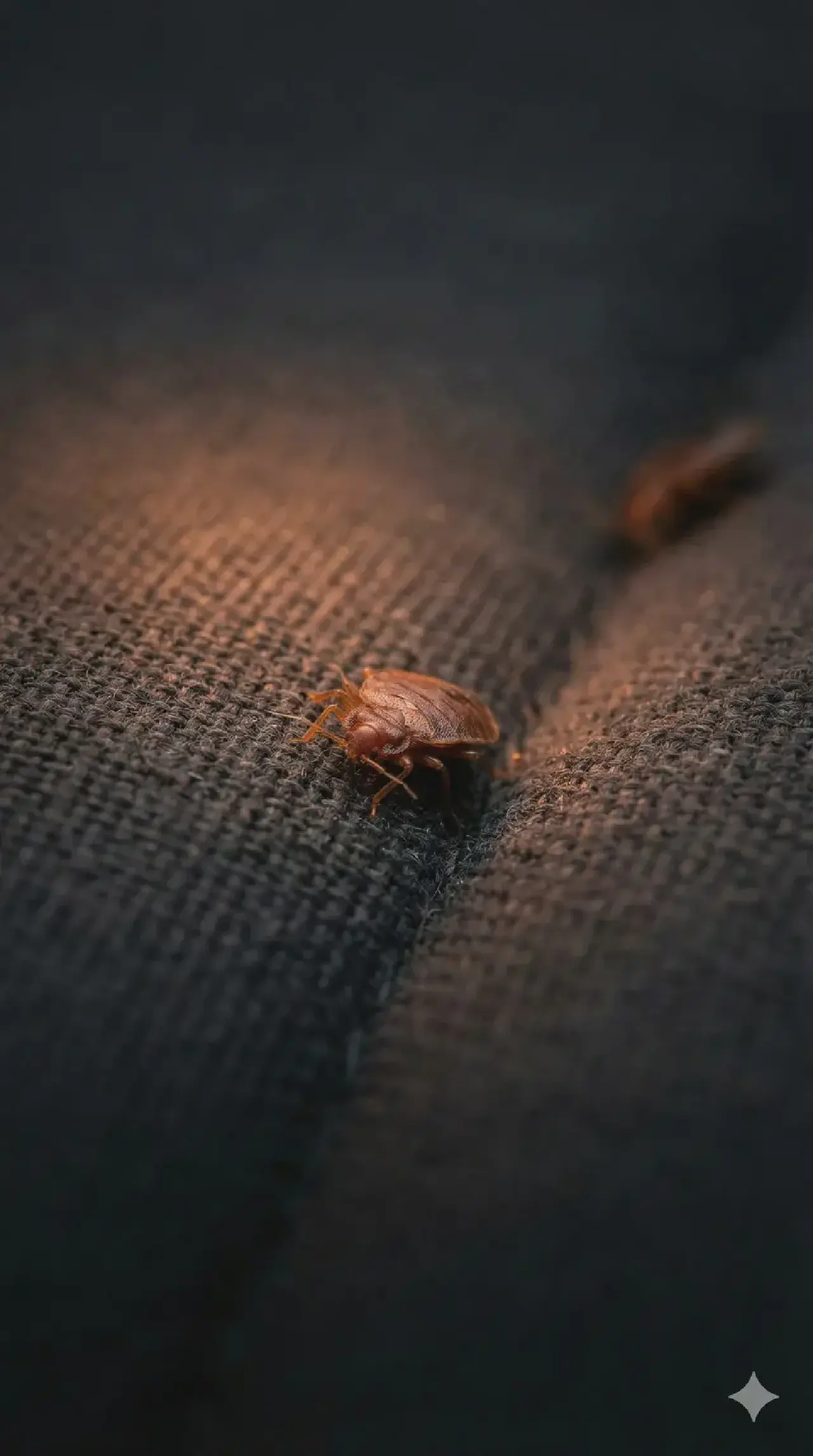
When swallow bugs wander indoors, they bite humans — but they don’t establish breeding populations in your home like bed bugs do. If you keep finding new bugs over weeks, it’s likely bed bugs. A one-time indoor sighting near a bird nest points to swallow bugs.
Why Correct Identification Matters
Misidentifying a swallow bug as a bed bug can trigger an unnecessary, expensive treatment plan. Bed bug extermination typically requires multiple pesticide applications, heat treatments, and thorough preparation of your home. Swallow bug control, by contrast, involves removing swallow nests and sealing entry points — a far simpler and cheaper process.
On the flip side, mistaking bed bugs for swallow bugs means delaying proper treatment while the infestation grows. Bed bugs reproduce quickly, and a small problem can become severe within weeks. If you’re unsure, you need a definitive answer before spending money on treatment.
How to Handle a Swallow Bug Infestation
If you confirm swallow bugs, the solution is straightforward: remove the swallow nests, clean the area thoroughly, and seal cracks and gaps where birds might re-nest. Because swallow bugs depend on birds for survival, eliminating the nest removes their food source and breeding ground.
If you have bed bugs, you’ll need a different approach — confirm the identification (for example, using our photo identifier tool) and follow our treatment guidance: thorough cleaning, mattress encasements, and the recommended products and step-by-step procedures.
Not sure if those marks are bed bug bites or something else?
Upload a photo to our identifier tool — get a confirmed answer in under 60 seconds.
Frequently Asked Questions
What does a swallow bug look like?
Can swallow bugs live in your house?
Do swallow bugs bite humans?
How do I know if I have bed bugs or swallow bugs?
Are swallow bugs dangerous?
Next Steps
If you’ve captured a bug and need to confirm whether it’s a swallow bug or bed bug, don’t rely on guesswork. The physical differences are subtle, and a misdiagnosis can cost you hundreds of dollars in unnecessary treatments — or worse, let a real bed bug infestation go untreated.
For more comparisons, see our guide on bed bug vs other insects or check out similar look-alikes like bed bugs vs fleas and tick vs bed bug.
Still not sure if it's bed bugs or a different insect?
Our AI tool compares your photo against thousands of confirmed cases instantly.