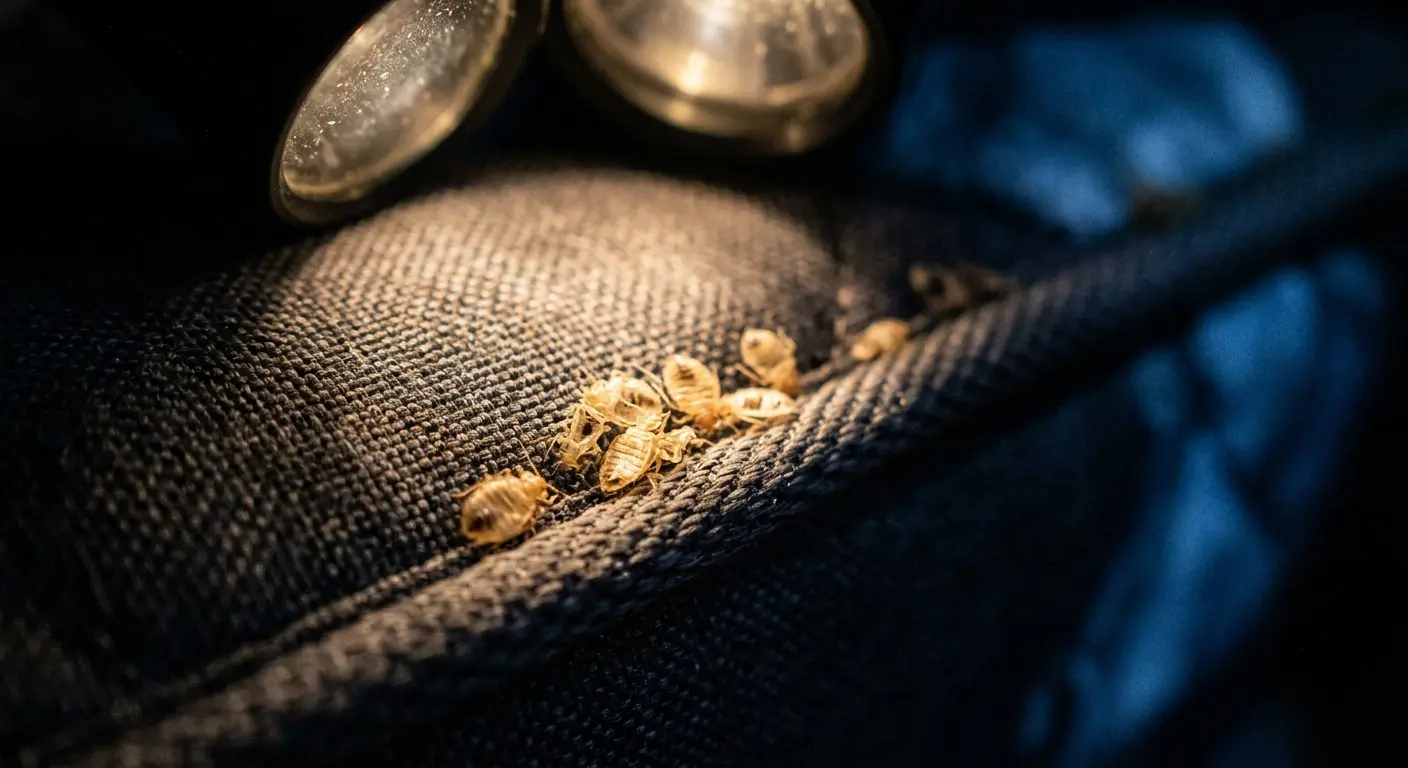
The main difference between bed bugs and lice is that bed bugs infest your home and furniture, while lice live directly on your body or scalp. Bed bugs hide in mattress seams and bite you at night, whereas lice stay attached to hair or clothing and feed multiple times daily. Understanding this core distinction determines whether you need to treat your bedroom or your body.
Where Do Bed Bugs and Lice Live?
Bed bugs are nocturnal pests that hide in mattress seams, box springs, and headboards during the day, emerging at night to feed on sleeping humans. They can survive months without a meal and spread by hitchhiking on luggage or used furniture.
Lice, by contrast, spend their entire life cycle on their host. Head lice attach eggs (nits) to hair shafts near the scalp, while body lice live in clothing seams and move to the skin only to feed. According to PubMed research, adult bed bugs measure 1-7mm, making them visible to the naked eye, whereas lice are significantly smaller and harder to spot.
What Do Their Bites Look Like?
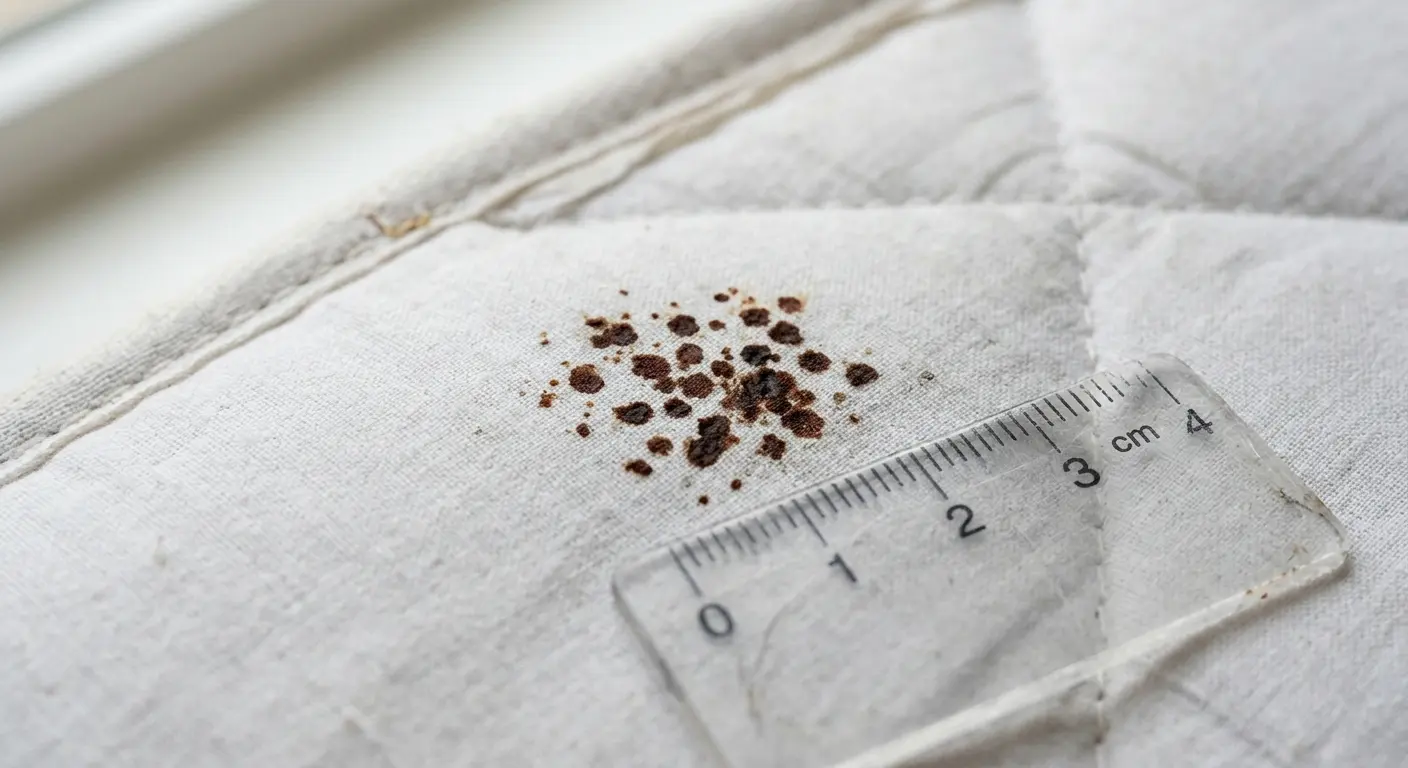
Bed bug bites typically appear as red, itchy welts in a line or zigzag pattern on exposed skin — arms, neck, and face. Reactions vary from no visible mark to severe allergic responses, often taking days to develop.
Lice bites cause intense itching, especially behind the ears and at the nape of the neck. Unlike bed bugs that bite and retreat, head lice remain on the scalp, feeding every few hours. Most guides focus on bite appearance — but the real difference is behavior: bed bugs are transient feeders, while lice are permanent residents on your body.
How Do You Treat Each Infestation?
For bed bugs:
- Wash all bedding in hot water (above 120°F)
- Vacuum thoroughly, especially mattress seams
- Encase mattress and box spring in protective covers
- For severe infestations, confirm identification using our photo identifier tool and follow our advanced at‑home treatment plan and recommended tools and products (see our treatment guidance).
For lice:
- Use over-the-counter or prescription lice treatments
- Comb out nits with a fine-toothed comb
- Wash clothing and bedding in hot water
- Check all family members — lice spread through direct contact
The University of Pittsburgh notes that both pests can infest clean or dirty homes, and both can trigger allergic reactions or secondary infections from scratching. One critical warning: researchers have identified mutant lice strains in 25 states resistant to standard treatments, so persistent cases need prescription options.
How Do Book Lice Compare?
Book lice are a completely different pest — they feed on mold and fungi in humid areas, not human blood. If you’re finding tiny insects near books or stored paper, they’re likely booklice, not bed bugs or human lice. They cause no bites and require only humidity control to eliminate.
Frequently Asked Questions
Can bed bugs live in your hair like lice?
Which is harder to get rid of: bed bugs or lice?
Can you see bed bugs and lice with the naked eye?
Are bed bug bites and lice bites itchy the same way?
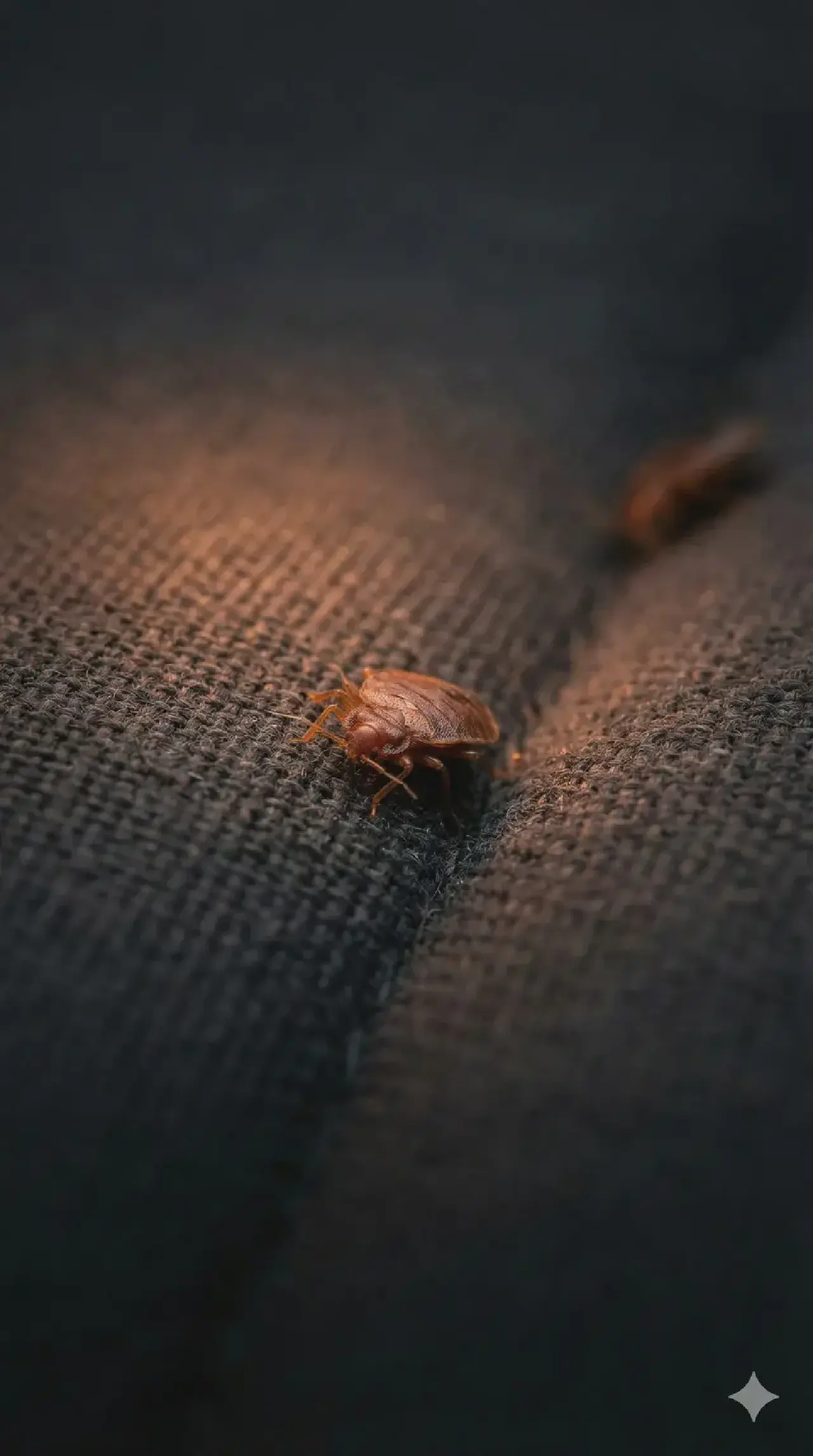
Not sure if those marks are bed bug bites or something else?
Upload a photo to our identifier tool — get a confirmed answer in under 60 seconds.
When to Consider Advanced Treatment Options
If you’ve confirmed bed bugs, follow our comprehensive treatment workflow — including mattress encasements, targeted vacuuming, heat laundering at >120°F, and recommended treatment products — and use the photo identifier and troubleshooting guide to track progress. For persistent infestations, follow the article’s escalation checklist for additional on‑site treatment steps (see our treatment guidance).
For more help distinguishing bed bugs from other household pests, check our guide on bed bug vs other insects or compare with bed bugs vs fleas and tick vs bed bug.
Still not sure if it's bed bugs or a different insect?
Our AI tool compares your photo against thousands of confirmed cases instantly.