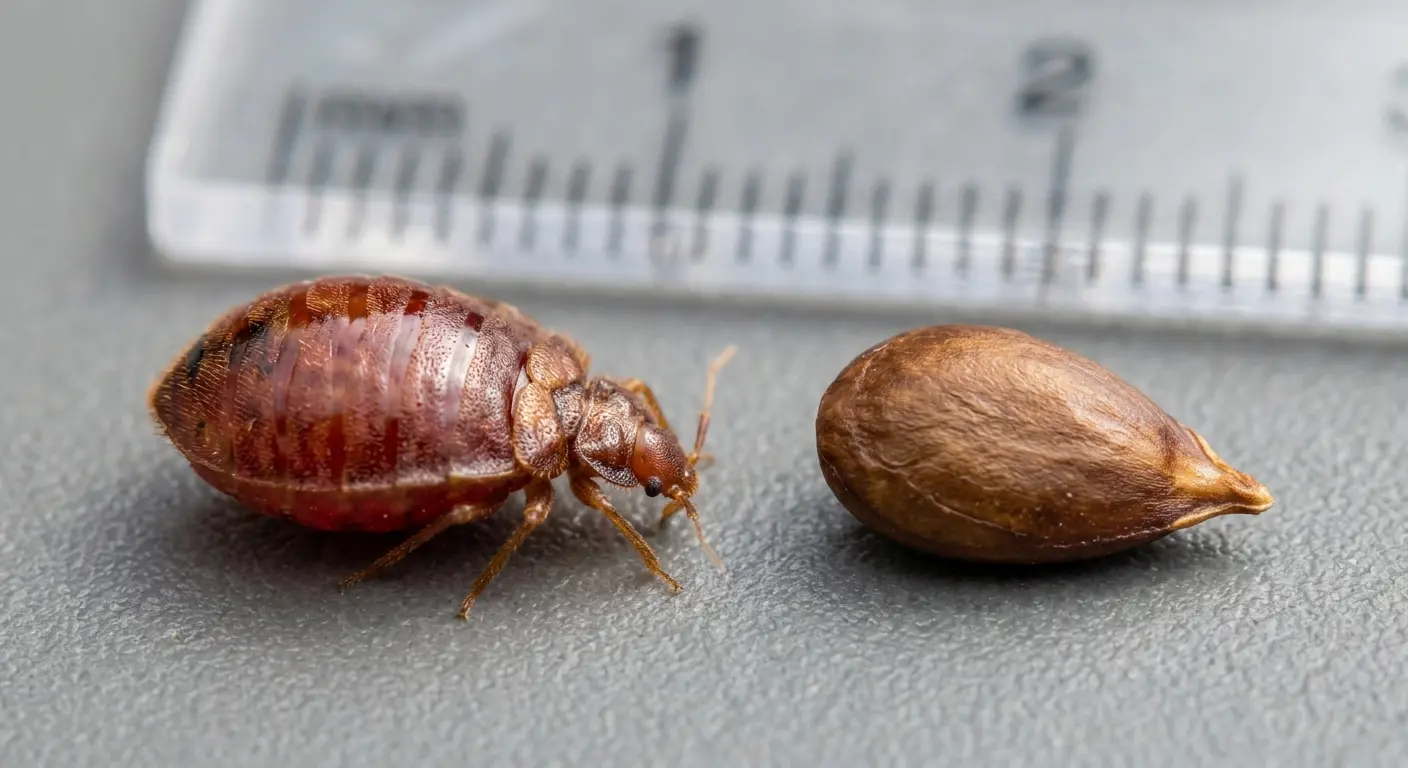
A giant bed bug isn’t a separate species — it’s a fully grown adult that has recently fed, and its size is your clearest signal that an infestation has been active for months. Adult bed bugs typically measure 4–5 mm (about the size of an apple seed), but after a blood meal they can swell to 7–8 mm and appear dramatically larger. If you’ve found a bed bug that looks bigger than expected, here’s what that size actually tells you and how to respond.
How Big Can Bed Bugs Actually Get?
The biggest bed bug in the world still falls within the same species — Cimex lectularius — but environmental factors and feeding status create noticeable size variation. Unfed adults measure roughly 4–5 mm, while engorged adults can reach 7–8 mm. Females tend to be slightly larger than males, and research from the University of Kentucky’s entomology department confirms that bed bugs in cooler climates may develop slightly larger body sizes due to slower metabolism and extended development periods.
Most guides focus on average sizes, but the real insight is this: bed bugs don’t grow larger with age after adulthood. Once they reach maturity, their size is fixed — so a “giant” bed bug is almost always one that has just fed, not an older or different specimen.
Why Finding a Huge Bed Bug Matters
An unusually large bed bug signals two things: the infestation has been established long enough for bugs to reach full maturity, and they’re actively feeding. According to the Environmental Protection Agency (EPA), bed bugs reach adulthood in as little as 37 days under optimal conditions, so a fully grown adult means the infestation has existed for at least 5–6 weeks — likely longer.
The Centers for Disease Control and Prevention (CDC) notes that bed bugs don’t transmit disease, but their bites can cause itching, secondary infections, and significant psychological distress. A large specimen also means you’re likely dealing with multiple generations, which complicates treatment.
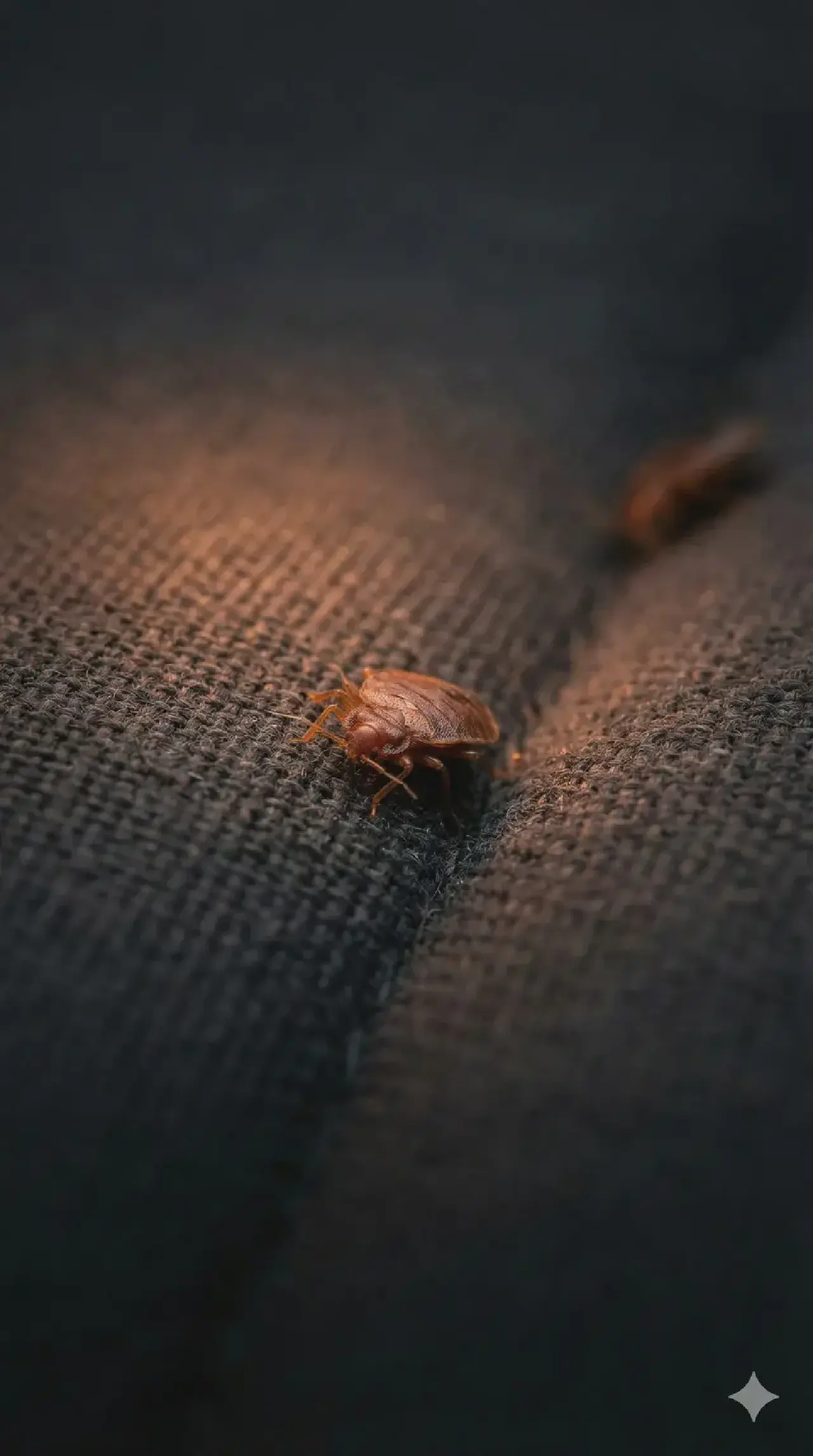
Not sure if those marks are bed bug bites or something else?
Upload a photo to our identifier tool — get a confirmed answer in under 60 seconds.
Common Look-Alikes: What Else Could It Be?
Before you panic, confirm your find. Several insects resemble bed bugs but are larger:
| Insect | Size | Key Differences |
|---|---|---|
| Bat bug | 4–5 mm | Longer hairs on thorax; usually found near bat roosts |
| Swallow bug | 4–6 mm | Associated with bird nests; rarely bites humans |
| Cockroach nymph | 3–6 mm | Two parallel stripes on back; faster movement |
| Booklouse | 1–2 mm | Pale color; no blood feeding |
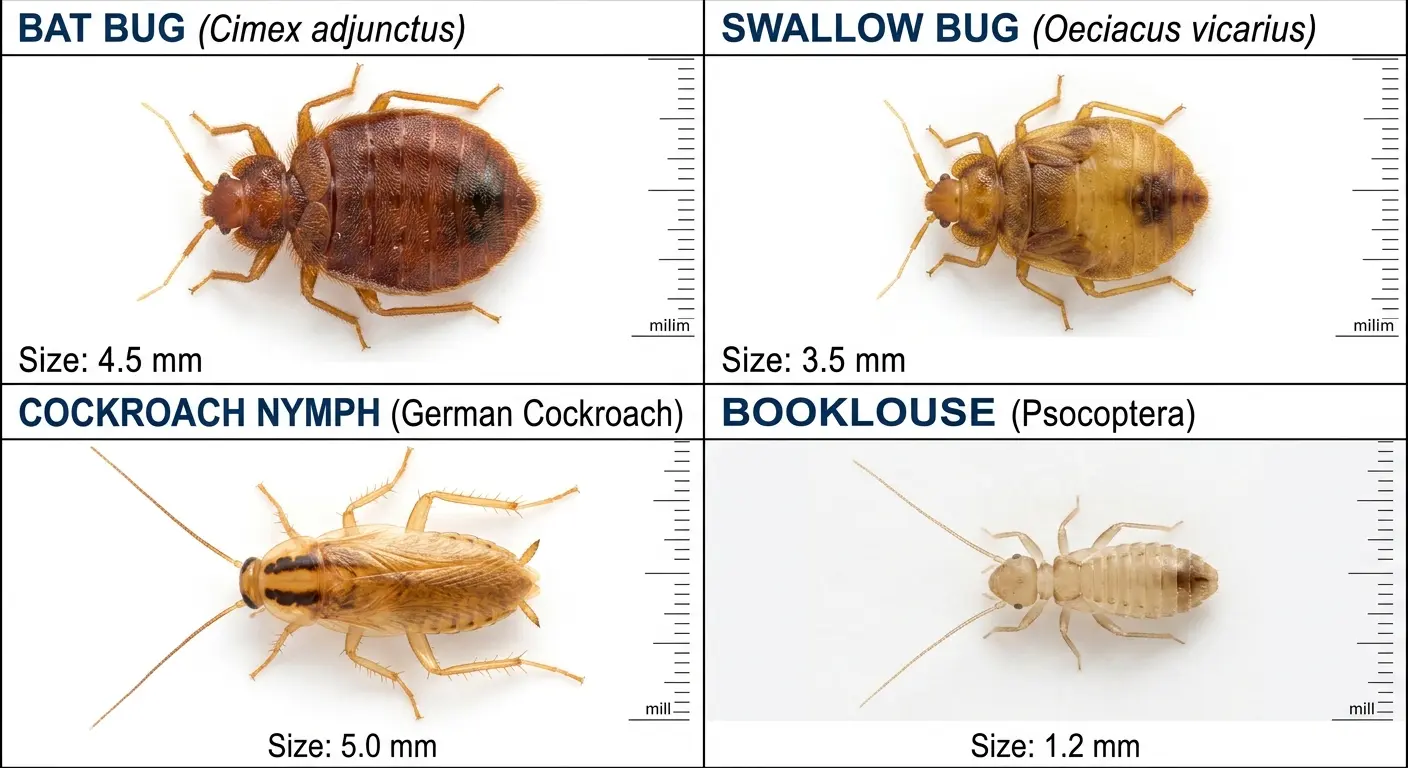
If your specimen exceeds 8 mm, it’s likely not a bed bug at all. Reddit’s r/whatsthisbug community frequently fields posts about “giant bed bugs” that turn out to be bat bugs or other look-alikes — geographic location and where you found it matter for accurate identification.
What to Do When You Find a Giant Bed Bug
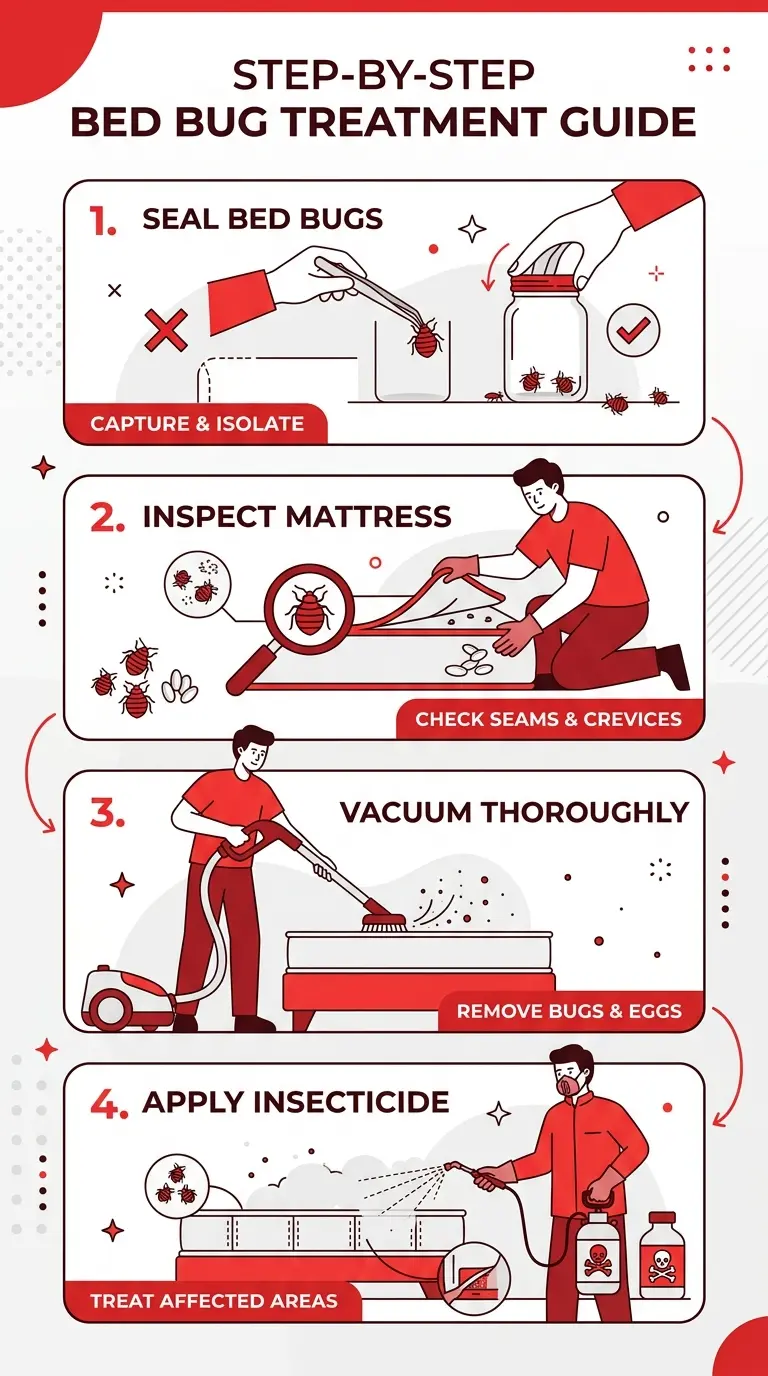
Don’t crush it — that can leave blood stains and make identification harder for a professional. Instead, place it in a sealed container or tape it to a card for inspection. Then check your mattress seams, box spring, and headboard for additional signs: dark fecal spots, shed skins, and eggs.
For severe or persistent infestations, confirm identification first (use our identifier tool and inspect mattress seams, box springs, and bed frames). Then follow our comprehensive treatment plan and recommended tools/products — high-temperature laundering, vacuuming, mattress encasements, and the targeted insecticides and treatment kit described in our treatment guide — until monitoring shows no further activity.
Treatment requires addressing the entire infestation, not just visible adults. The EPA recommends a combination of vacuuming, laundering at high temperatures, and targeted insecticides. Learn more about how big bed bugs are at each life stage to understand your situation better, and check whether you can see bed bugs with the naked eye at other stages.
Is a giant bed bug more dangerous than a regular one?
What is the biggest bed bug in the world?
Why did I find a huge bed bug but no other signs?
Can bed bugs grow bigger in cold climates?
Confirmed bed bugs — what do you actually need to treat them?
Upload one photo and our tool builds your exact treatment kit in under two minutes.