Bed Bug vs Mosquito: The Fastest Way to Tell Them Apart
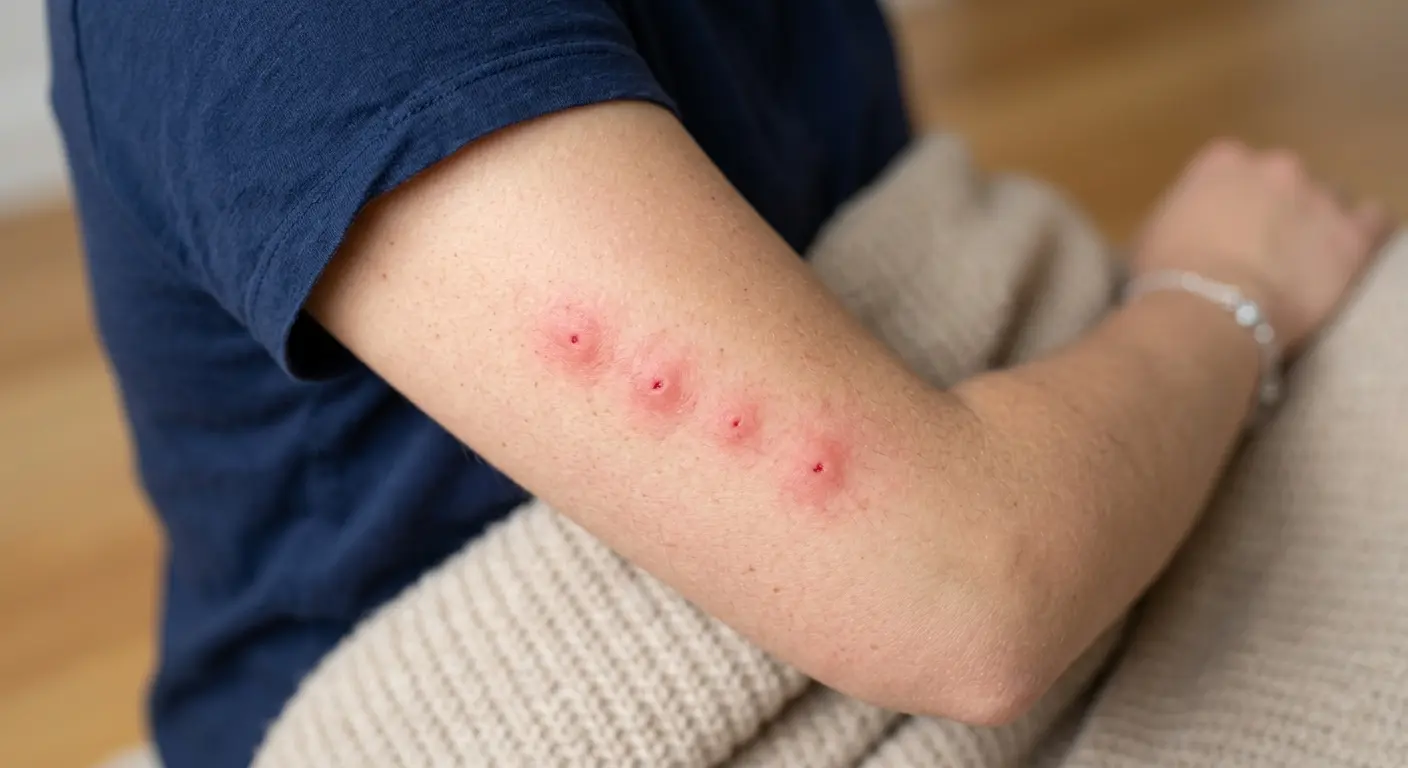
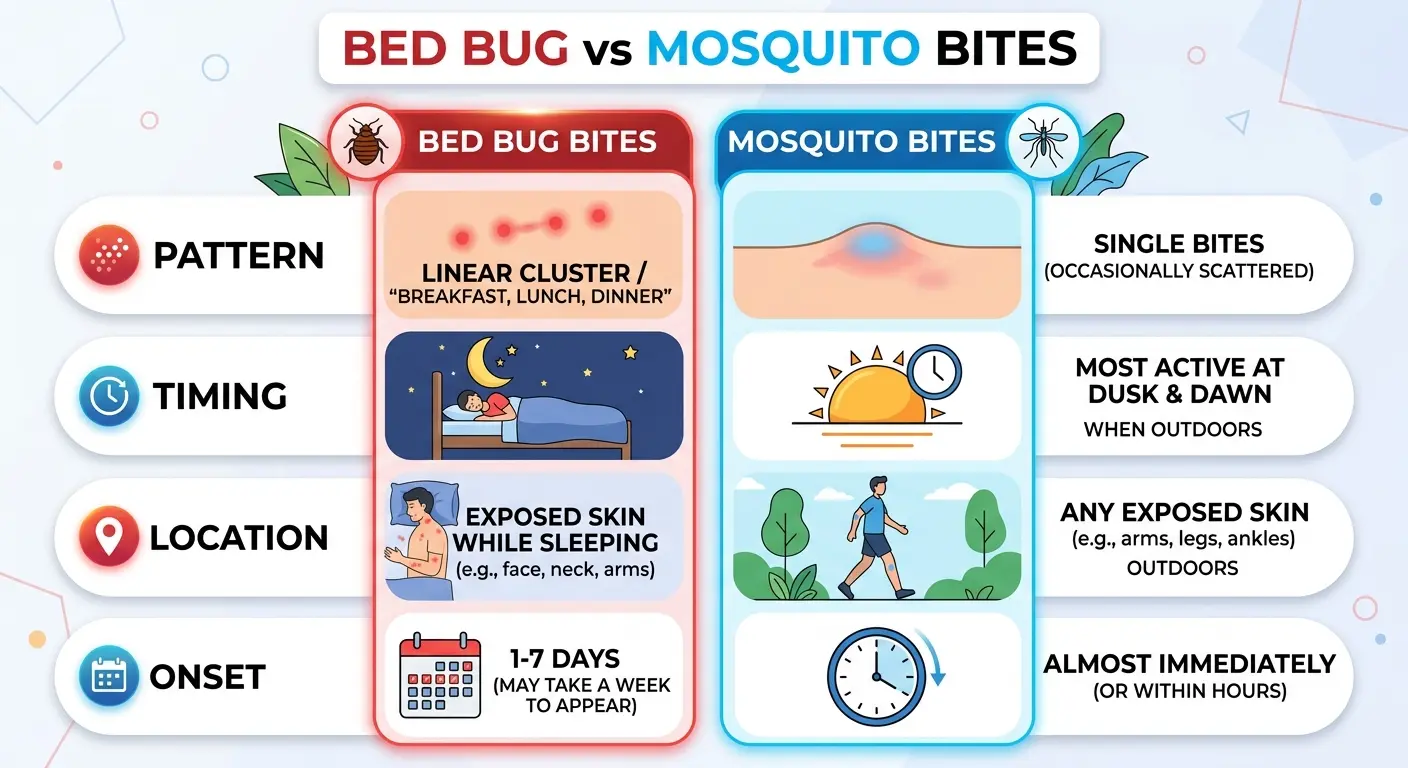
The key difference between bed bug vs mosquito bites comes down to pattern, timing, and location: bed bugs bite in clustered lines or zigzags on exposed skin while you sleep, whereas mosquitoes leave isolated, irregular bites at dusk or dawn, often outdoors. Bed bug bites typically appear in a straight line or small cluster of 3–5 marks on your arms, neck, or legs. Mosquito bites show up as single, random welts on any exposed skin, usually within hours of being outdoors during warmer months.
Bite Appearance and Pattern Differences
Bed bug bites form distinct patterns. According to the CDC, bed bugs inject an anesthetic and anticoagulant when they bite, so you won’t feel it happening — marks appear one to several days later as slightly swollen, red, itchy areas. They often arrange in linear or circular patterns because bed bugs feed multiple times as they crawl across your skin.
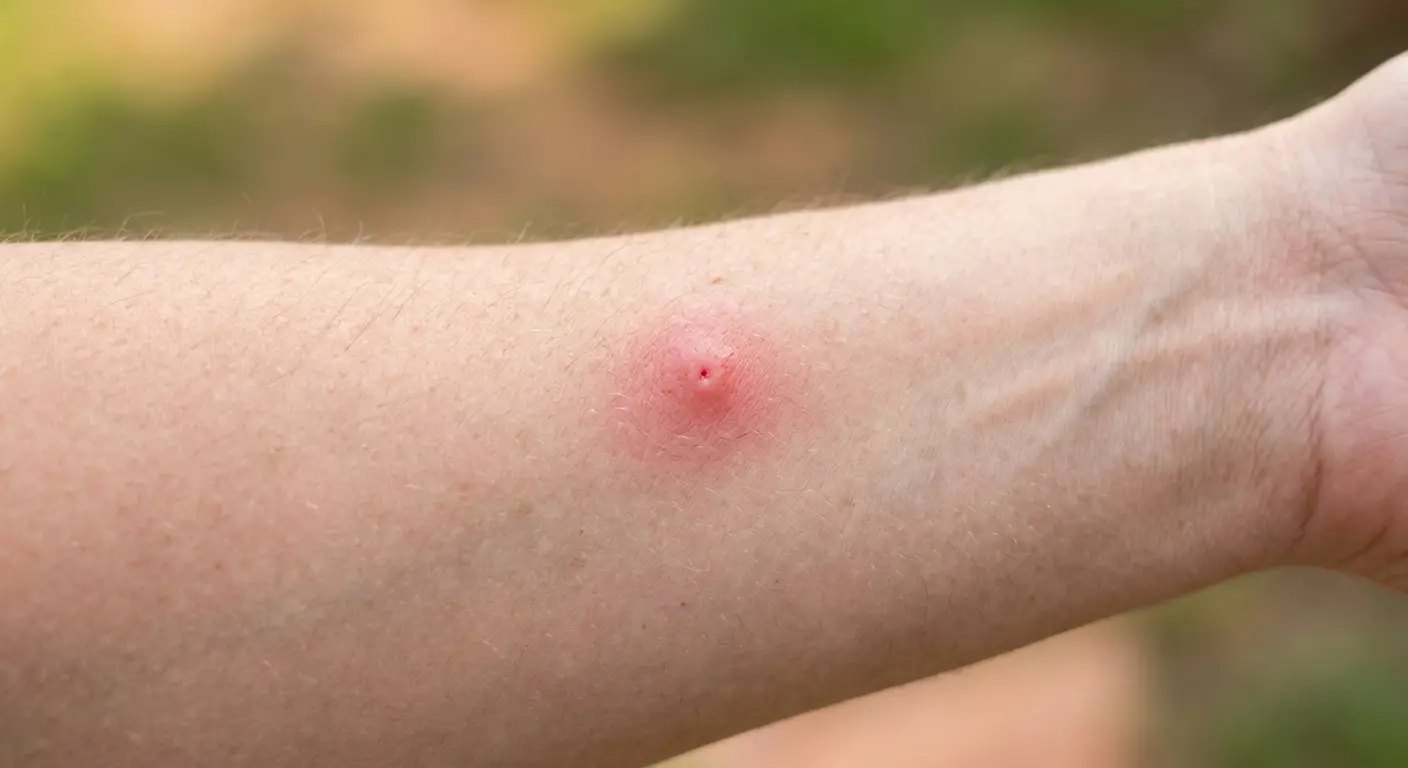
Mosquito bites appear as individual, isolated welts. Each mosquito typically bites once per feeding, leaving scattered marks in irregular patterns. Most guides say mosquito bites always itch immediately — but reactions vary significantly by person, with some experiencing delayed swelling or no itch at all.
Timing and Location Clues
Bed bugs are nocturnal home invaders. If you wake up every morning with new clusters of bites in the same spots, bed bugs are the likely culprit. They bite exposed skin while you sleep — face, neck, arms, and hands.
Mosquitoes are outdoor opportunists. They’re most active at dusk and dawn, especially during warmer months. If you return from an evening walk or backyard time with fresh bites, mosquitoes are the more probable cause.
Health Risks and What to Watch For
Both bites cause itching and irritation, but the risks differ. Mosquitoes can transmit diseases like West Nile virus in some regions. Bed bugs don’t spread disease, but their bites can lead to secondary infections from scratching. Most importantly, bed bugs reproduce quickly — a few hitchhikers can become a full infestation within weeks.
If you’re comparing bites to other pests, explore our guide on bed bug vs other insects for more comparisons.
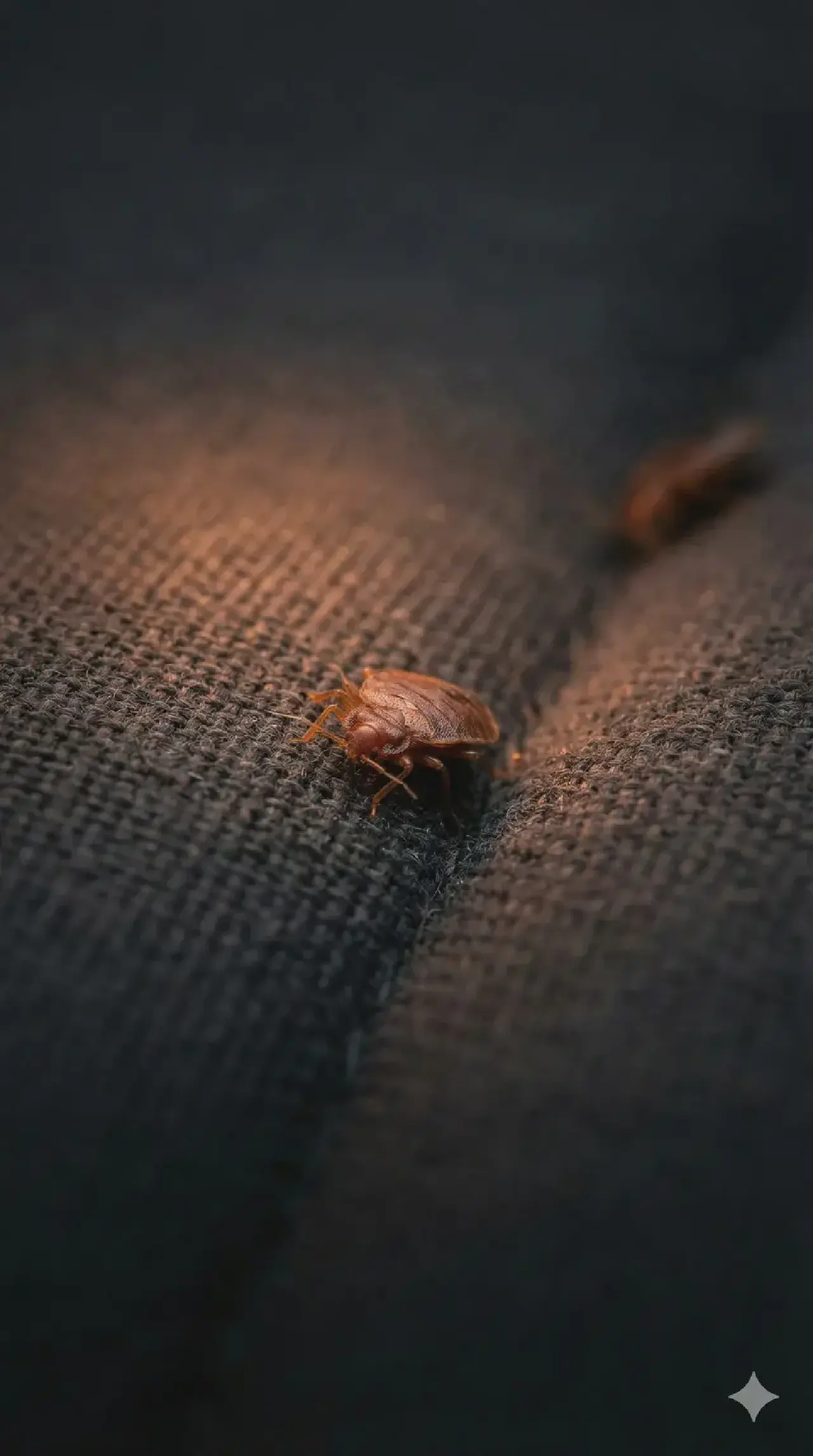
Not sure if those marks are bed bug bites or mosquito bites?
Upload a photo to our identifier tool — get a confirmed answer in under 60 seconds.
Quick Reference Table
| Feature | Bed Bug Bites | Mosquito Bites |
|---|---|---|
| Pattern | Clustered lines or zigzags | Isolated, irregular |
| Timing | While you sleep | Dusk/dawn, outdoors |
| Location | Exposed skin (arms, neck, face) | Any exposed skin |
| Onset | 1–7 days after bite | Hours after bite |
| Feeding | Multiple bites per feeding | One bite per feeding |
When to Take Action
For mosquito bites: Clean the area with soap and water, apply an anti-itch cream, and monitor for signs of infection. Use EPA-registered repellents when outdoors.
For bed bugs: Acting fast prevents a full infestation. Wash all bedding in hot water, vacuum thoroughly, and inspect mattress seams and headboards for signs — dark spots, shed skins, or live bugs.
Still not sure if it's bed bugs or a different insect?
Our AI tool compares your photo against thousands of confirmed cases instantly.
FAQ
Can bed bug bites look exactly like mosquito bites?
How long until bed bug bites appear?
Do bed bugs bite every night?
Can you feel a bed bug bite when it happens?
Bottom Line
The bed bug vs mosquito distinction comes down to three clues: pattern, timing, and location. Clustered bites on your arms or neck each morning point to bed bugs. Random welts after evening outdoor time point to mosquitoes. When in doubt, upload a photo for instant AI identification — accurate answers in under a minute.
Confirmed bed bugs — what do you actually need to treat them?
Upload one photo and our tool builds your exact treatment kit in under two minutes.