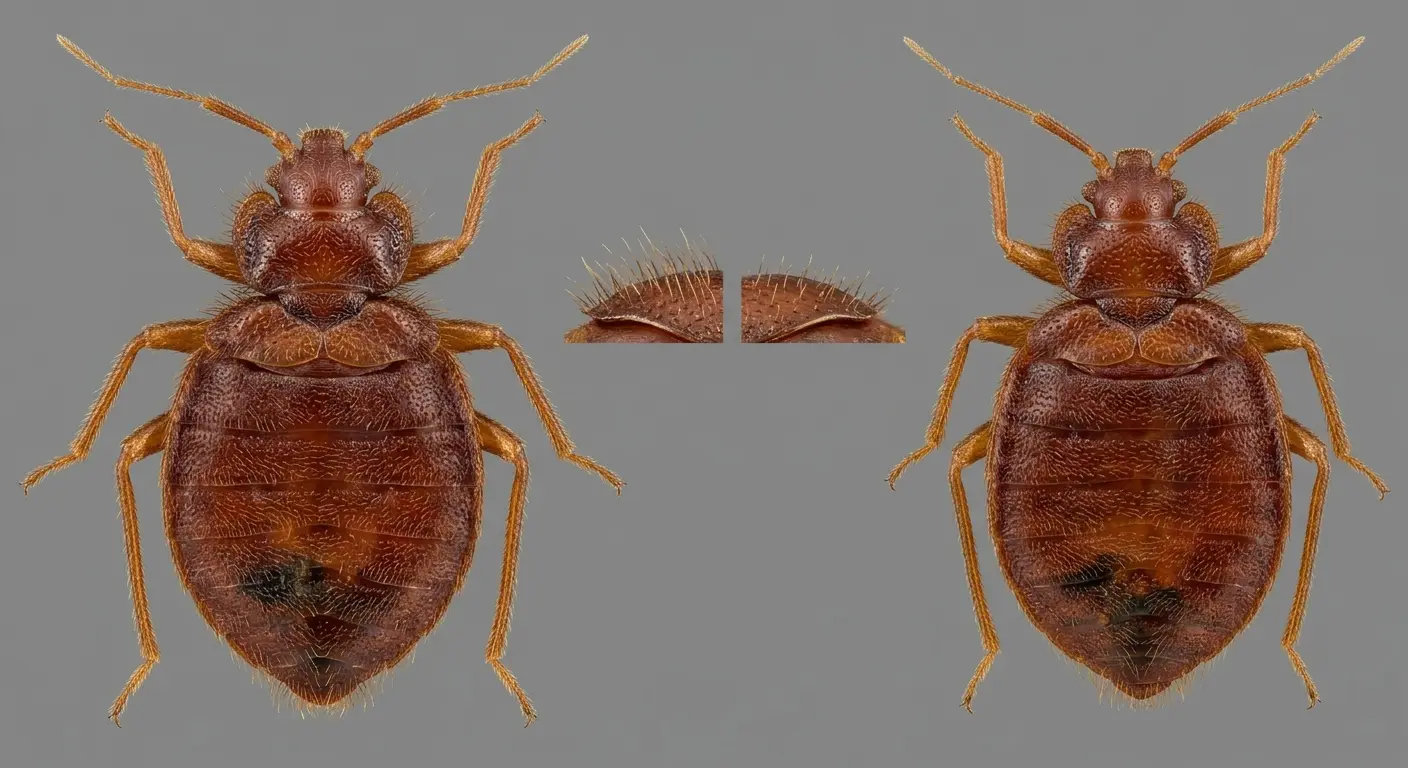
Bat bugs and bed bugs are nearly identical in appearance, but the treatment strategy differs completely depending on which one you have. The single most reliable way to tell them apart is by examining the hairs on their upper thorax — bat bugs have noticeably longer hairs than bed bugs, a difference visible under magnification. This distinction matters because bat bugs typically require eliminating bats from your home first, while bed bugs demand a more aggressive, targeted treatment plan.
What Is the Difference Between a Bat Bug and a Bed Bug?
The key physical difference comes down to microscopic hair length. According to Iowa State University Extension, bed bugs have very short hairs on their pronotum (the plate behind the head) that are always shorter than the width of their eyes. Bat bugs, on the other hand, have longer hairs that exceed the eye width. Without a magnifying lens, these two pests are practically indistinguishable to the naked eye.
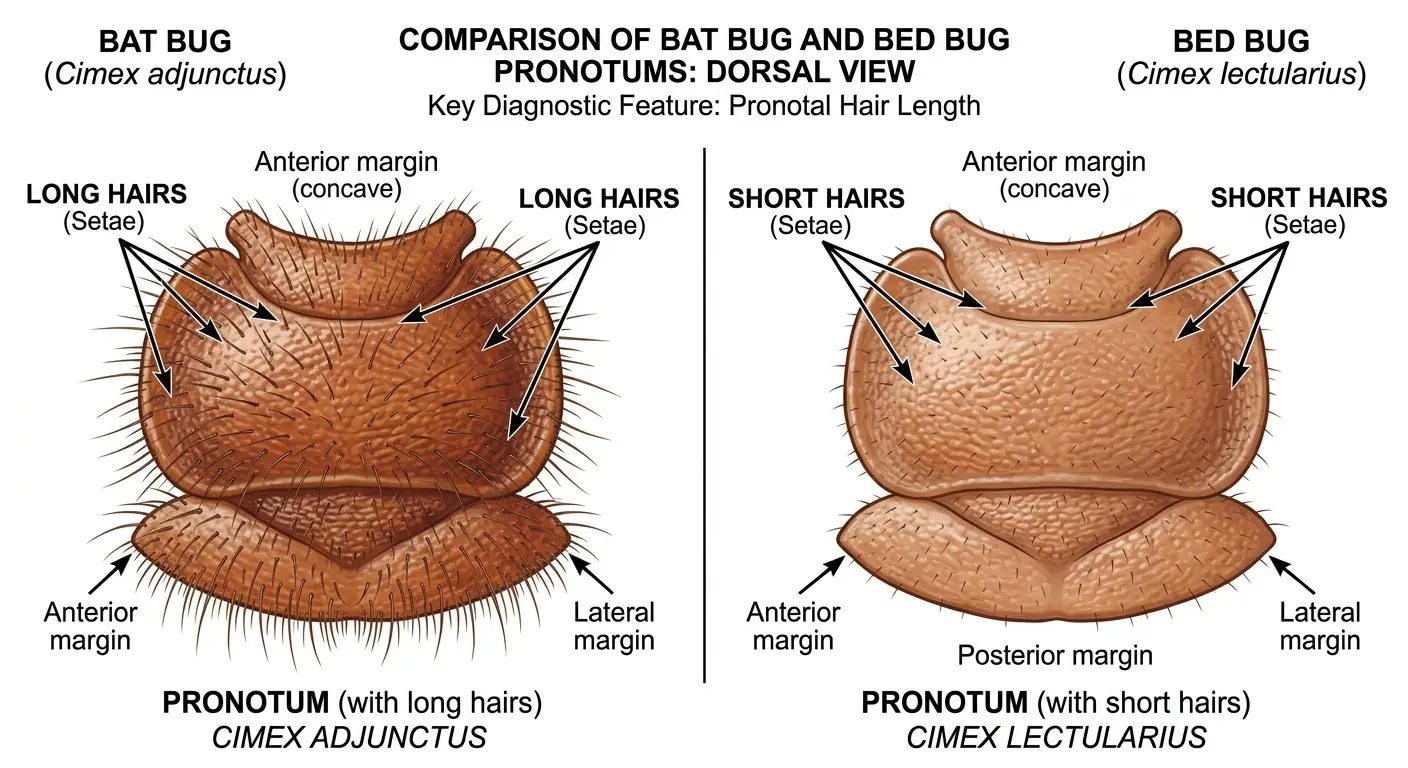
| Feature | Bed Bug | Bat Bug |
|---|---|---|
| Hair length on pronotum | Shorter than eye width | Longer than eye width |
| Primary host | Humans | Bats |
| Location in home | Mattresses, bed frames, baseboards | Attics, chimneys, walls near bat roosts |
| Persistence after host removal | High — can survive months | Low — usually dies off after bats leave |
Where Do You Find Each Pest?
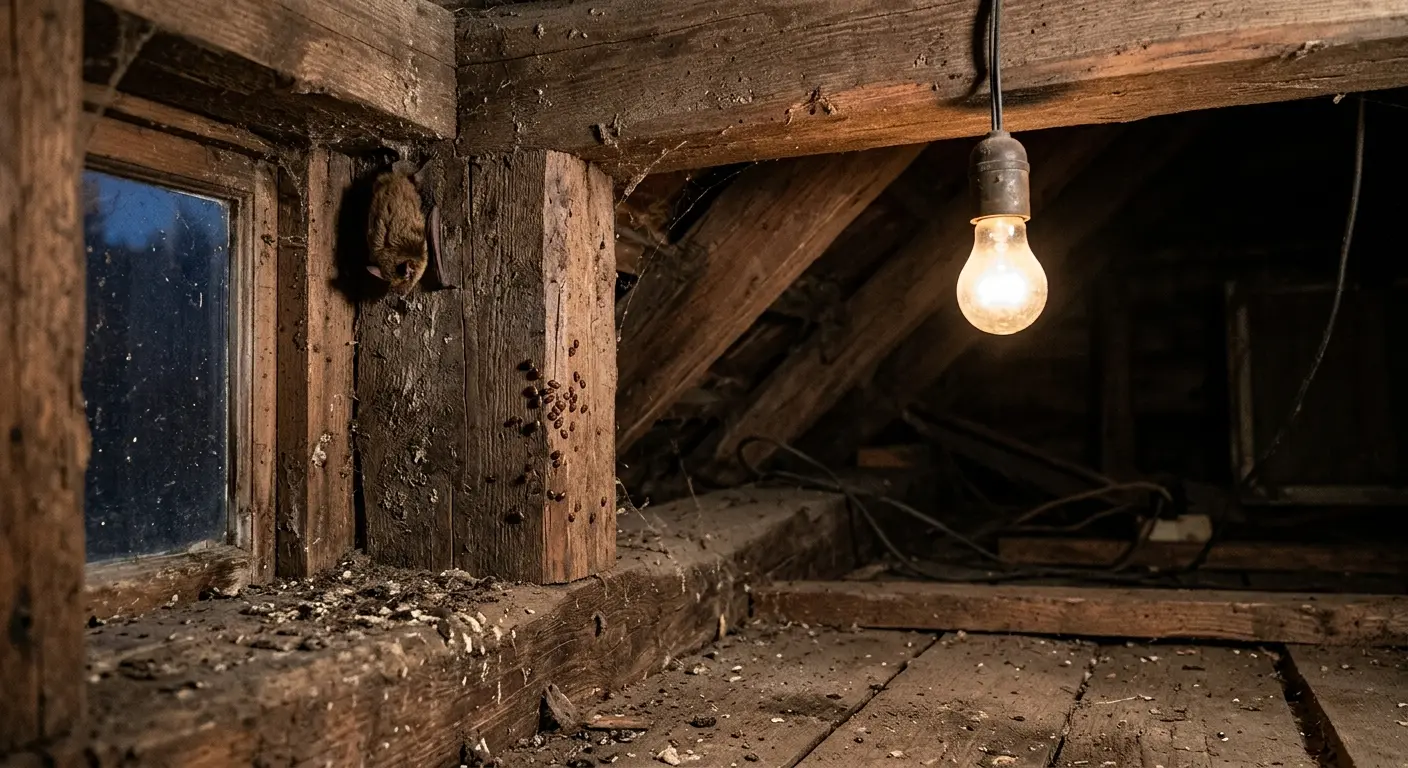
Location is your biggest clue. Bed bugs stay close to where humans sleep — mattress seams, box springs, and bed frames. Bat bugs, however, live near bat roosts in attics, eaves, or chimneys. If you’re finding bed bug-like insects on walls and ceilings rather than on your mattress, this strongly suggests bat bugs and an underlying bat problem in your home.
Does Treatment Differ Between Bat Bugs and Bed Bugs?
Yes, and this is where identification becomes critical. Bed bugs are notoriously resistant to many over-the-counter pesticides; effective control relies on targeted treatment steps and tools that disrupt their reproductive cycle. Bat bugs are less persistent — once you eliminate the bats and seal entry points, the bat bugs typically die off because they lose their food source. However, bat bugs will bite humans when bats are gone, so you can’t simply ignore them.
Most guides say bed bugs and bat bugs require completely different approaches — but the reality is that standard bed bug eradication methods will kill both. The real difference is that bat bugs won’t return if you solve the bat problem, while bed bugs will keep coming back without comprehensive treatment. This is why confirming which pest you have determines whether you need pest control for bats, bed bugs, or both. For more comparisons, see our guide on bed bug vs other insects.
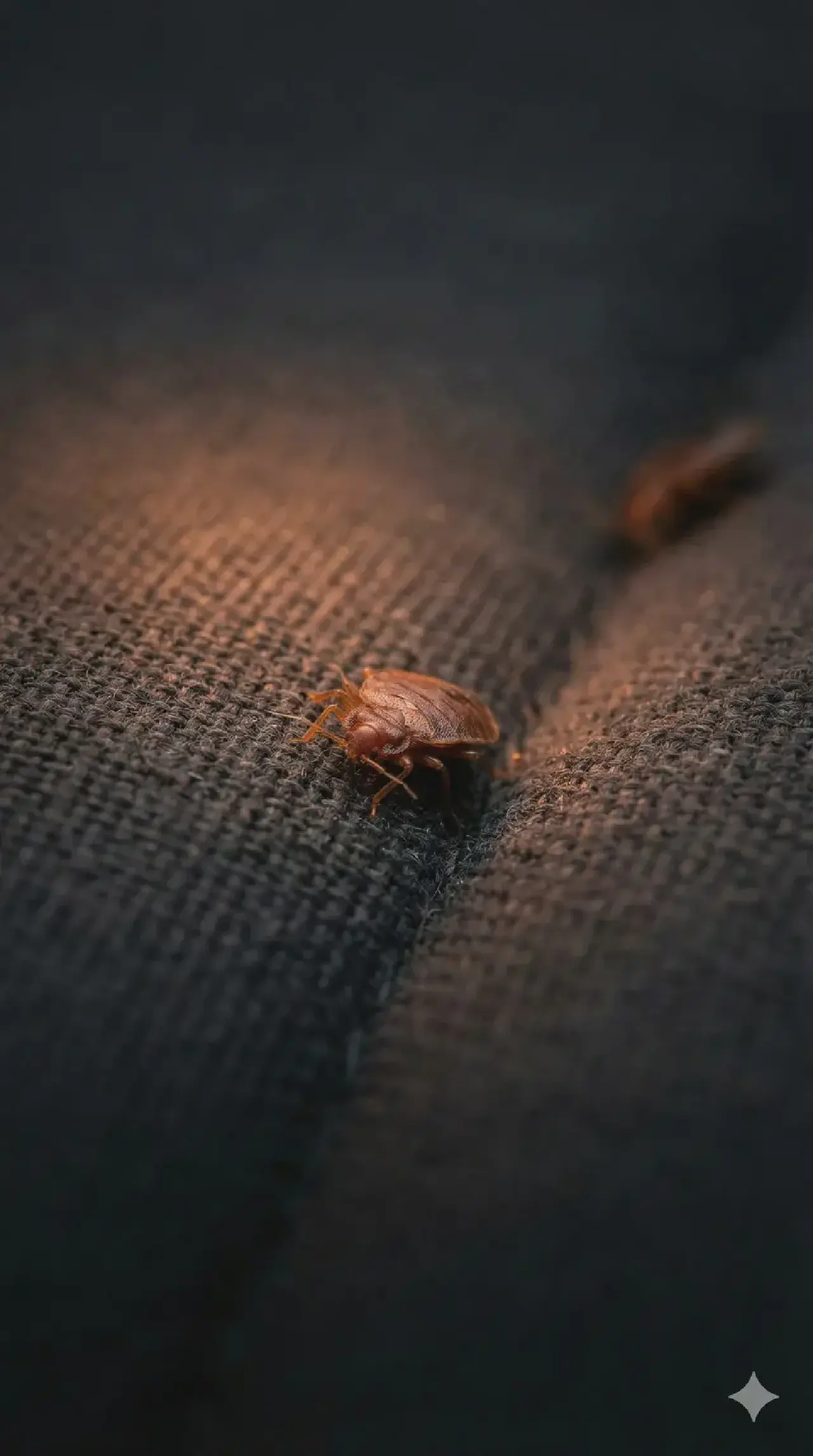
Not sure if those marks are bed bug bites or something else?
Upload a photo to our identifier tool — get a confirmed answer in under 60 seconds.
Can Bat Bugs Infest Your Bed Like Bed Bugs?
Bat bugs can and will bite humans, but they rarely establish long-term infestations in beds. They prefer bat blood and typically remain near their bat hosts. If bats are roosting in your attic, bat bugs may wander down into living spaces and bite sleeping humans, but they won’t multiply in your mattress the way bed bugs do. Once bats are removed and entry points sealed, bat bug populations usually collapse within a few weeks.
How Do You Confirm Which Bug You Have?
You need a hand lens or microscope to see the hair length difference clearly. If you can’t do this yourself, a pest control professional or your local extension office can identify the specimen for you. Iowa State University’s extension article on bed bugs vs. bat bugs provides detailed guidance on what to look for under magnification.
Frequently Asked Questions
What do bat bugs look like vs bed bugs?
Do bat bugs stay on humans?
Will bed bug treatment kill bat bugs?
What Should You Do Next?
If you’ve confirmed bat bugs, your first step is solving the bat problem — call a wildlife removal specialist to exclude bats humanely and seal entry points. Then treat affected areas with a residual insecticide labeled for bed bugs. If you’ve confirmed bed bugs, use a comprehensive treatment plan with proven tools and methods to overcome pesticide resistance. Either way, accurate identification determines whether you’re solving a bat problem or a bed bug problem — or both.
Confirmed bed bugs — what do you actually need to treat them?
Upload one photo and our tool builds your exact treatment kit in under two minutes.