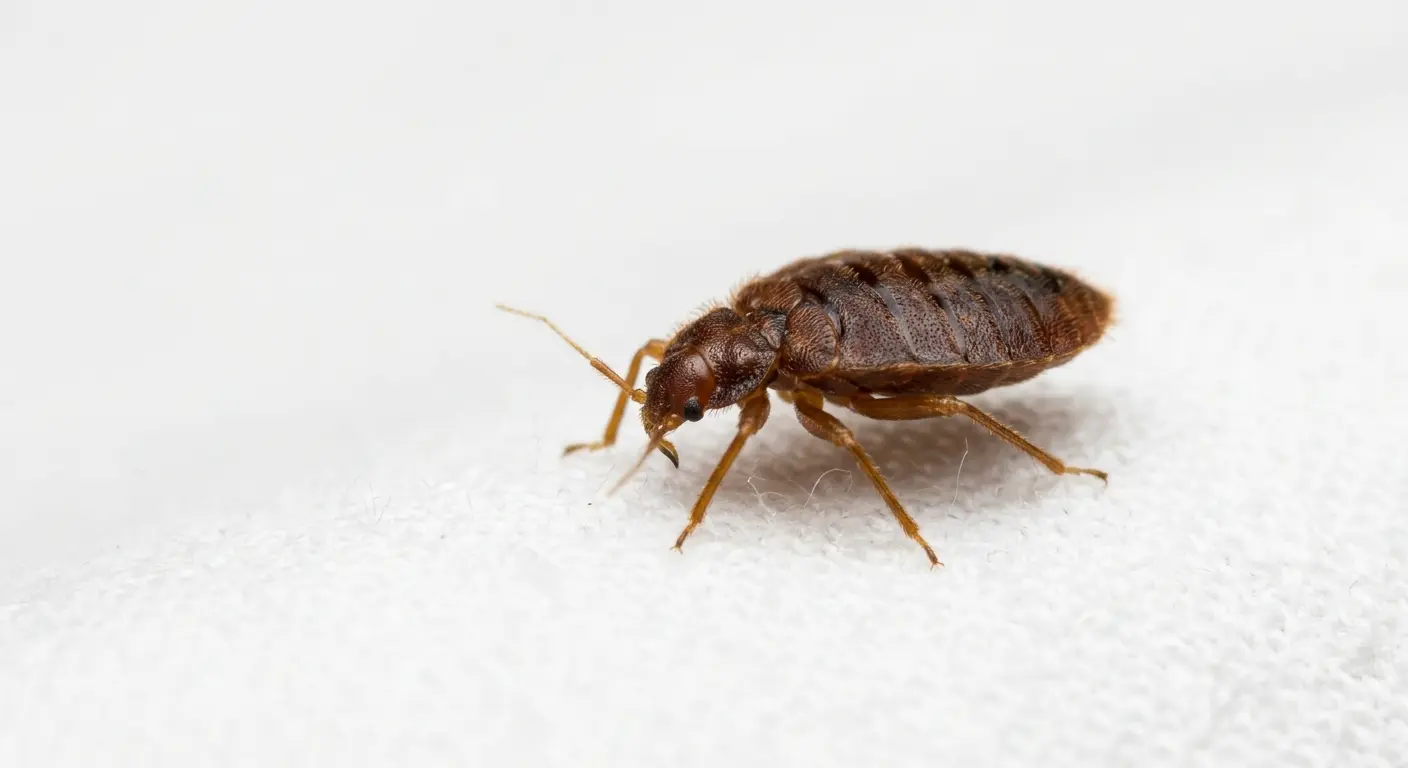
The most common another name for bed bugs is Cimex lectularius, their scientific name — but you’ll also hear them called chinches, red coats, mahogany flats, and wall lice depending on where you live and who you ask. These nicknames aren’t just trivia; knowing them helps you recognize infestations faster and search for the right treatment information. Here’s the complete list of bed bug names you might encounter.
What Are the Most Common Bed Bug Names?
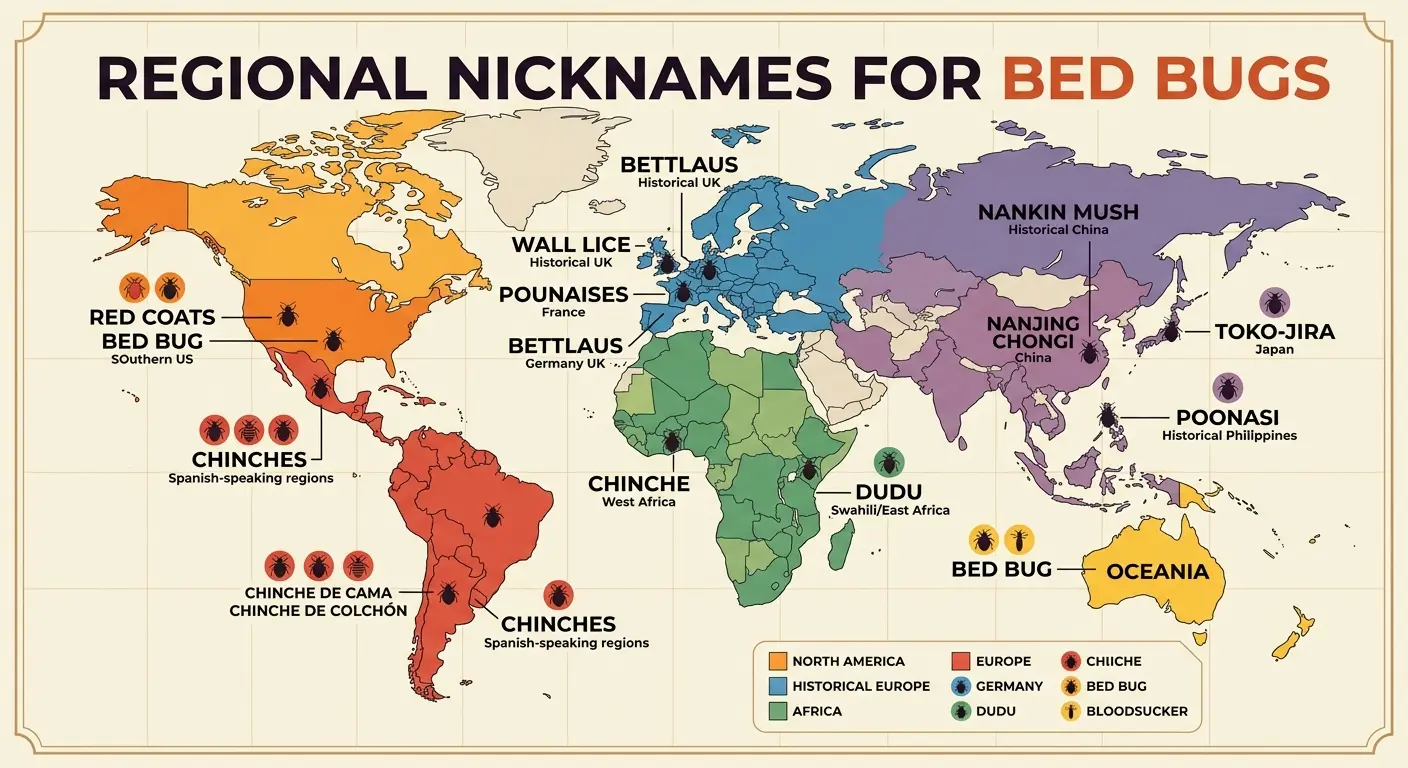
The common bed bug (Cimex lectularius) has collected dozens of regional nicknames over centuries of infesting human dwellings. The Environmental Protection Agency (EPA) and Centers for Disease Control and Prevention (CDC) officially use “bed bug” or “Cimex lectularius” in their public health guidance, but local slang varies widely.
| Common Name | Region/Context | Why It’s Called That |
|---|---|---|
| Chinches | Spanish-speaking regions | From Spanish for “bed bug” |
| Red coats | Southern US | Their reddish-brown color after feeding |
| Mahogany flats | Older US literature | Flat body and dark mahogany color |
| Wall lice | Historical Europe | They hide in wall crevices |
| Night crawlers | Colloquial | They feed at night |
| Bed vermin | Historical | Considered pests in bedding |
Where Do Regional Bed Bug Names Come From?
Chinches is the most widely used Spanish term, and in Mexico and Central America, you’ll often hear “chinche de cama” to specify bed bugs versus other chinches. This distinction matters because “chinche” alone can refer to several insects — the US Environmental Protection Agency notes that proper identification is the first step in any pest control plan.
Red coats and mahogany flats both describe the insect’s appearance after a blood meal. The CDC’s pest control resources describe bed bugs as “mahogany-colored” and “flattened” — exactly what inspired these folk names. If someone tells you they have “red coats” in their mattress, they’re almost certainly talking about bed bugs.
What Are the Scientific Names for Bed Bugs?
The scientific name Cimex lectularius comes from Latin: cimex means “bug” and lectularius means “of the bed.” The National Institutes of Health (NIH) uses this Latin name in medical literature when discussing dermatologic reactions to bed bug bites. A related species, Cimex hemipterus, is the tropical bed bug found in warmer climates.
Most guides list only the Latin names — but here’s what they miss: the NIH’s medical databases show that “kissing bug” is sometimes confused with bed bugs, yet they’re entirely different insects. Kissing bugs (Triatoma species) transmit Chagas disease, while bed bugs do not. This confusion leads people to panic about the wrong pest.
Why Knowing Bed Bug Names Matters for Treatment
When you search for “name of bed bugs” and find “chinches bed bugs,” you’re likely in a Spanish-speaking household or neighborhood. This matters because treatment instructions and product labels are often language-specific, and the EPA provides bilingual resources for pest management.
Another non-obvious insight: the term “bed vermin” in historical documents referred to a broader category of pests — including fleas and lice — not just bed bugs. The CDC’s historical records show that what our grandparents called “bed bugs” might have been several different insects. If you’re reading older treatment advice, verify the pest matches modern bed bug identification.
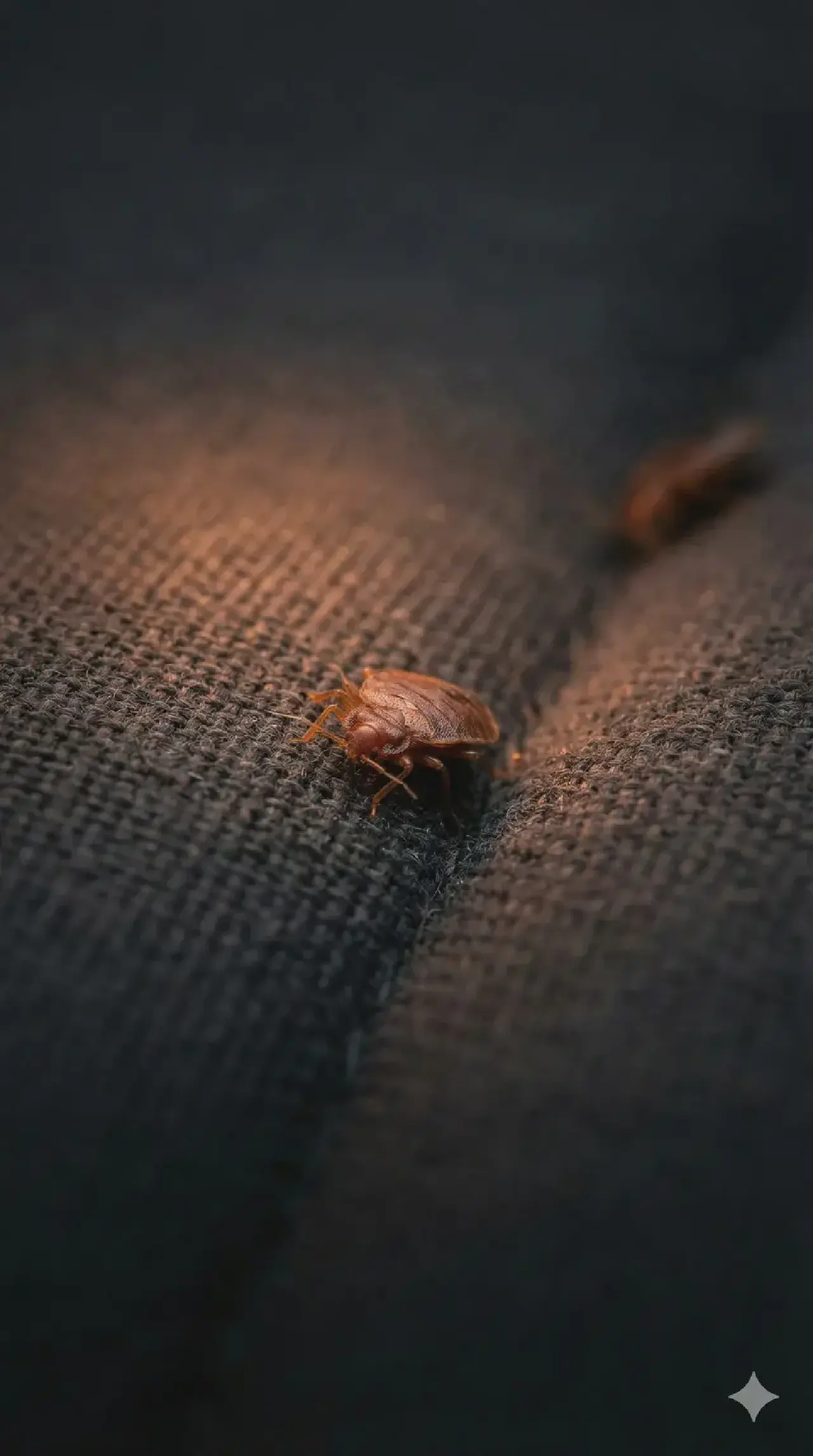
Not sure if those marks are bed bug bites or something else?
Upload a photo to our identifier tool — get a confirmed answer in under 60 seconds.
How to Identify Bed Bugs Regardless of What You Call Them
Whatever name you use, bed bugs share the same identifying features: oval-shaped bodies, reddish-brown color, about the size of an apple seed, and a distinctive musty odor. The American Academy of Dermatology (AAD) recommends looking for bite patterns — typically in a line or cluster — along with dark spots on sheets that are dried blood or fecal matter.
If you’re dealing with what you call “chinches” or “red coats,” the treatment approach is identical. See our guide on bed bug species and names to confirm you’re dealing with the right pest before starting treatment.
Still not sure if it's bed bugs or a different insect?
Our AI tool compares your photo against thousands of confirmed cases instantly.
Frequently Asked Questions About Bed Bug Names
What is the most common another name for bed bugs?
Are chinches bed bugs or a different insect?
What do professionals call bed bugs?
Why are bed bugs called red coats?
Take Action Against Bed Bugs No Matter What You Call Them
Whether you call them chinches, red coats, or bed bugs, the treatment is the same — and the sooner you act, the easier they are to eliminate. Bed bugs reproduce quickly, with females laying up to five eggs per day, so early identification is critical.
Confirmed bed bugs — what do you actually need to treat them?
Upload one photo and our tool builds your exact treatment kit in under two minutes.