Baby Bed Bug Stages (Instars)
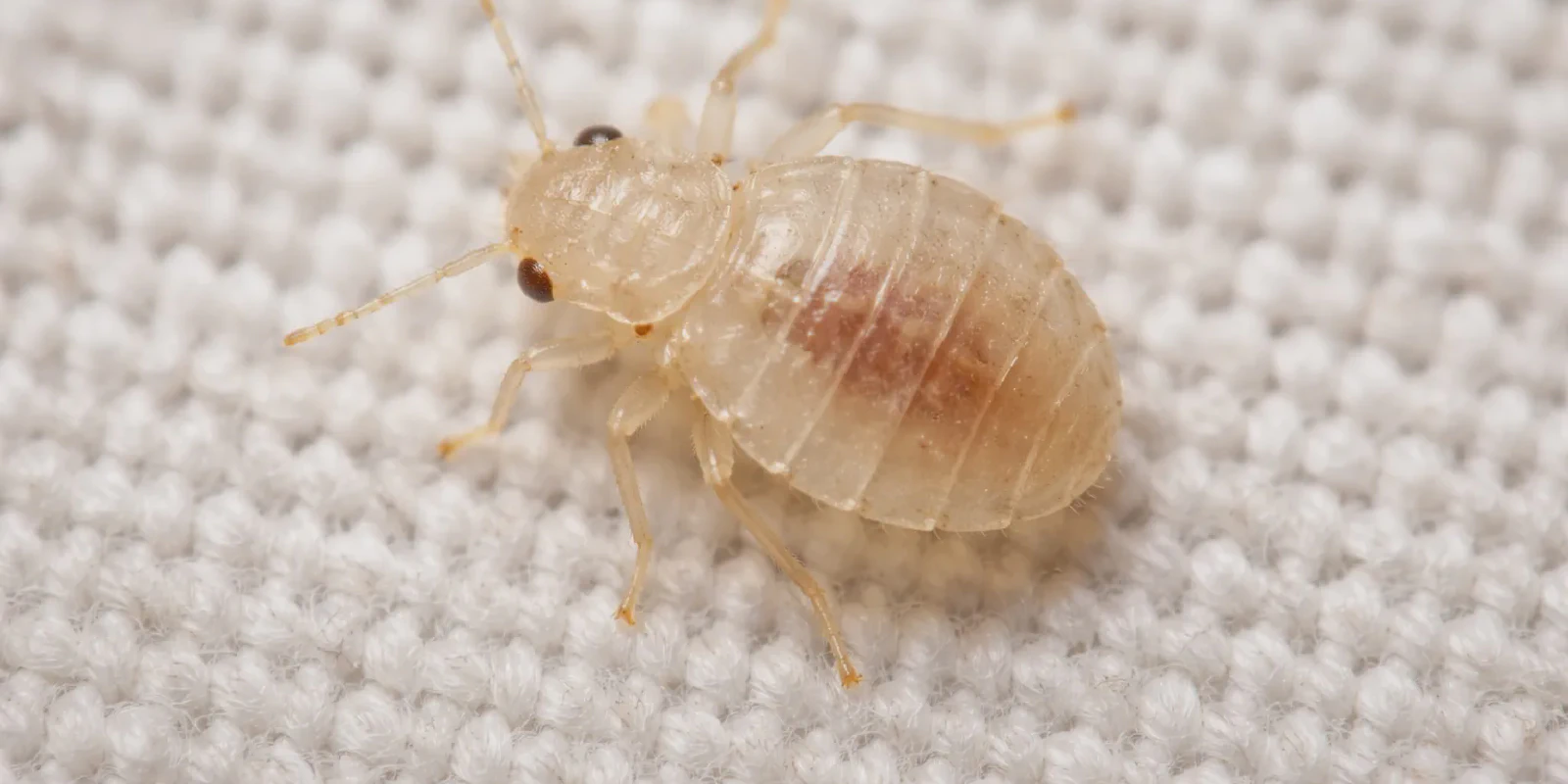
Baby bed bug stages, also called instars, refer to the five nymph phases bed bugs go through before becoming adults. Each stage looks slightly different, grows larger after feeding, and becomes easier to see over time. Understanding these stages matters because early instars are often present long before an infestation is obvious.
Below is a clear breakdown of all five bed bug nymph stages, how they change, and why the earliest stages are so often missed.
The 5 Baby Bed Bug Stages Explained
1. First Instar (Newly Hatched Nymph)
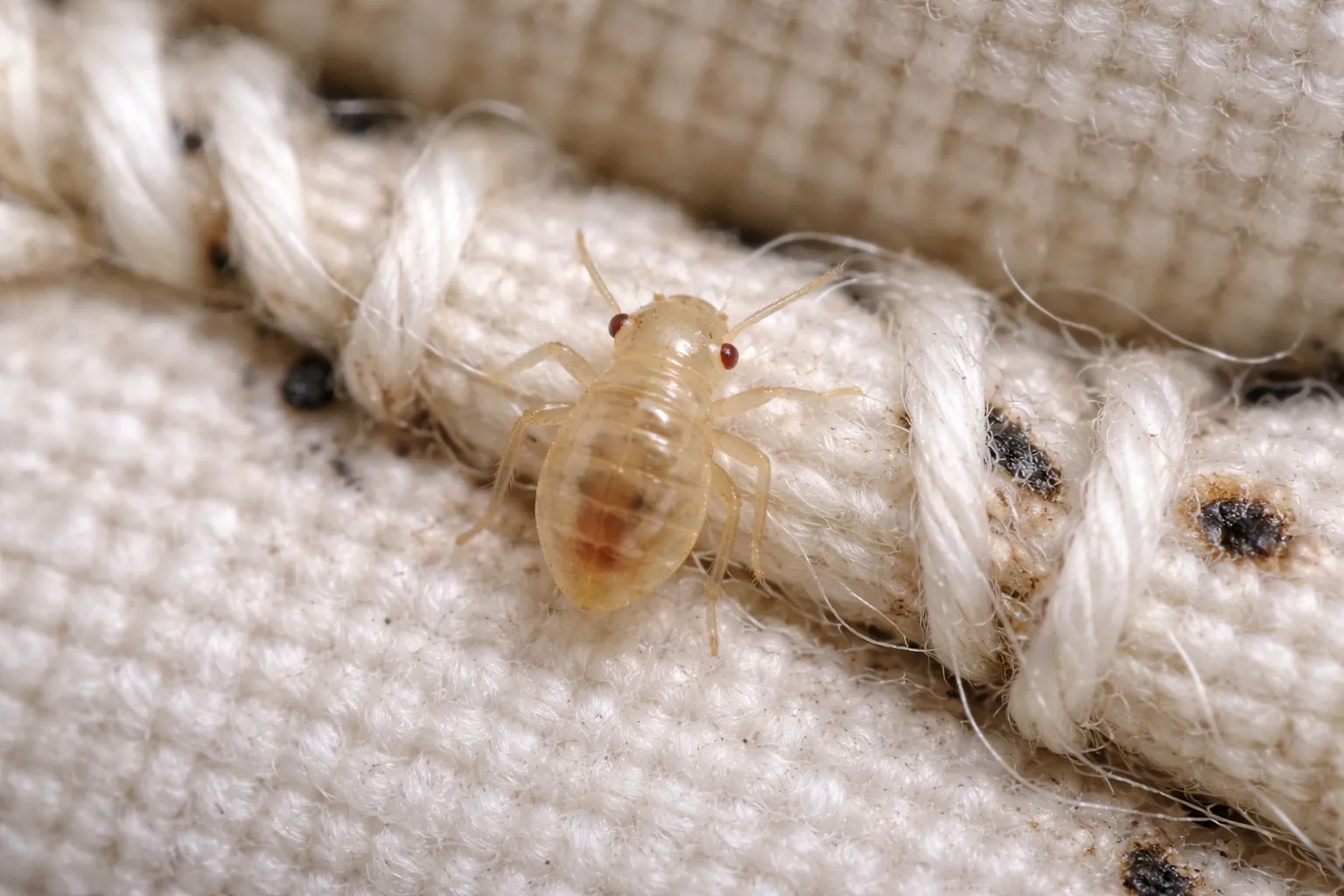
First instar nymphs hatch from eggs at about 1 mm long. They are almost completely translucent and flat before feeding. After their first blood meal, they turn pale red and slightly larger. At this stage, they are extremely difficult to spot unless you are actively inspecting seams or cracks under bright light.
2. Second Instar
Second instar nymphs grow to roughly 1.5 mm. Their bodies are still light in color but begin to look more yellow or off-white between feedings. After feeding, the red blood inside is clearly visible through the abdomen. Many people mistake these for dust specks or skin flakes.
3. Third Instar
By the third instar, nymphs reach around 2–2.5 mm. Their shape becomes more recognizable as a bed bug, and they start to resemble very small adults. Visibility improves, but they are still easy to miss on light-colored bedding or mattresses.
4. Fourth Instar
Fourth instar nymphs are about 3–3.5 mm long. Their bodies appear thicker, and their tan coloration is more noticeable even when unfed. At this stage, they are much easier to see during inspections.
5. Fifth Instar
The fifth instar is the final baby bed bug stage before adulthood. These nymphs are around 4–4.5 mm and look very similar to adult bed bugs, just smaller. Most people can see them clearly with the naked eye.
Why Early Instar Stages Are Hardest to Detect
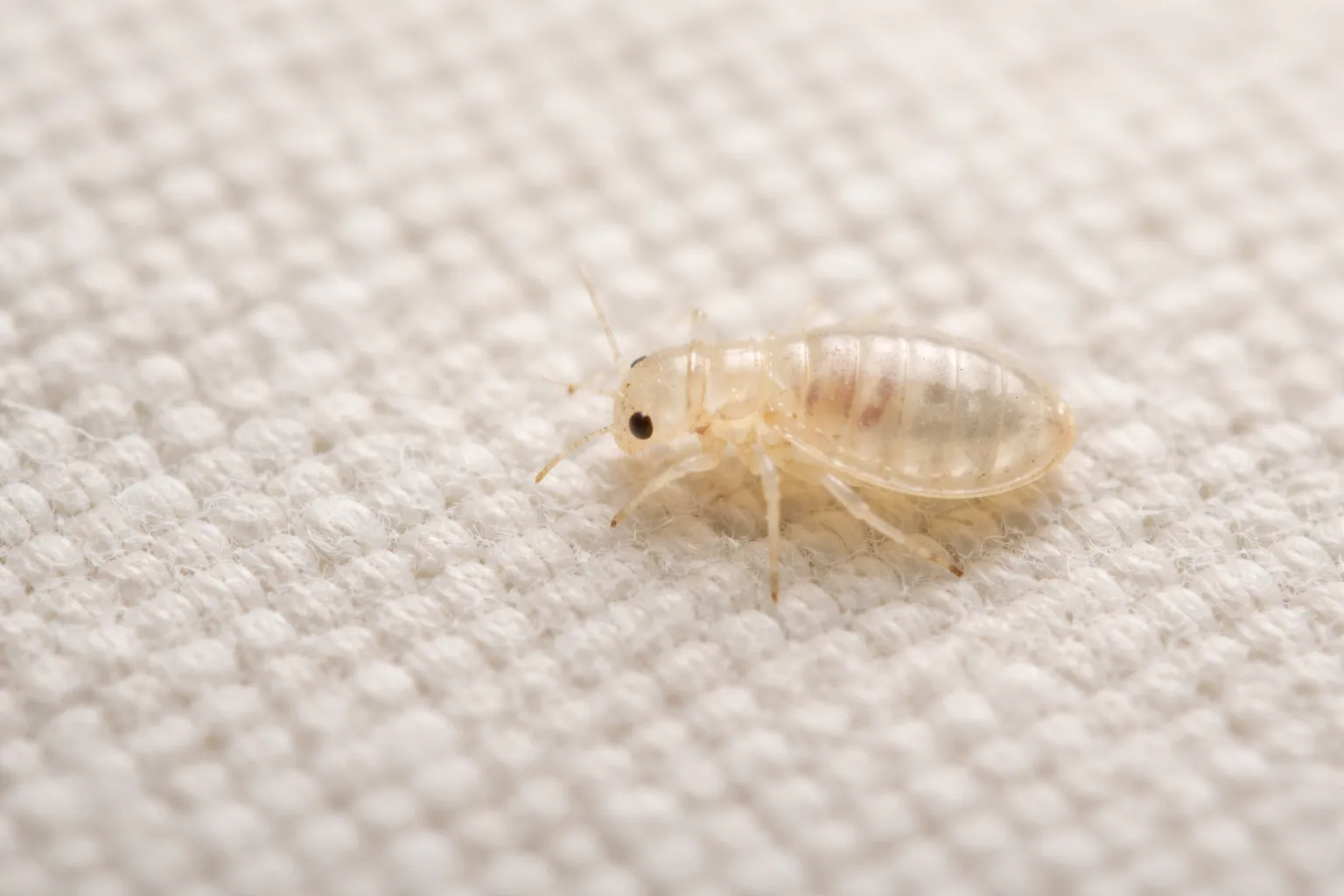
The first and second instar stages are the most commonly overlooked. Their small size, translucent bodies, and tendency to hide in tight crevices make them nearly invisible during casual inspections. This is why infestations often grow unnoticed until later nymph stages appear.
If you want exact measurements for each stage, see our detailed breakdown of baby bed bug size. Color changes across stages are explained in our guide on what color are baby bed bugs. For visibility concerns, we also cover whether can you see baby bed bugs.
Found Tiny Bugs or Shed Skins?
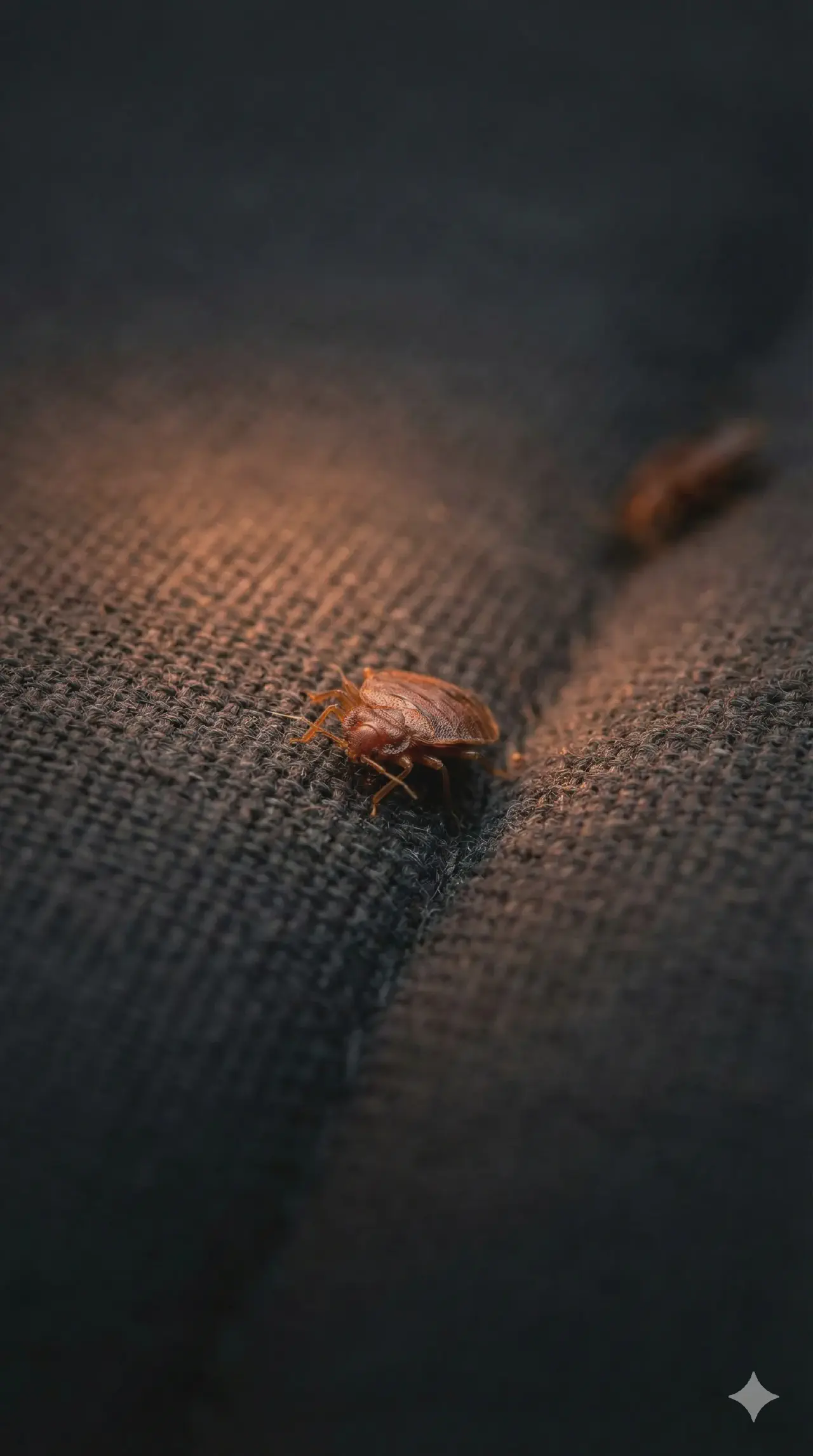
Early instar nymphs are often translucent and only turn red after feeding. If you’ve found insects matching these small, pale descriptions in mattress seams or cracks, upload photos to confirm what you’re seeing.
How Professionals Use Instar Stages
Pest professionals use instar stages to estimate how long an infestation has been active. Finding multiple nymph stages at once usually indicates ongoing reproduction, not a recent introduction. Even a single early instar suggests eggs have already hatched nearby.
For a complete overview that ties nymph stages together with eggs, adults, and hiding behavior, see the full Baby Bed Bugs Identification Guide.
Ready to Act With Confidence?
Now that you understand all five baby bed bug stages and how they change, upload photos of any nymphs, shed skins, or stains you’ve found to get expert-level confirmation.
- Are Bed Bugs Ever Black? The Real Color Range + What ‘Black Bed Bugs’ Usually Are
- Bed Bug Color by Stage: Eggs → Nymphs → Adults (Exact Sizes + Colors)
- Before vs After Feeding: Why Bed Bugs Change Color (Tan → Red → Dark)
- Can Bed Bugs Be Green or Orange? Not a Bed Bug — Here’s What It Likely Is
- Tiny Red Bug in Bed? When Bed Bugs Turn Red (Fed Nymphs vs Look-Alikes)
- White or Translucent Bugs on Mattress? Eggs, Nymphs, or Shed Skins Explained