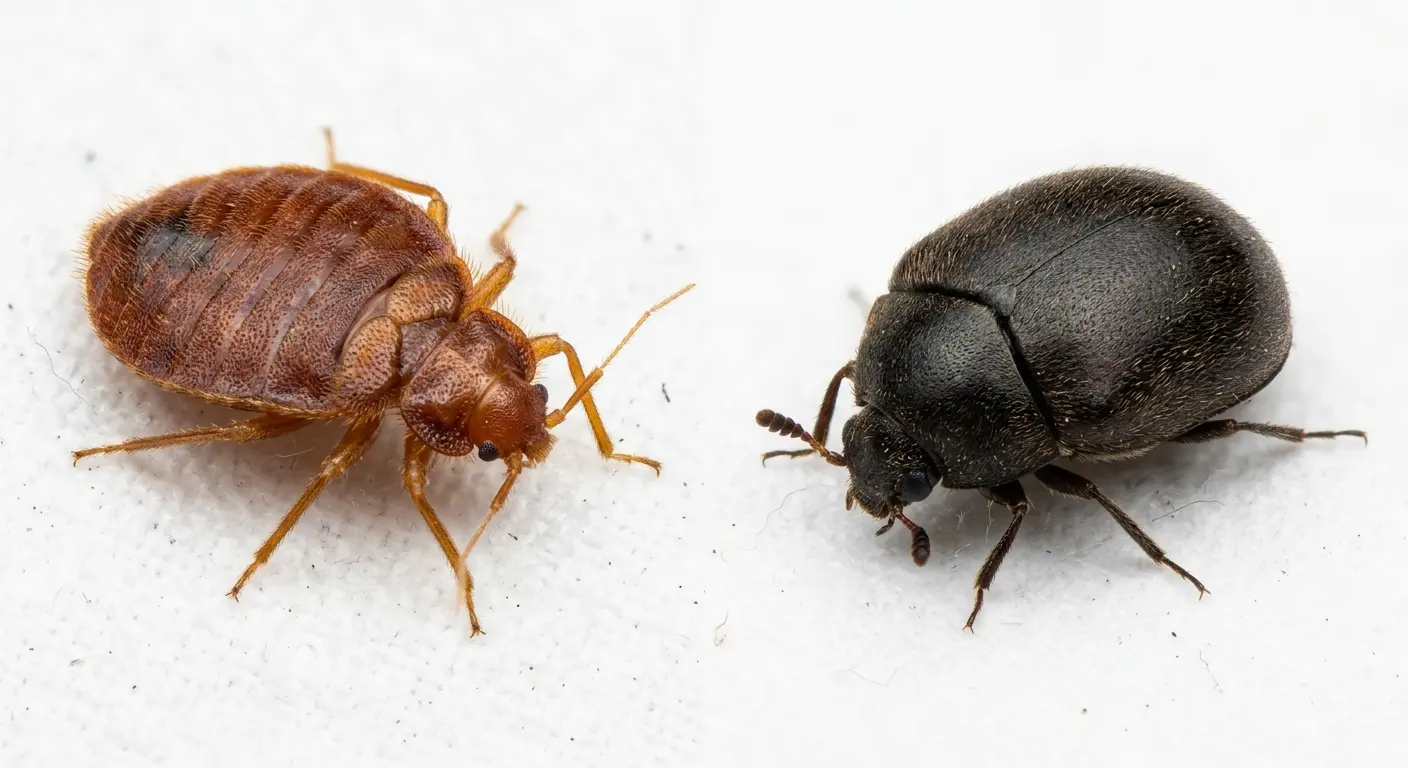
No, bed bugs are never black — they range from translucent pale to reddish-brown depending on when they last fed. If you found a truly black bug in your bed, it’s almost certainly a carpet beetle, booklouse, or another insect entirely. Understanding the difference between black bugs and actual bed bugs is critical because it determines whether you need treatment or simply a thorough vacuuming.
Are Bed Bugs Black or Brown?
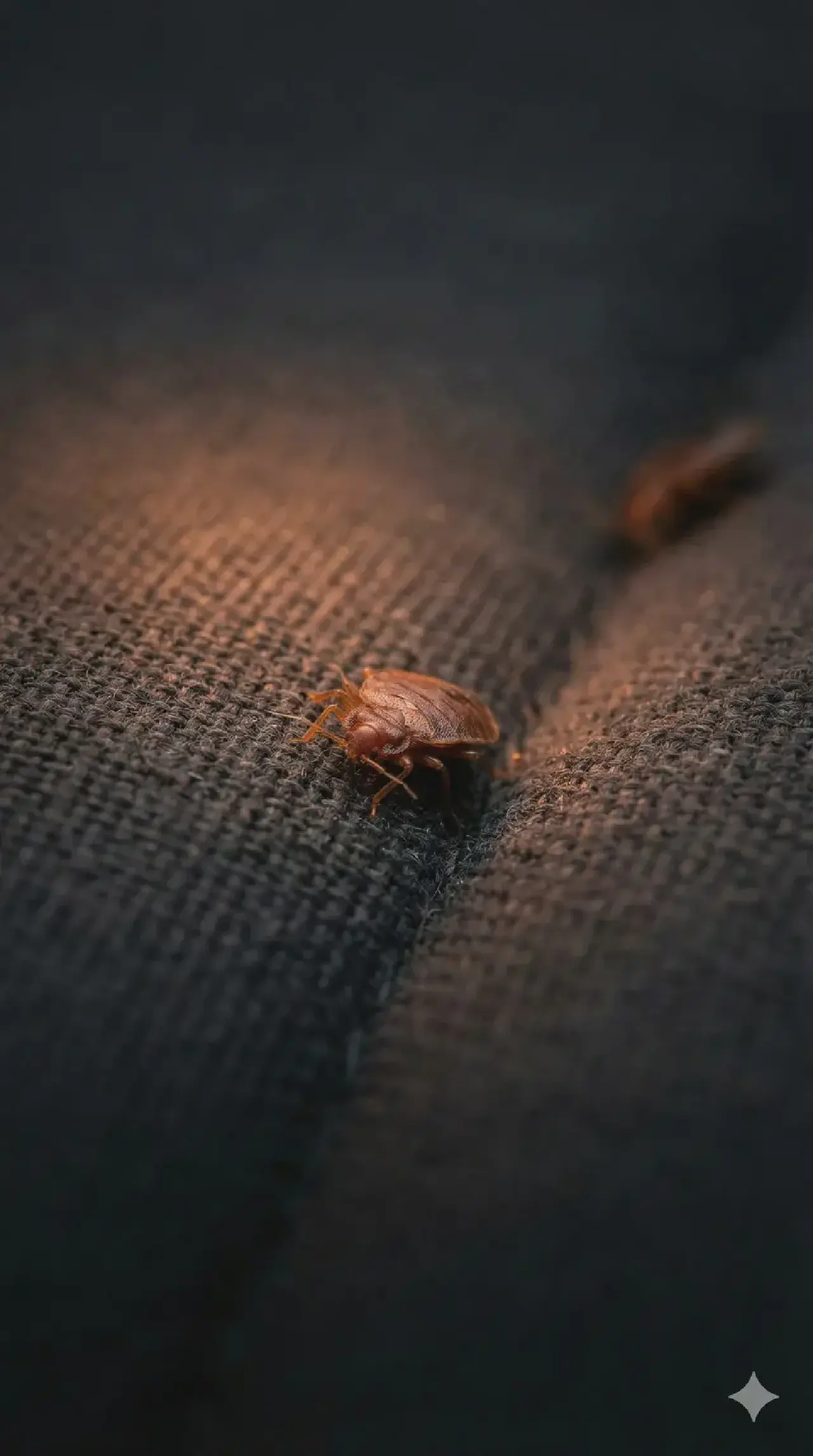
Bed bugs are never black at any stage of their lifecycle. Newly hatched nymphs appear nearly translucent or pale yellow, while unfed adults are a flat, mahogany brown. After feeding, their bodies swell and darken to a deep reddish-brown — but never jet black. Entomologists note that bed bugs’ coloration comes from the blood they digest, which shows through their semi-translucent exoskeleton. If the insect you found is uniformly dark black, it’s not a bed bug.
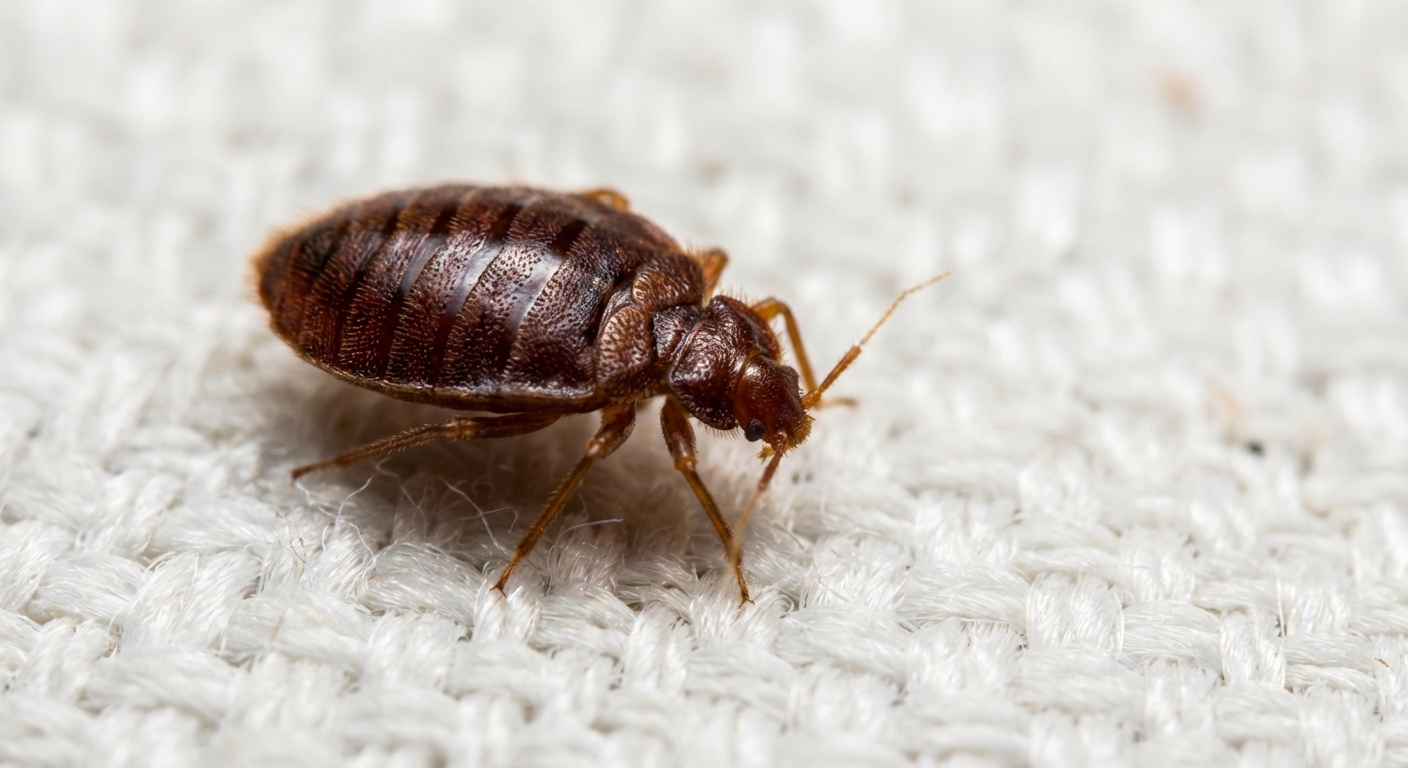
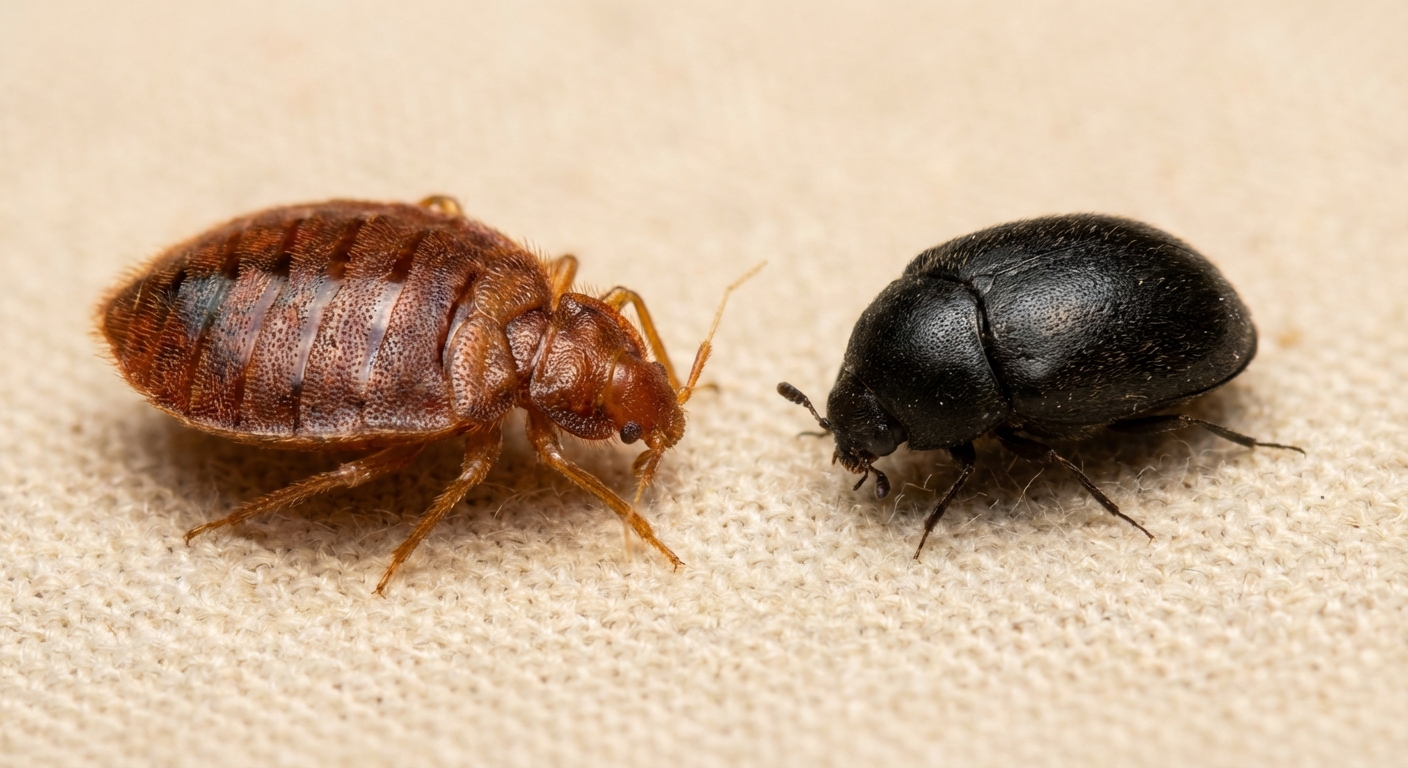
Most guides simply say “bed bugs are brown” — but the more useful distinction is that bed bugs are only brown when unfed. A freshly-fed bed bug can appear so dark that homeowners mistake it for black, especially in dim bedroom lighting. The key difference? Fed bed bugs have an elongated, bloated shape, while true black insects like carpet beetles maintain a round, hard-shelled appearance.
What Are the Black Bugs in Your Bed?
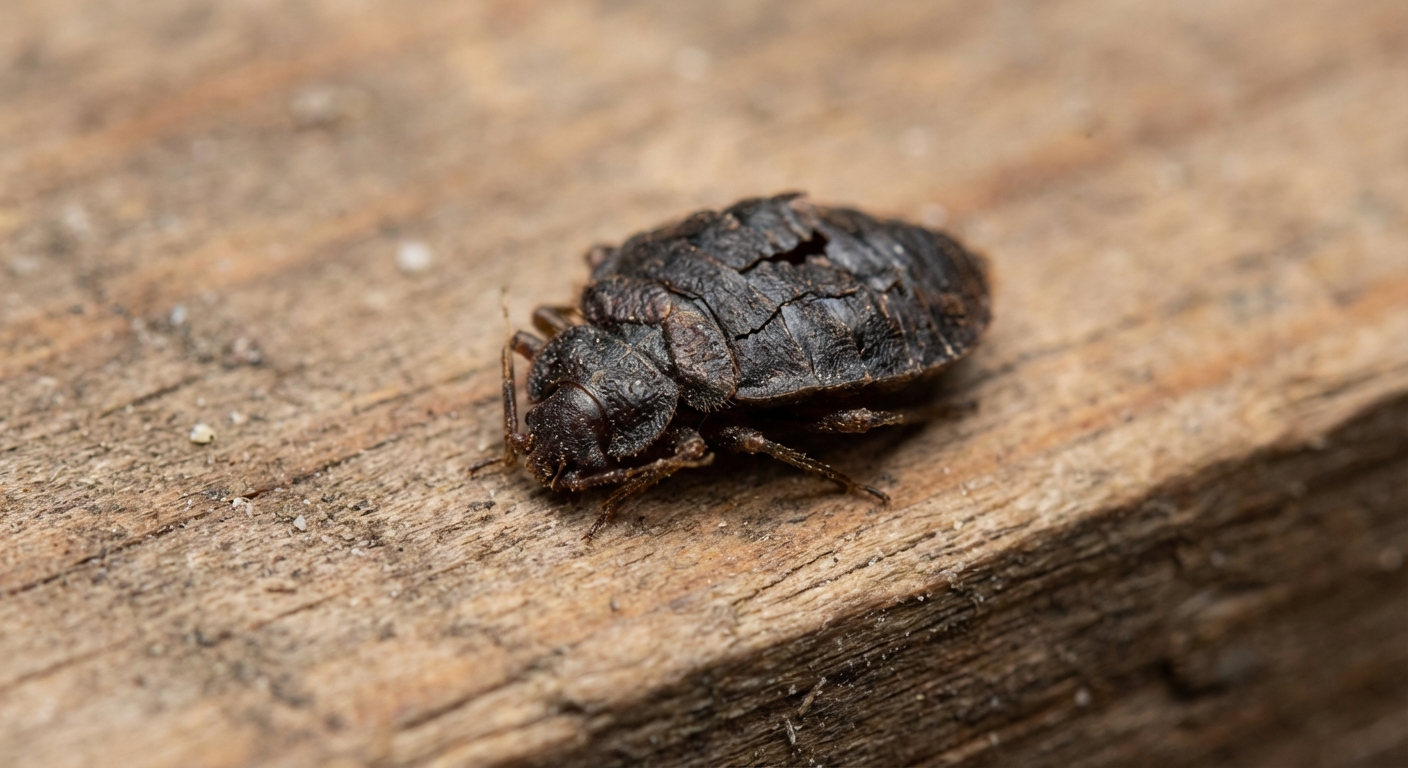
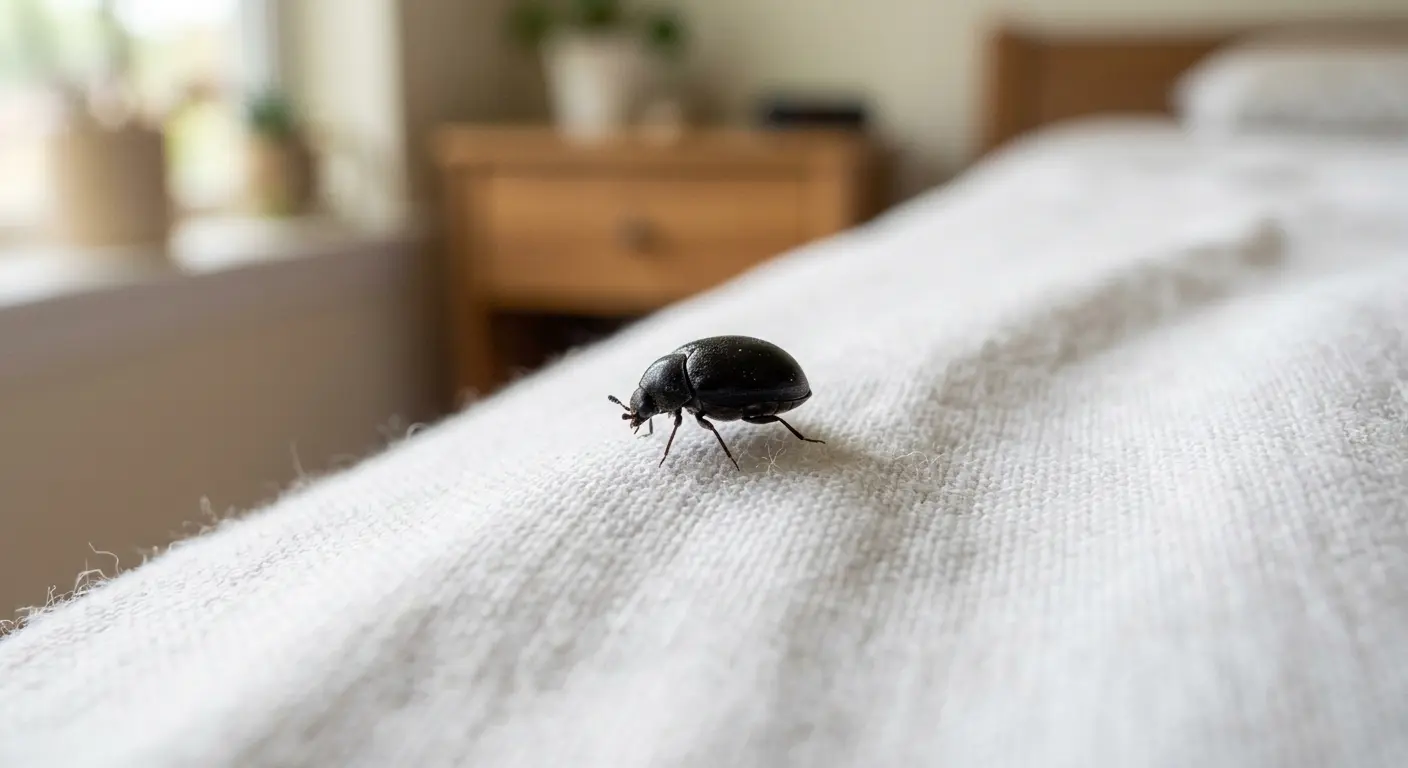
If you’re finding small black bugs in your mattress or sheets, you’re likely dealing with one of these common lookalikes:
| Feature | Bed Bugs | Carpet Beetles | Booklice |
|---|---|---|---|
| Color | Translucent to reddish-brown | Black, brown, or mottled | Pale gray to dark brown |
| Shape | Oval, flat, apple-seed sized | Round, dome-shaped, beetle-like | Soft-bodied, elongated |
| Movement | Slow crawl, no jumping | Fast crawl, may appear to scurry | Slow crawl, prefers humid areas |
| Bites | Yes — itchy welts in lines | No — can cause skin irritation | No — doesn’t bite humans |
| Wings | None — wingless | None — but hard wing covers | None — soft body |
Carpet beetles are the most common culprit. These round, dark-colored beetles feed on natural fibers like wool, silk, and pet hair — which is why you’ll find them in bedding. Unlike bed bugs, they don’t bite, though their tiny hairs can cause skin irritation that mimics bites in sensitive individuals.
Can Bed Bugs Be Black in Color?
No — bed bugs cannot be black. This is a biological impossibility because their exoskeleton lacks the dark pigmentation found in true black insects. Even the darkest-fed bed bug retains a reddish undertone. If you see a jet-black insect, you’re looking at a different species entirely.
The confusion typically arises because people search for “black bed bugs” after finding dark insects in their sleeping area. But the reality is that bed bugs are masters of hiding — they typically stay in seams, cracks, and crevices during the day. Finding any insect visibly crawling on your mattress surface suggests it’s not a bed bug, since bed bugs avoid open areas unless actively feeding at night.
Not sure if those marks are bed bug bites or something else?
Upload a photo to our identifier tool — get a confirmed answer in under 60 seconds.
How to Identify What’s Actually in Your Bed
To determine whether you have bed bugs or a different insect, follow these steps:
- Catch the insect — Use tape or a jar to capture a specimen without crushing it.
- Examine the color — Hold it against white paper. If it’s truly black, it’s not a bed bug.
- Check for bites — Bed bugs leave clusters of itchy welts, often in a line or zigzag pattern. Carpet beetles and booklice don’t bite.
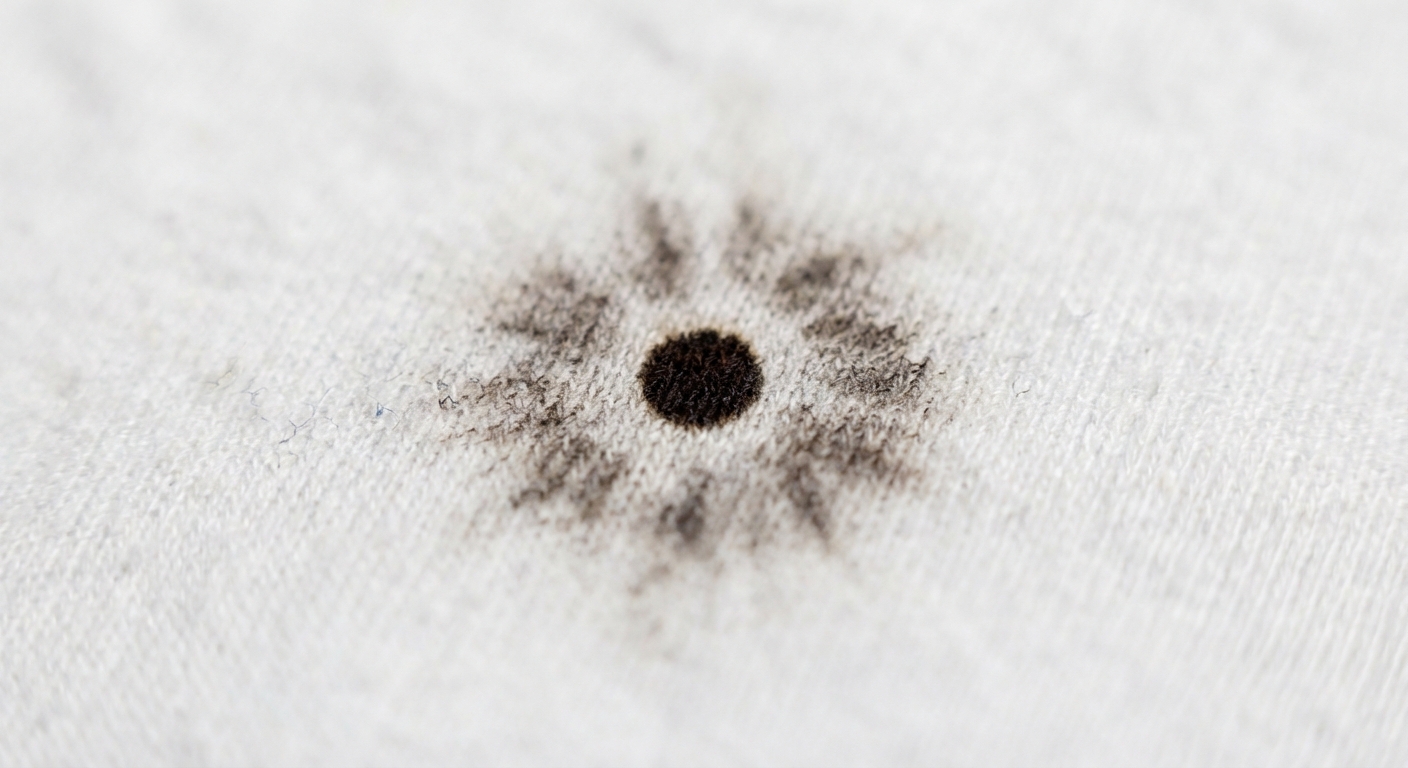
- Inspect harborages — Look for dark fecal spots, shed skins, and tiny eggs in mattress seams, box spring edges, and headboard cracks. These are definitive signs of bed bugs.
- Consider the timing — Bed bugs are nocturnal. Finding insects during the day strongly suggests a different pest.
What to Do If You Find Black Bugs
If you’ve confirmed your insects are carpet beetles or booklice, treatment is straightforward: vacuum thoroughly, wash bedding in hot water, and eliminate humidity sources. Carpet beetles require removing their food sources — natural fiber fabrics, pet hair, and lint buildup. Booklice need moisture control, so a dehumidifier in your bedroom often resolves the issue.
However, if you’re still uncertain, don’t guess. Misidentifying pests leads to wasted money on ineffective treatments — or worse, ignoring a real bed bug infestation while treating for the wrong insect.
Still not sure if it's bed bugs or a different insect?
Our AI tool compares your photo against thousands of confirmed cases instantly.
Frequently Asked Questions
Are bedbugs black?
Can bed bugs be black in color?
What are the small black bugs in my bed?
Do black bugs in my bed bite?
How do I know if I have bed bugs or carpet beetles?
The Bottom Line on Black Bed Bugs
The term “black bed bugs” is a misnomer — bed bugs are never black. If you’ve found dark insects in your bed, you’re likely dealing with carpet beetles or another common household pest. However, because bed bugs can appear very dark after feeding, it’s worth verifying your findings with a professional identification. For a complete breakdown of bed bug coloration at every lifecycle stage, check our guide on what color are bed bugs. You can also compare your findings with other color variations like red bed bugs or brown bed bugs to rule out lookalikes.