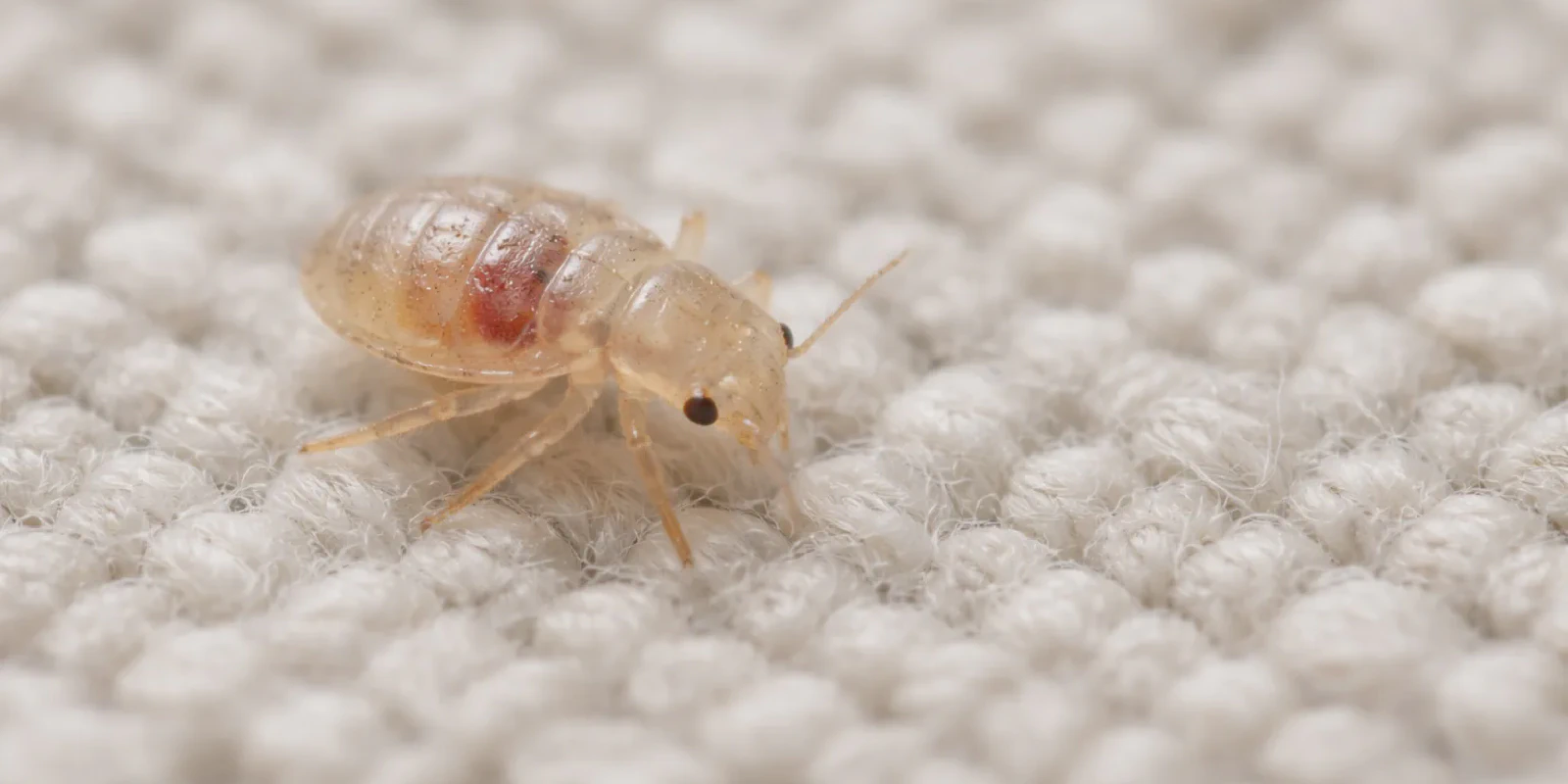
Do baby bed bugs move?
Yes, baby bed bugs do move—but they move slowly, cautiously, and usually when humans are not watching. This question is common because most people never actually see baby bed bugs in motion, leading them to assume the insects are stationary or something else entirely. Understanding how bed bug nymphs move helps explain why infestations often go unnoticed until they are well established.
Baby bed bugs (nymphs) are capable of crawling from the moment they hatch. They do not jump or fly, and their movement is far less noticeable than adult bed bugs. Their behavior is designed for survival: stay hidden, move only when necessary, and avoid detection at all costs.
How bed bug nymph movement compares to adults
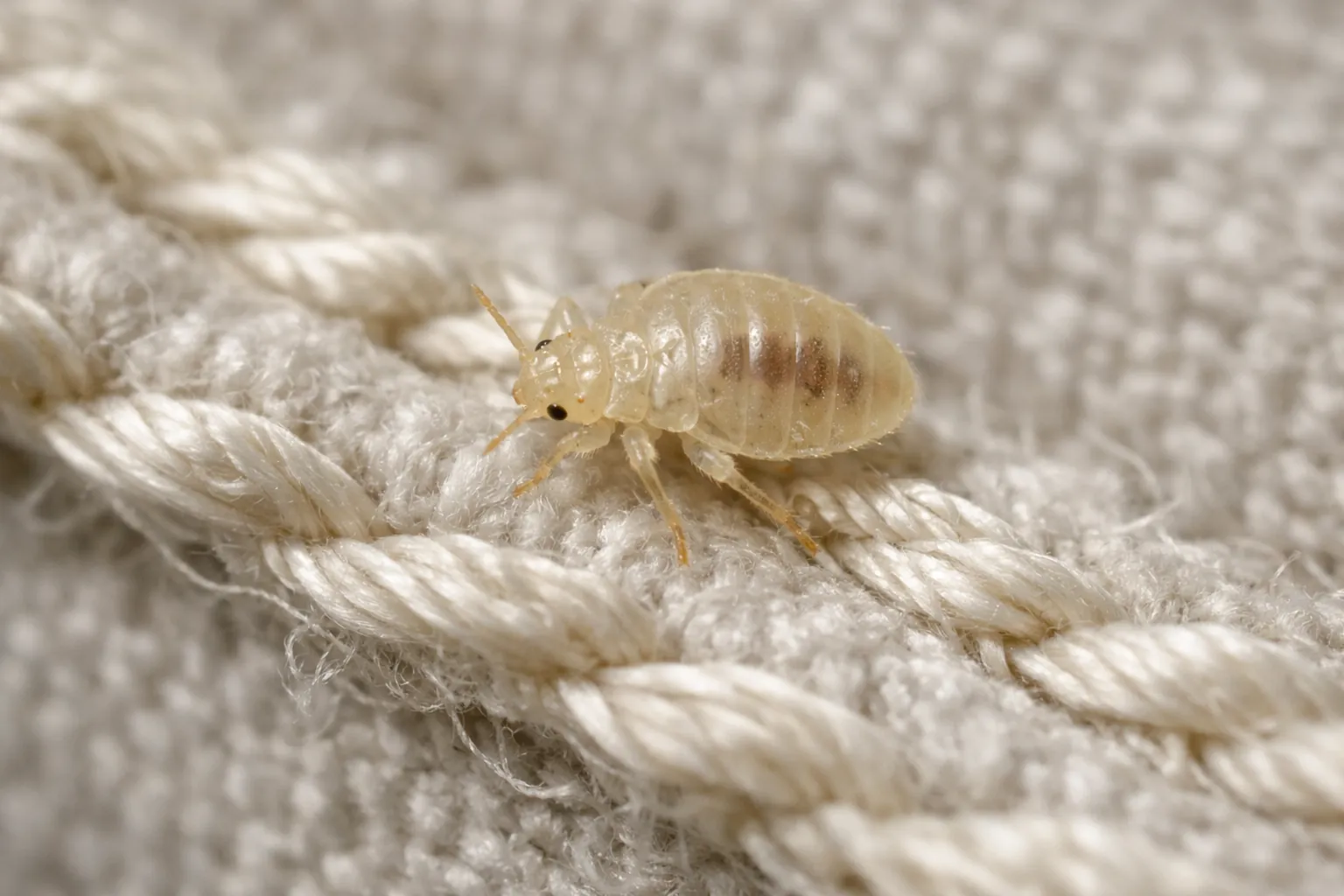
Nymphs move the same way adult bed bugs do—by crawling—but with important differences. Because they are smaller, lighter, and more fragile, their movement is slower and more deliberate. Early-stage nymphs often pause for long periods, then move short distances before stopping again.
If you want a breakdown of how movement changes across development, our guide on baby bed bug stages explains how behavior evolves from first instar to late-stage nymph.
In practical terms, this means:
- Nymphs do not roam openly like ants or fleas.
- Movement usually happens over millimeters, not across rooms.
- They rely on nearby hiding places rather than traveling far.
When baby bed bugs are most likely to be seen moving
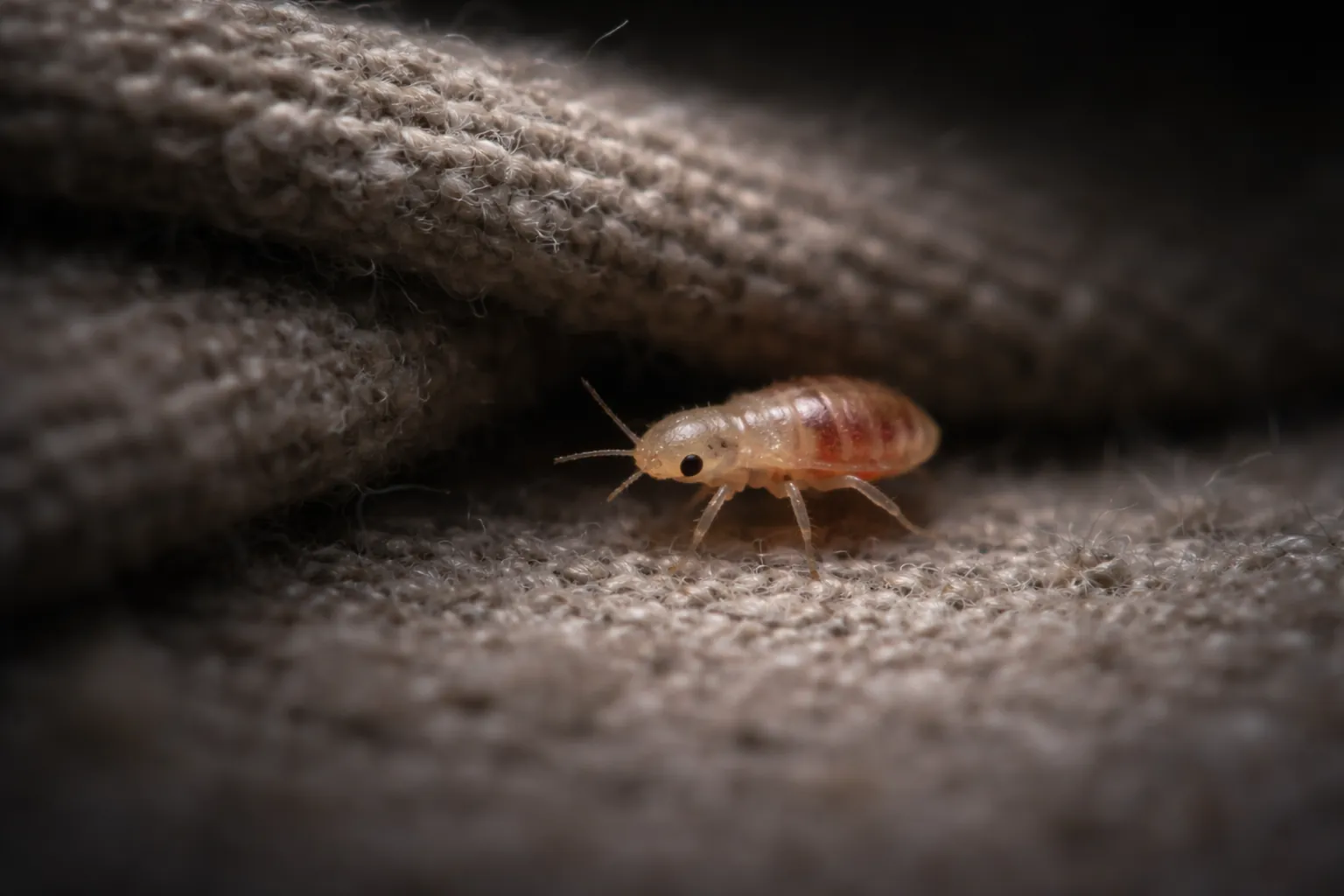
Most nymph movement occurs at night, typically just before dawn. This is when they emerge briefly to feed and then return to hiding. During daylight hours, they remain motionless in cracks, seams, and fabric folds.
People who wonder can you see baby bed bugs often miss them because nymphs freeze when exposed to light or vibration. Even when disturbed, they may stop moving entirely rather than flee.
Their movement is most likely to be observed:
- During late-night inspections with a flashlight
- When bedding or furniture is disturbed
- Immediately after feeding, before they re-hide
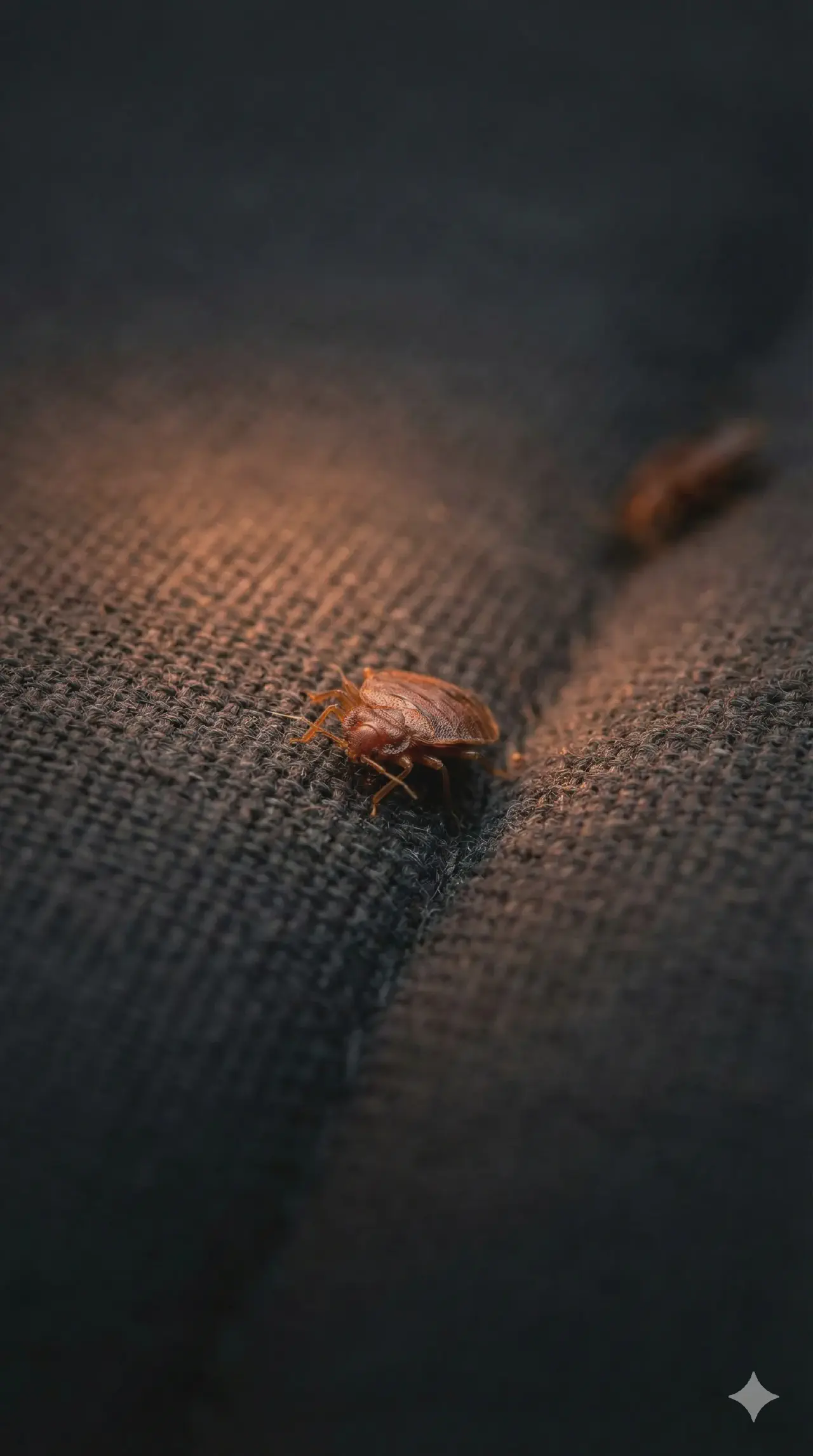
Found Something That Moves Slowly?
Baby bed bugs crawl in short bursts and often freeze when exposed. If you’ve seen tiny insects moving only after disturbing bedding or seams, upload photos to confirm whether their movement matches bed bug nymph behavior.
Why people rarely notice baby bed bugs in motion
The main reason people don’t notice movement is timing and scale. Nymphs move when you’re asleep, and when they do move, it’s subtle. Their pale, translucent bodies blend into fabric, making motion almost invisible unless you know exactly where to look.
They also stay extremely close to harborages. If you’re unsure where those are, see our breakdown of where do baby bed bugs hide to understand why movement rarely crosses open areas.
What this behavior means for detection
Limited movement does not mean low risk. In fact, minimal movement often indicates early-stage infestations that are hardest to detect. Nymph activity usually increases as populations grow and competition for feeding space increases.
For full identification context—including appearance, size, and hiding behavior—visit the Baby Bed Bugs Identification Guide.
Use What You’ve Learned to Confirm It
Now that you understand when and how baby bed bugs move, upload photos of anything you’ve found near sleeping areas to verify whether the behavior matches nymph activity.
- Are Bed Bugs Ever Black? The Real Color Range + What ‘Black Bed Bugs’ Usually Are
- Bed Bug Color by Stage: Eggs → Nymphs → Adults (Exact Sizes + Colors)
- Before vs After Feeding: Why Bed Bugs Change Color (Tan → Red → Dark)
- Can Bed Bugs Be Green or Orange? Not a Bed Bug — Here’s What It Likely Is
- Tiny Red Bug in Bed? When Bed Bugs Turn Red (Fed Nymphs vs Look-Alikes)
- White or Translucent Bugs on Mattress? Eggs, Nymphs, or Shed Skins Explained