Bed Bug Shells: Is This a Sign of an Active Infestation?
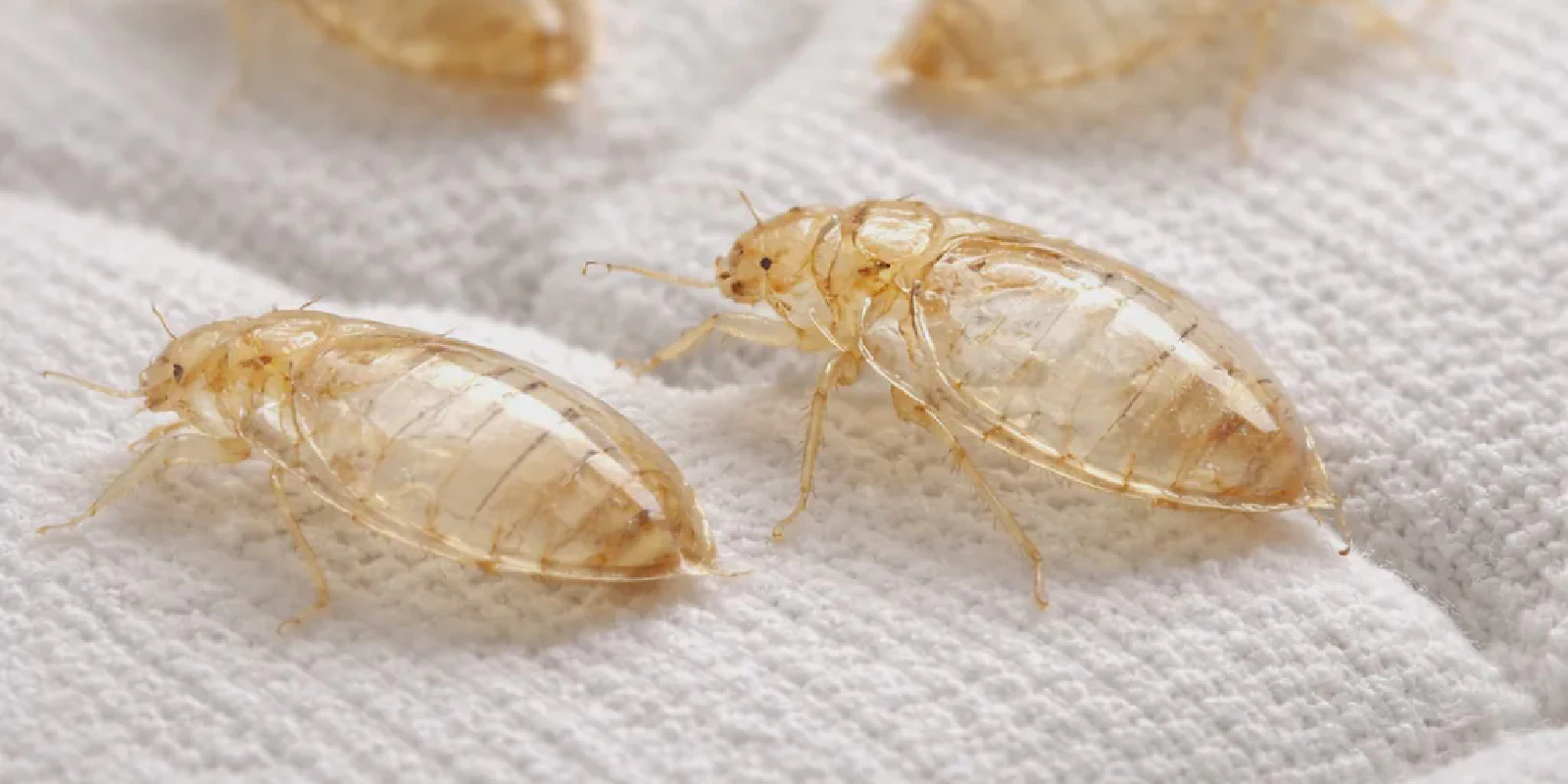
Bed bug shells are the translucent, hollow exoskeletons that bed bugs shed during their five nymph stages as they mature into adults. These shells are critical evidence of active bed bug activity because they indicate ongoing reproduction and development. Finding bed bug shells is more significant than finding live bugs, as professional pest control experts use shell density and distribution patterns to assess infestation severity and determine treatment intensity requirements.
What Bed Bug Shells Look Like: Expert Identification Details
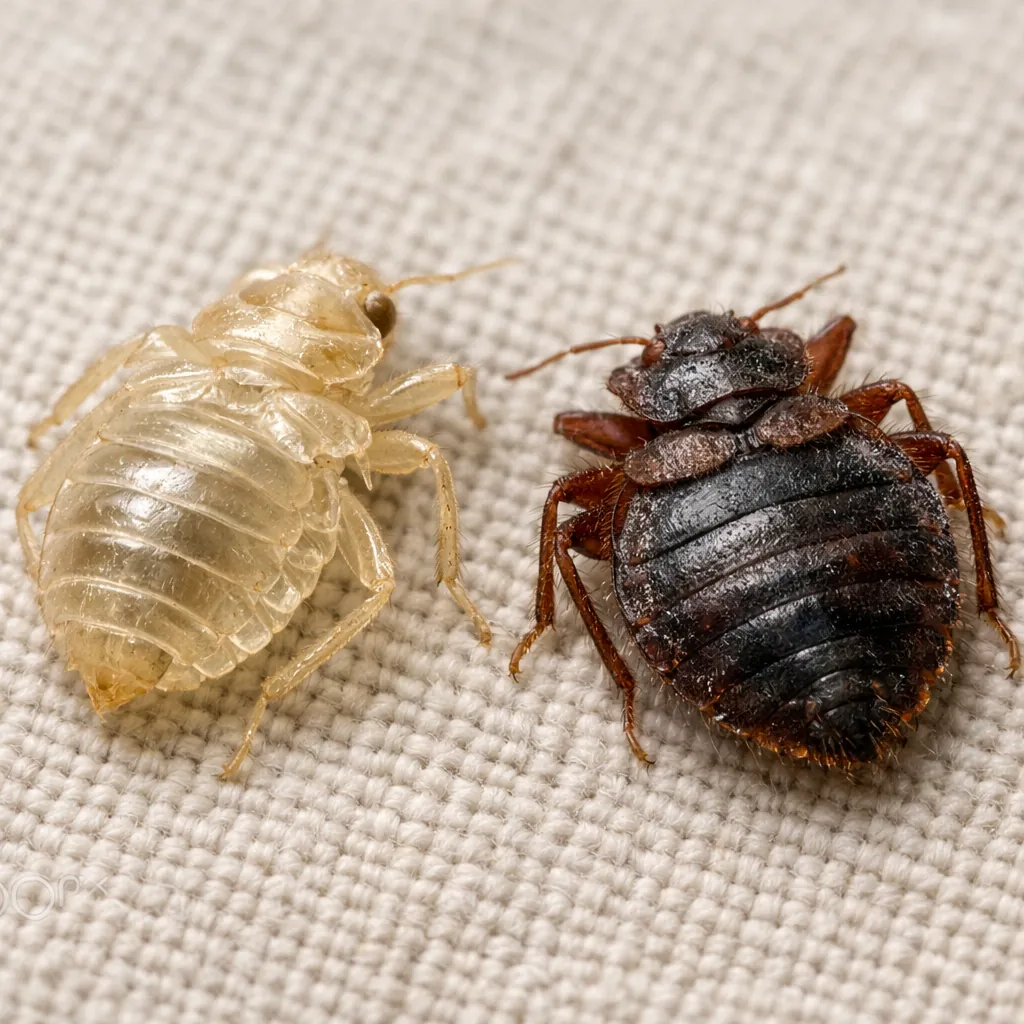
Bed bug shells appear as paper-thin, amber to light brown casings that are nearly transparent and measure between 1.5mm to 4.5mm depending on which nymph stage they came from. The shells retain the complete body shape of the bed bug—you can clearly see the head, thorax, abdomen segments, and even the six legs still attached. Unlike dead bed bugs which appear dark and contain internal matter, shells are completely hollow and weightless, often described as looking like “bug-shaped tissue paper.” The color ranges from almost clear (first instar nymphs) to deeper amber tones (fifth instar nymphs).
Fresh shells have a slight sheen and flexibility, while older shells become brittle and fragment. The shells typically accumulate in mattress seams, box spring corners, headboard crevices, and behind baseboards—the same locations where bed bugs hide during daylight. Professional inspectors look for shell concentrations because five shells per square foot indicates a moderate to heavy infestation requiring immediate professional intervention.
Have Evidence Photos?
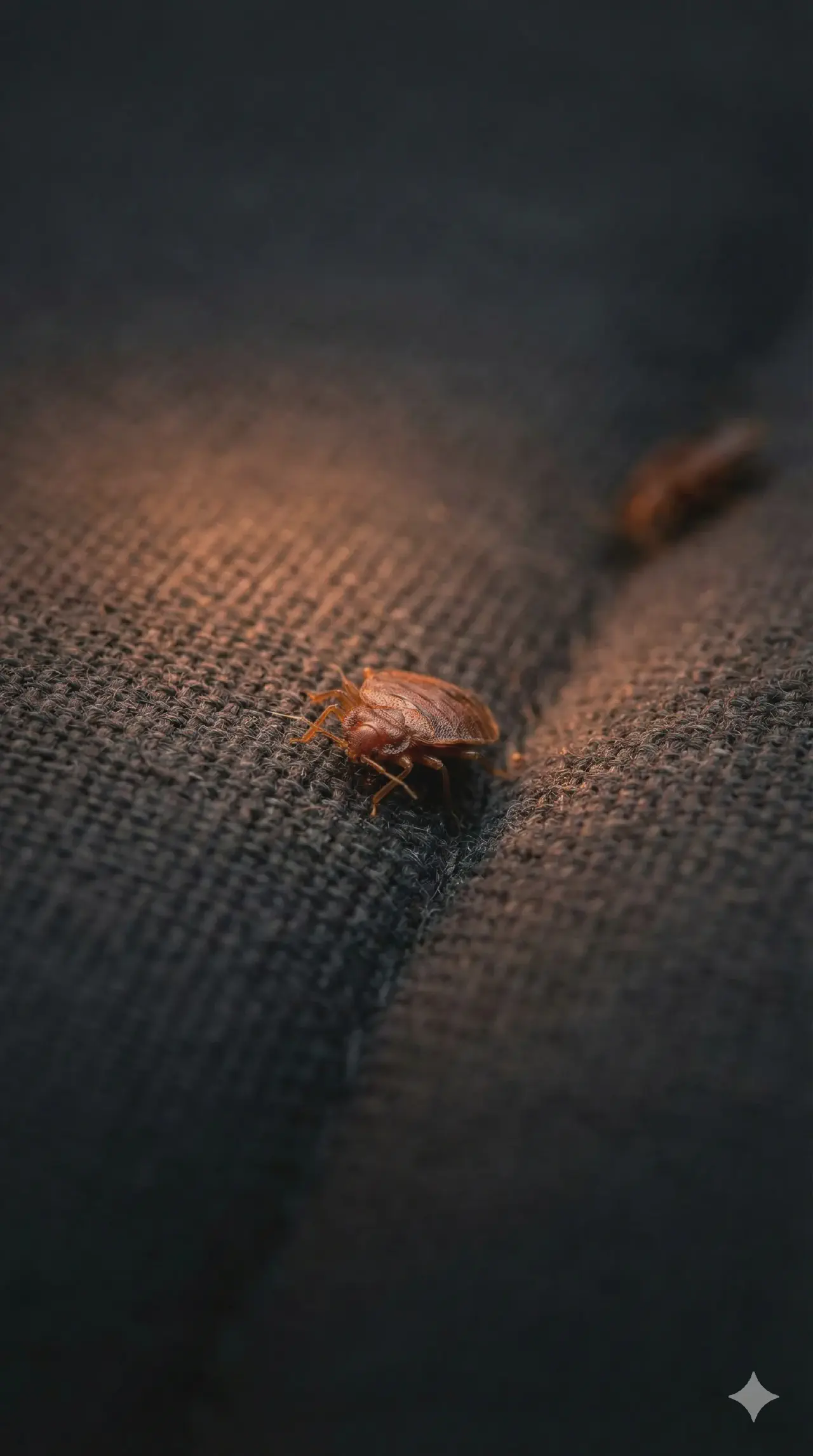
Found translucent casings matching these hollow, amber-colored shell characteristics? Upload photos of the shed exoskeletons—our AI identifies the nymph stage and confirms active bed bug development.
Shell Hardness and Texture Characteristics
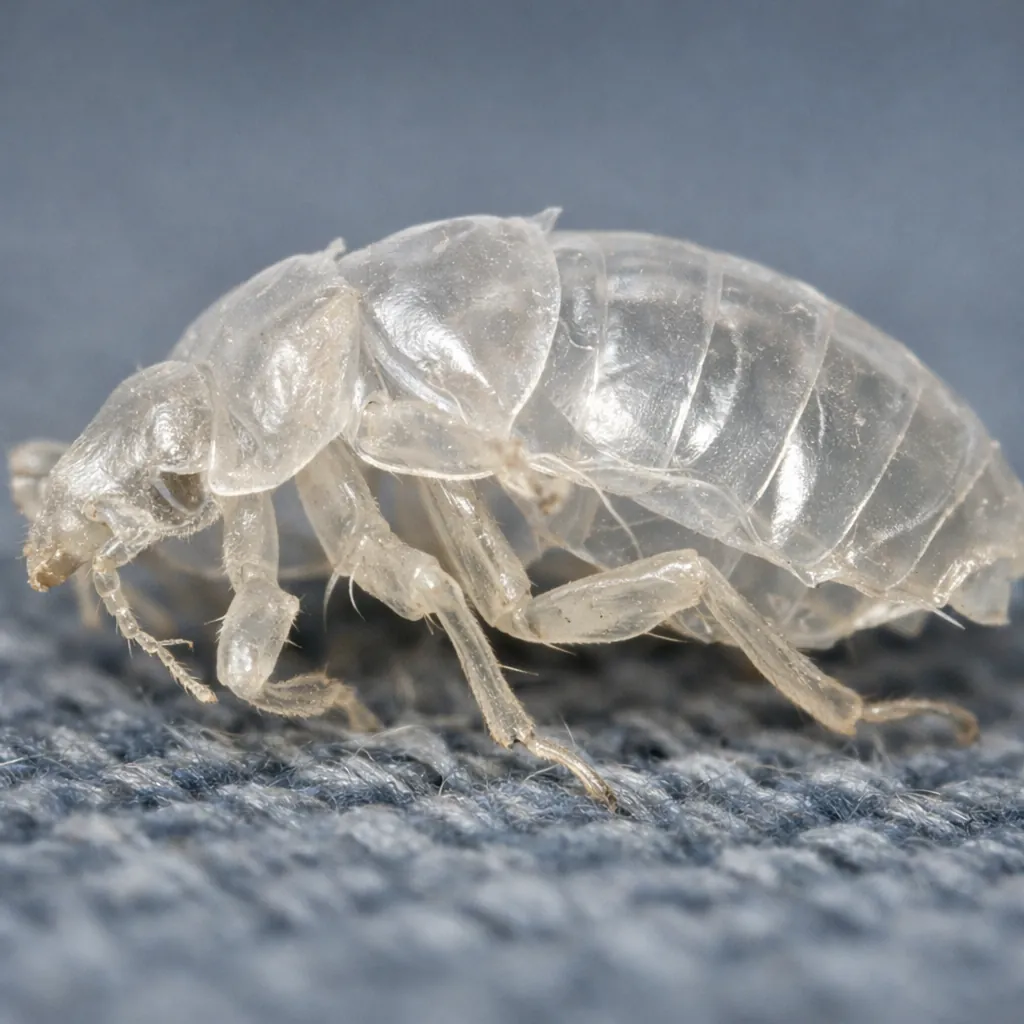
Bed bug shells are not hard—they’re soft and pliable when fresh, with a texture similar to thin plastic wrap. The exoskeleton material (chitin) is only about 0.1mm thick. This softness distinguishes bed bug shells from harder beetle casings or other insect exoskeletons. The shells compress easily between your fingers without crunchy resistance.
The number of shells correlates to population size: bed bugs molt five times before adulthood, meaning a single female and her offspring produce hundreds of shells within weeks. Multiple shells concentrated in one area, especially mixed with black fecal spots and rusty bloodstains, provide definitive proof of an established bed bug colony actively feeding and reproducing.
For comprehensive identification of all bed bug evidence types including shells, fecal stains, eggs, and live specimens, see our detailed Bed Bug Shells Identification Guide covering every visual indicator and professional assessment criteria.
Have Evidence Photos?
With this expert knowledge of shell characteristics and significance patterns, confirm your findings. Upload photos of the shed exoskeletons and evidence you've located.
- Are Bed Bugs Ever Black? The Real Color Range + What ‘Black Bed Bugs’ Usually Are
- Bed Bug Color by Stage: Eggs → Nymphs → Adults (Exact Sizes + Colors)
- Before vs After Feeding: Why Bed Bugs Change Color (Tan → Red → Dark)
- Can Bed Bugs Be Green or Orange? Not a Bed Bug — Here’s What It Likely Is
- Tiny Red Bug in Bed? When Bed Bugs Turn Red (Fed Nymphs vs Look-Alikes)
- White or Translucent Bugs on Mattress? Eggs, Nymphs, or Shed Skins Explained