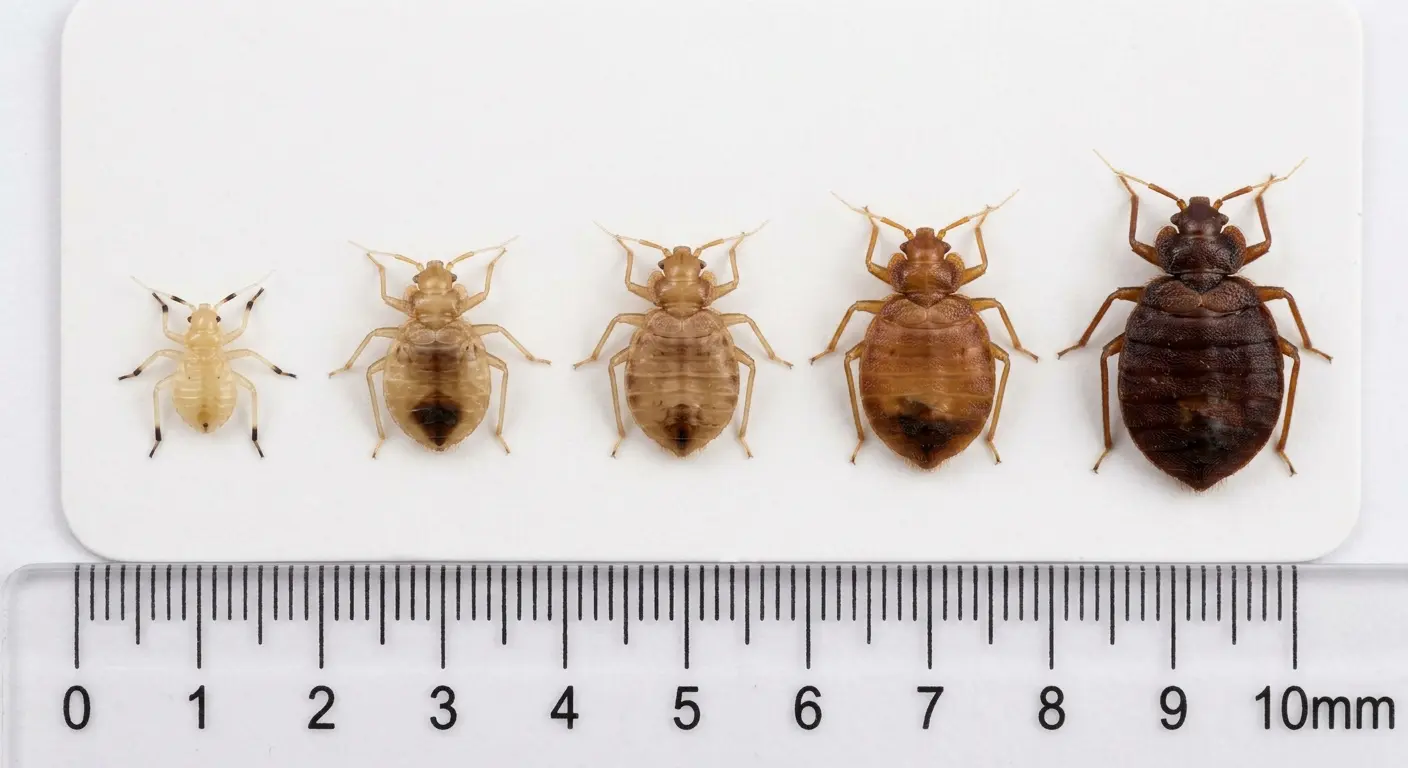
Bed bugs do not have larvae — they hatch as nymphs that look like miniature adults. Most guides use the term “larva” loosely, but Purdue’s entomology department confirms that immature bed bugs are properly called nymphs because they undergo gradual metamorphosis, not the complete metamorphosis that produces true larvae.
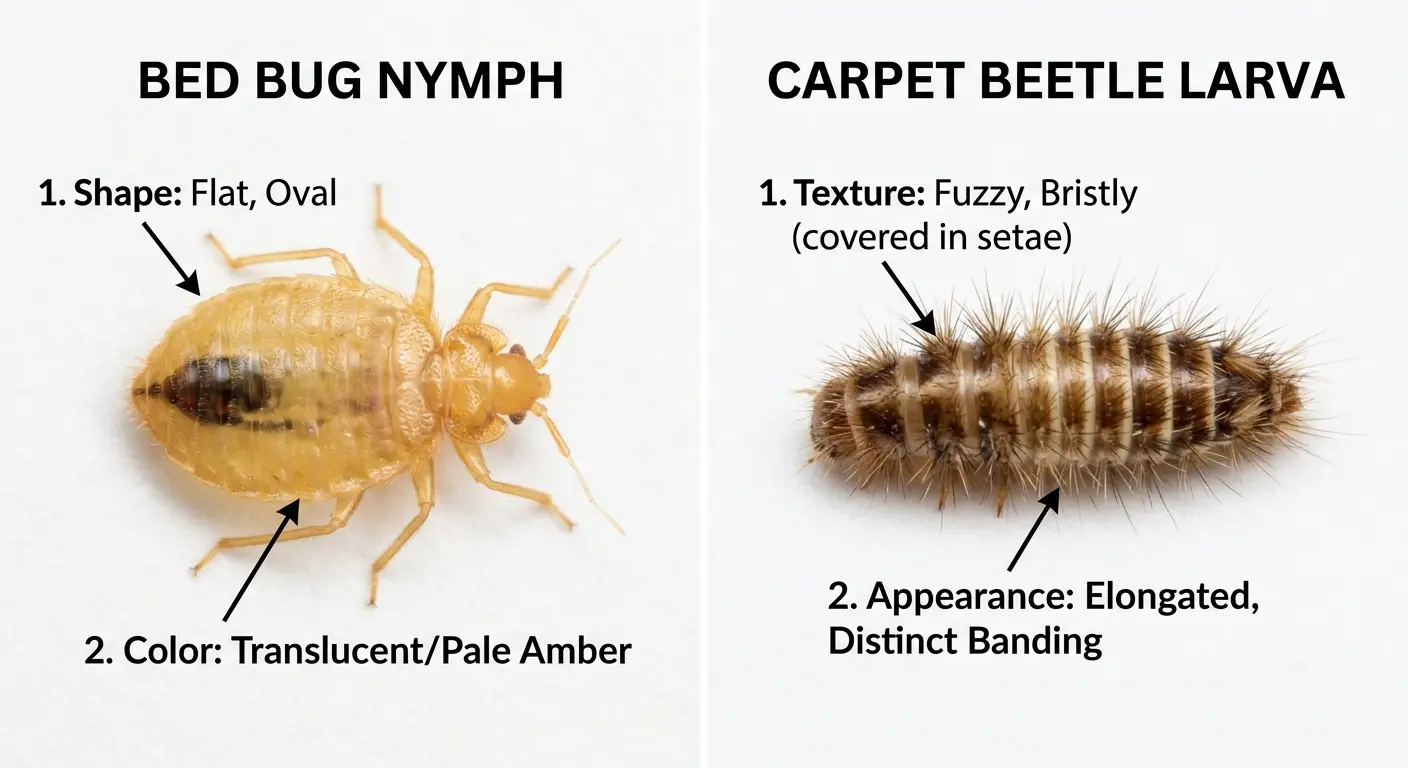
This distinction matters for identification. If you’re searching for “bed bug larvae images” to confirm what’s crawling on your mattress, you need to know exactly what a nymph looks like at each stage — and what it doesn’t look like. Nymphs never resemble the worm-like or caterpillar-like larvae of fleas, carpet beetles, or moths.
What Does a Bed Bug Larva (Nymph) Actually Look Like?
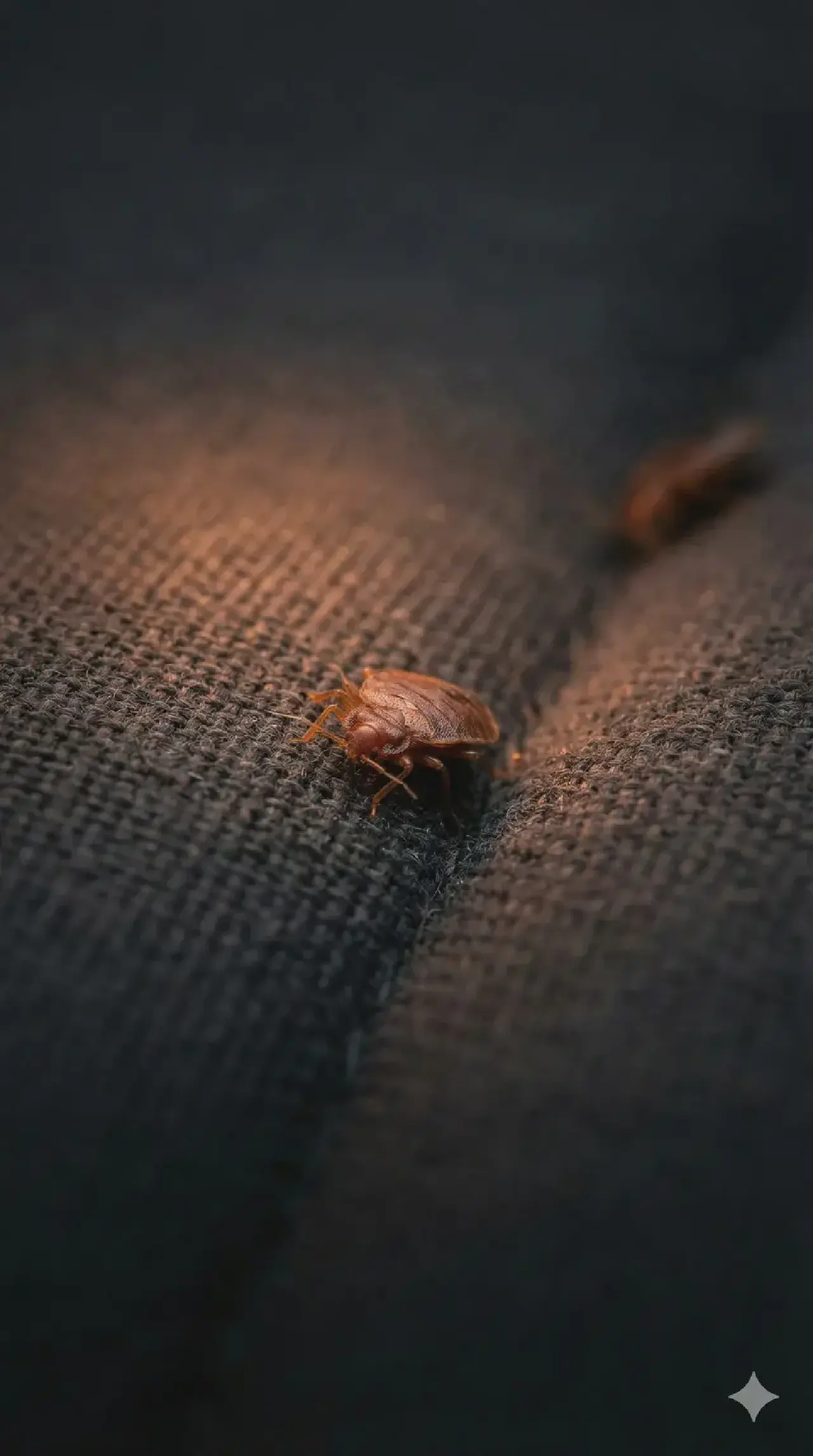
A bed bug nymph looks like a smaller, translucent version of the adult. According to the EPA’s bed bug appearance guide, nymphs are “a bit smaller and translucent or whitish yellow” compared to the brown, oval-shaped adults. After feeding, their abdomen turns bright red or dark purple as the blood becomes visible through their exoskeleton.
Here’s what to look for when examining a suspected nymph:
| Feature | Nymph Description |
|---|---|
| Size | 1.5mm (first instar) to 4.5mm (fifth instar) |
| Color | Translucent, whitish-yellow, or tan before feeding |
| After feeding | Bright red to dark burgundy abdomen |
| Shape | Flat, oval body with six legs and two antennae |
| Movement | Crawls quickly; cannot fly or jump |
Nymphs molt five times before reaching adulthood, and each stage requires a blood meal to advance. The Virginia Department of Agriculture’s bed bug biology guide illustrates all five instar stages, showing how size increases and coloration darkens with each molt.
Why People Search for “Bed Bug Larvae Images” — and What They Find
Most people searching for bed bug larvae images are actually finding one of three things: a nymph, a shed exoskeleton, or a completely different insect. Shed skins are often mistaken for live larvae because they retain the same shape but appear empty and more translucent.
Non-obvious insight: Most pest control guides emphasize the “apple seed” appearance of adults, but unfed first-instar nymphs are nearly invisible to the naked eye at just 1.5mm — smaller than a pinhead. This is why infestations often go unnoticed for weeks, and why you should inspect seams, folds, and crevices with a flashlight and magnifying glass.
If you’ve found a small insect and you’re unsure whether it’s a bed bug nymph or something else, don’t guess. Upload a clear photo to our identification tool and get a definitive answer.
Not sure if that tiny insect is a bed bug nymph or something else?
Upload a photo to our identifier tool — get a confirmed answer in under 60 seconds.
How Nymphs Differ From True Larvae (And Why It Matters)
Understanding the difference between nymphs and larvae isn’t just entomology trivia — it affects how you treat the infestation. True larvae (like fleas or carpet beetles) often live in different environments than adults and require different treatments. Bed bug nymphs, however, live in the same harborage as adults and are killed by the same treatments.
Here’s the key distinction:
- Nymphs (bed bugs): Hatch from eggs looking like small adults, molt five times, and need blood at every stage.
- Larvae (fleas, moths, beetles): Hatch as worm-like or grub-like organisms that pupate before becoming adults.
This is why bed bug treatments target all life stages simultaneously — there’s no separate larval stage to address. If you’re comparing your finding against bed bug larvae images and it doesn’t match, you may be dealing with a different pest entirely.
Where to Find Nymphs and How to Confirm Your Finding
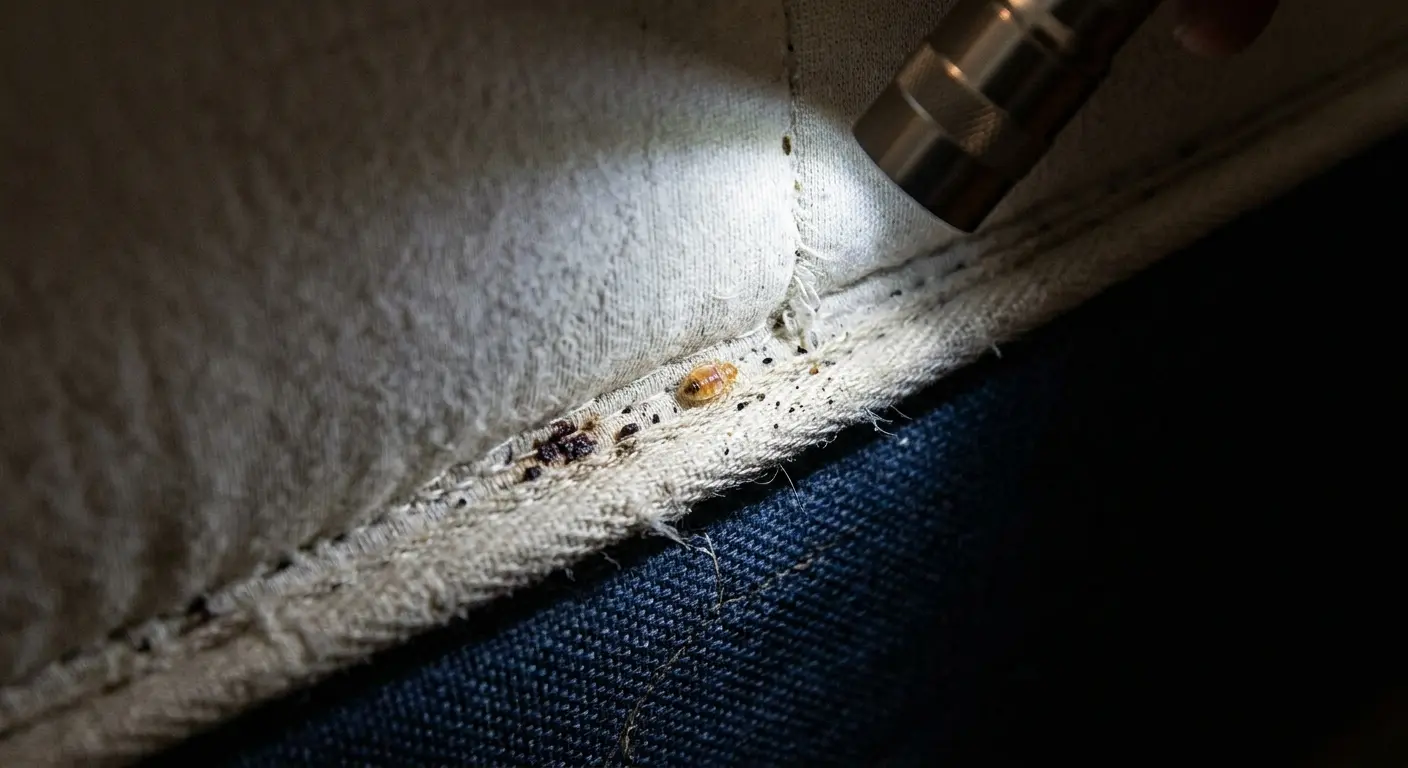
Nymphs stay close to their harborage — typically within 8 feet of where you sleep. Check these locations first:
- Mattress seams, tufts, and folds
- Box spring edges and corners
- Headboard cracks and screw holes
- Baseboards and electrical outlets near the bed
- Behind picture frames and loose wallpaper
Nymphs are most active at night, but you may find them during the day if the infestation is heavy. You’ll also likely find dark fecal spots, shed skins, and tiny white eggs (about 1mm) in the same areas.
Still uncertain? Compare your photo against baby bed bug identification guides or use our tool to compare your finding against thousands of confirmed cases.
Still not sure if it's bed bugs or a different insect?
Our AI tool compares your photo against thousands of confirmed cases instantly.
Frequently Asked Questions
What is the difference between a bed bug larva and a nymph?
How big is a bed bug nymph?
Do bed bug nymphs bite?
Can you see bed bug nymphs with the naked eye?
What do bed bug larvae look like compared to carpet beetle larvae?
What to Do If You’ve Confirmed Nymphs
If you’ve confirmed bed bug nymphs in your home, act immediately — nymphs reach adulthood in as little as 5 weeks under warm conditions, and females lay 1-5 eggs per day. Start with thorough cleaning, vacuuming, and laundering all bedding on high heat. Then apply a residual treatment to cracks and crevices.
Don’t waste time trying to distinguish nymphs from larvae on your own. If you’re seeing signs of bed bugs, get a confirmed identification and a tailored treatment plan.
Confirmed bed bugs — what do you actually need to treat them?
Upload one photo and our tool builds your exact treatment kit in under two minutes.