What Is a Bed Bug Exoskeleton?
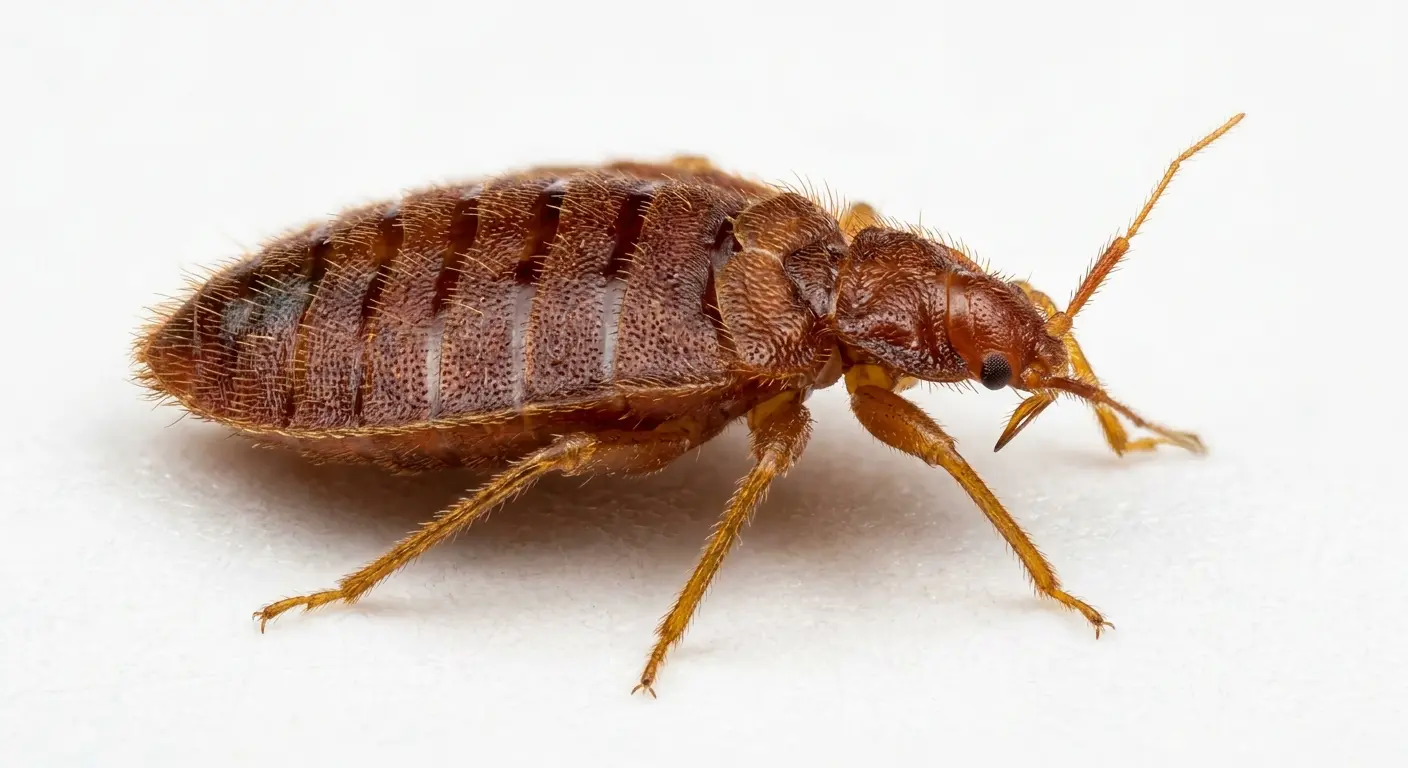
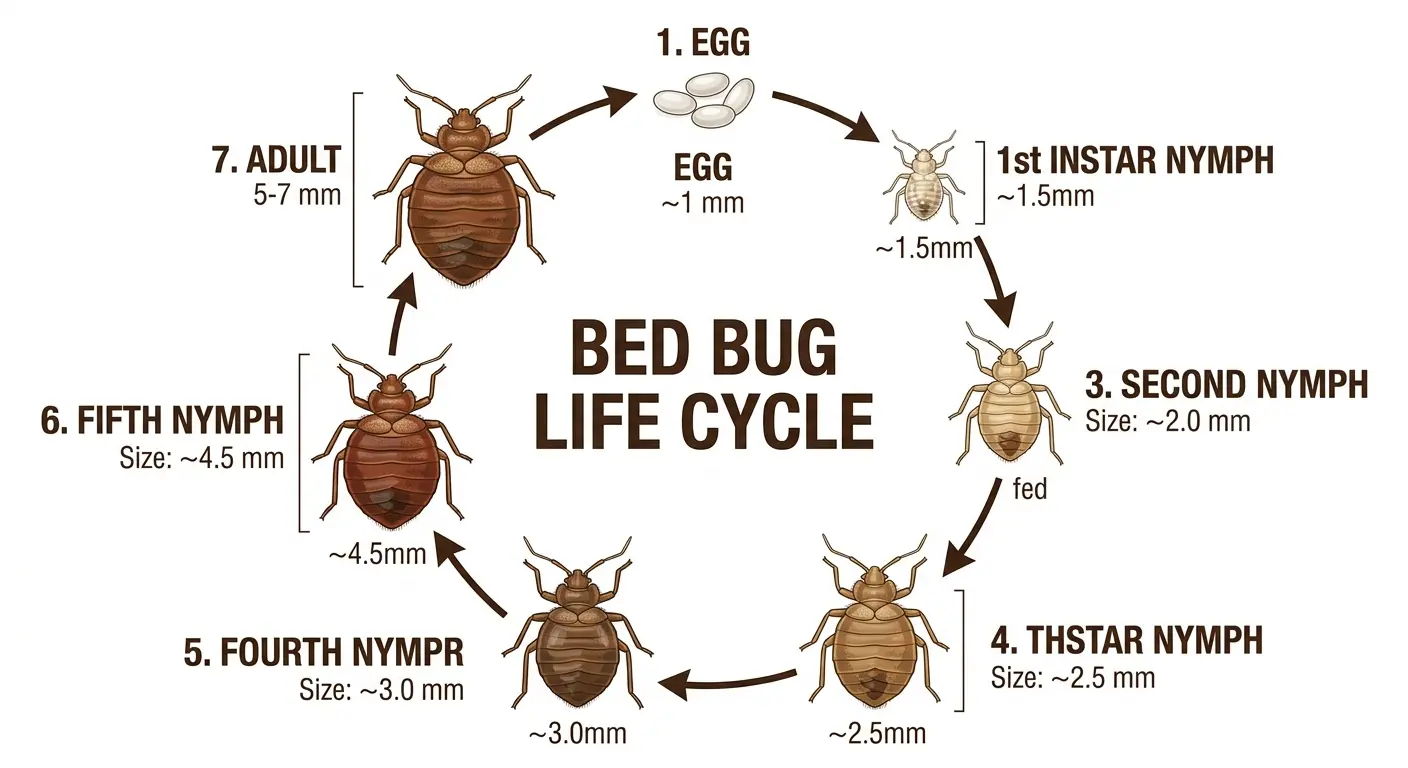
A bed bug exoskeleton is the hard outer shell that a bed bug sheds as it grows through its lifecycle. Bed bugs molt five times before reaching adulthood, which means a single bed bug can leave behind up to five exoskeletons in your home. Finding one is a clear sign that live bed bugs are actively reproducing in your space — not just passing through.
These discarded shells, also called exuviae, are one of the most reliable indicators of an infestation. Unlike live bugs that hide during the day, exoskeletons stay where they’re left, making them easier to spot during a thorough inspection.
What Does a Bed Bug Exoskeleton Look Like?
Bed bug exoskeletons look like translucent, hollow versions of the bugs themselves. They’re typically:
- Pale yellow to light brown in color, becoming darker as the bug ages
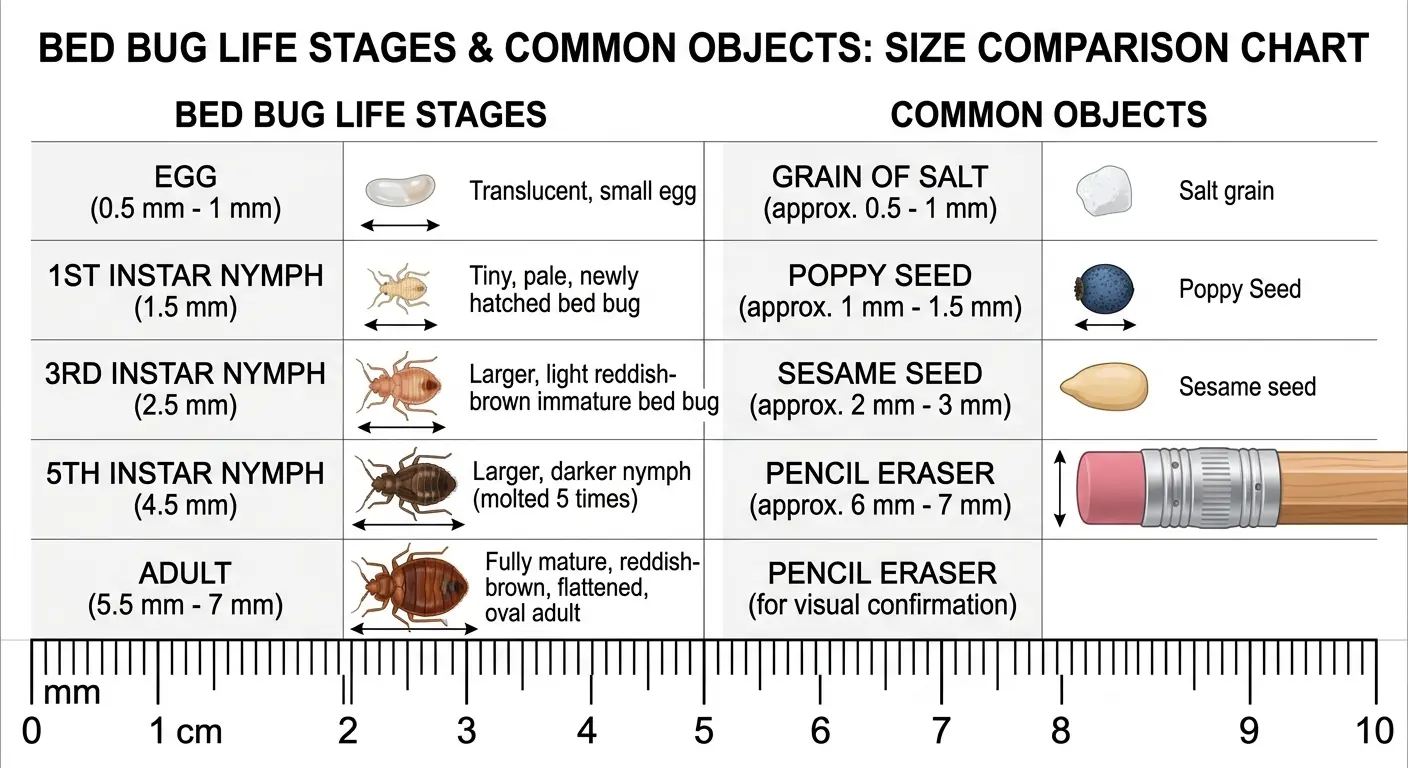
- About 1-5 mm long, depending on the life stage that shed them
- Crescent-shaped or slightly curved, with a visible head and segmented body
- Empty and paper-thin, with a crispy texture when touched
Most guides say you need a magnifying glass to identify them — but the eyespots are actually visible to the naked eye. These two dark dots on the head region are often the easiest way to distinguish a bed bug exoskeleton from other insect debris. The exoskeleton also has a distinctive “splitting” pattern along the back where the bug emerged.
Where Do Bed Bugs Leave Their Exoskeletons?
Bed bugs shed their exoskeletons near their hiding spots. Check these locations first:
| Location | What to Look For |
|---|---|
| Mattress seams and tufts | Clusters of pale shells mixed with dark fecal spots |
| Box spring edges | Shells tucked into corners and crevices |
| Headboard cracks | Scattered shells near screw holes and joints |
| Baseboards and floor gaps | Single shells or small groups along the wall |
| Furniture joints | Shells in drawer tracks and frame connections |
Unlike live bed bugs that scatter when disturbed, exoskeletons stay exactly where they were shed. Finding several in one area suggests an established harborage — not a recent introduction.
Why Finding an Exoskeleton Matters
A single exoskeleton means at least one bed bug has reached a new life stage in your home. Multiple exoskeletons of varying sizes indicate an active, breeding population. The Environmental Protection Agency lists shed skins as one of the primary signs of a bed bug infestation, alongside live bugs, fecal stains, and bite marks.
One non-obvious insight: the size of the exoskeleton tells you how long the infestation has been active. Small, pale shells indicate young nymphs — meaning the infestation is recent. Larger, darker shells suggest adult bed bugs, which means the colony has been established for weeks or months.
Another thing most guides miss: exoskeletons can trigger allergic reactions in some people. The shed shells contain proteins that can cause respiratory symptoms, especially in sensitive individuals. The Centers for Disease Control and Prevention notes that bed bug-related allergens can exacerbate asthma symptoms, making prompt identification and treatment important for more than just comfort.
What to Do If You Find a Bed Bug Exoskeleton
Don’t wait to see a live bug before taking action. If you find an exoskeleton, inspect the surrounding area thoroughly for other signs — fecal spots, blood stains, or live bugs. Vacuum the area to remove the shells, then seal them in a plastic bag for identification.
If you’re uncertain whether what you found is actually a bed bug exoskeleton, don’t rely on guesswork. Many people mistake carpet beetle shells, cockroach nymphs, or other insect debris for bed bug evidence. For a closer look at related signs, review our guide on bed bug shells and shed skin to compare what you’re seeing. For a direct comparison with other insect shells, see bed bug shells vs other insects.
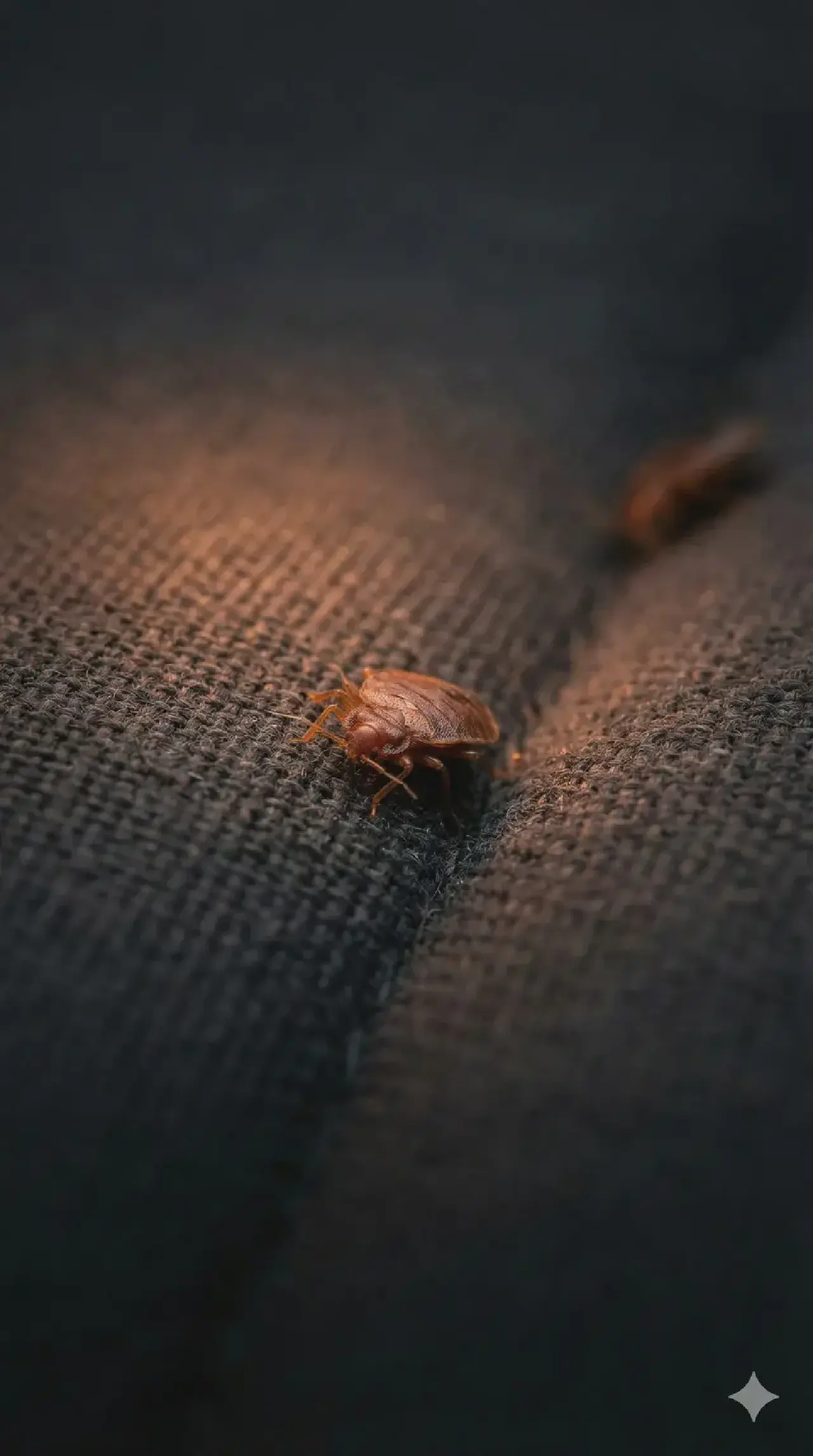
Not sure if those marks are bed bug bites or something else?
Upload a photo to our identifier tool — get a confirmed answer in under 60 seconds.
Frequently Asked Questions
Is a bed bug exoskeleton the same as bed bug shells?
How many exoskeletons does a bed bug leave behind?
Can you see bed bug exoskeletons with the naked eye?
Do bed bug exoskeletons mean an active infestation?
Final Thoughts
Finding a bed bug exoskeleton is not the same as finding a dead bug. It’s proof that a bed bug has grown and molted in your space, which means live bed bugs are nearby. The sooner you confirm the identification and begin treatment, the easier the infestation will be to control.
Confirmed bed bugs — what do you actually need to treat them?
Upload one photo and our tool builds your exact treatment kit in under two minutes.