White or Translucent Bugs on Mattress? Eggs, Nymphs, or Shed Skins Explained
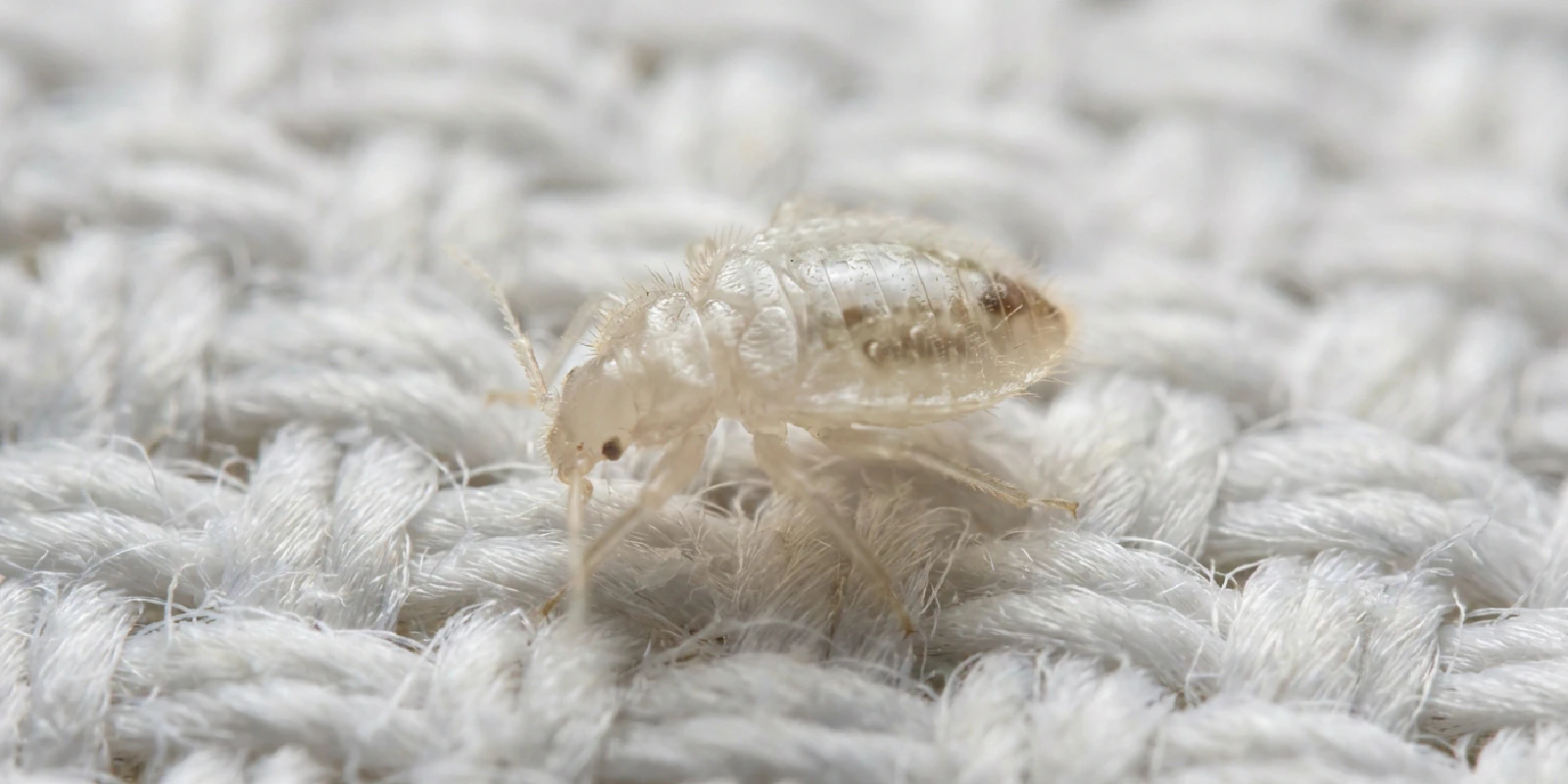
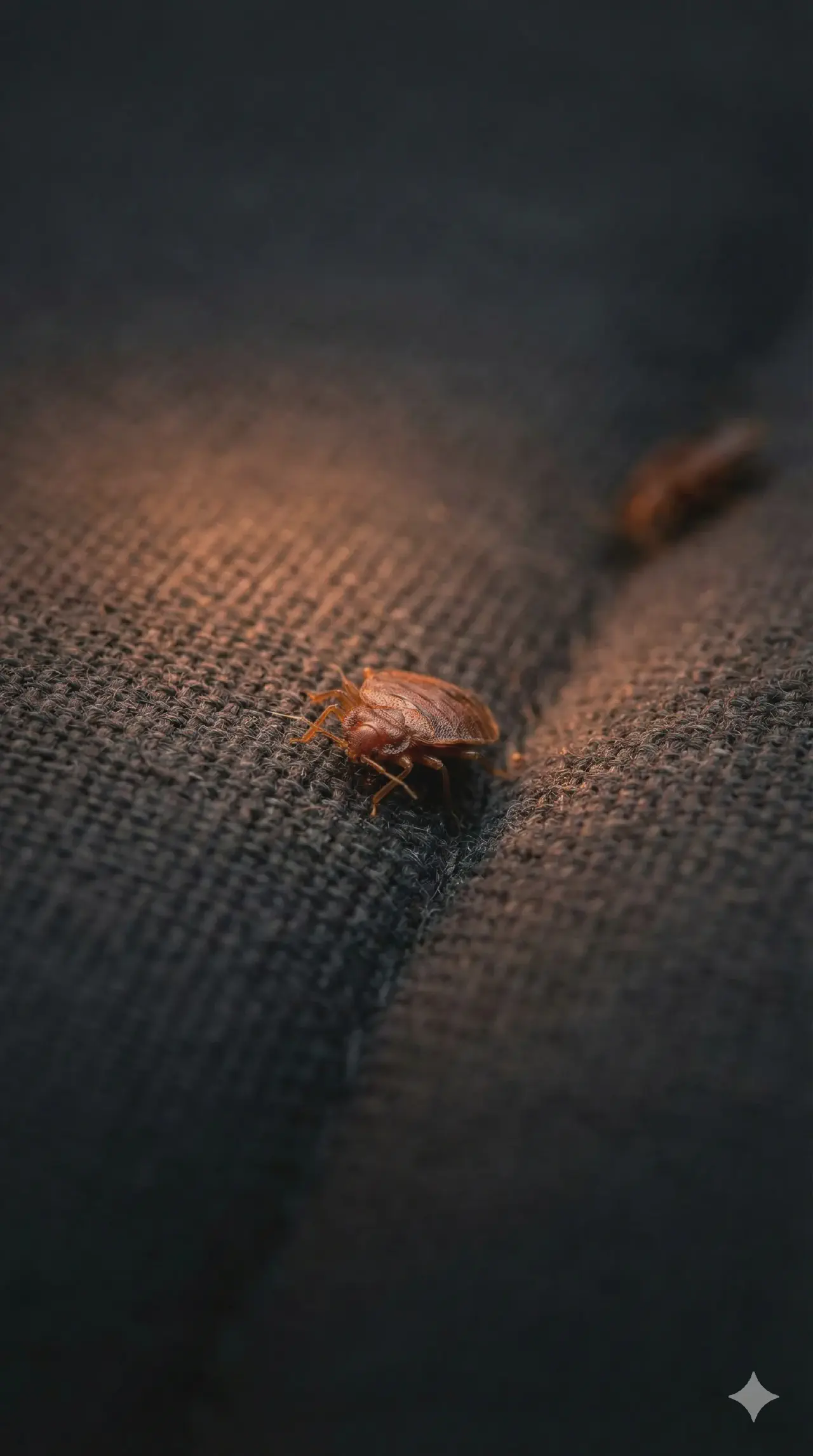
Bed bugs can appear white—but only in their earliest life stages. Adult bed bugs are never white; they are reddish-brown. However, bed bug eggs are pearly white, and newly hatched first-instar nymphs are nearly transparent or very pale straw-colored. Finding white specks in mattress seams is one of the earliest and most overlooked signs of a bed bug infestation.
When Bed Bugs Are White or Translucent
Eggs: Always White
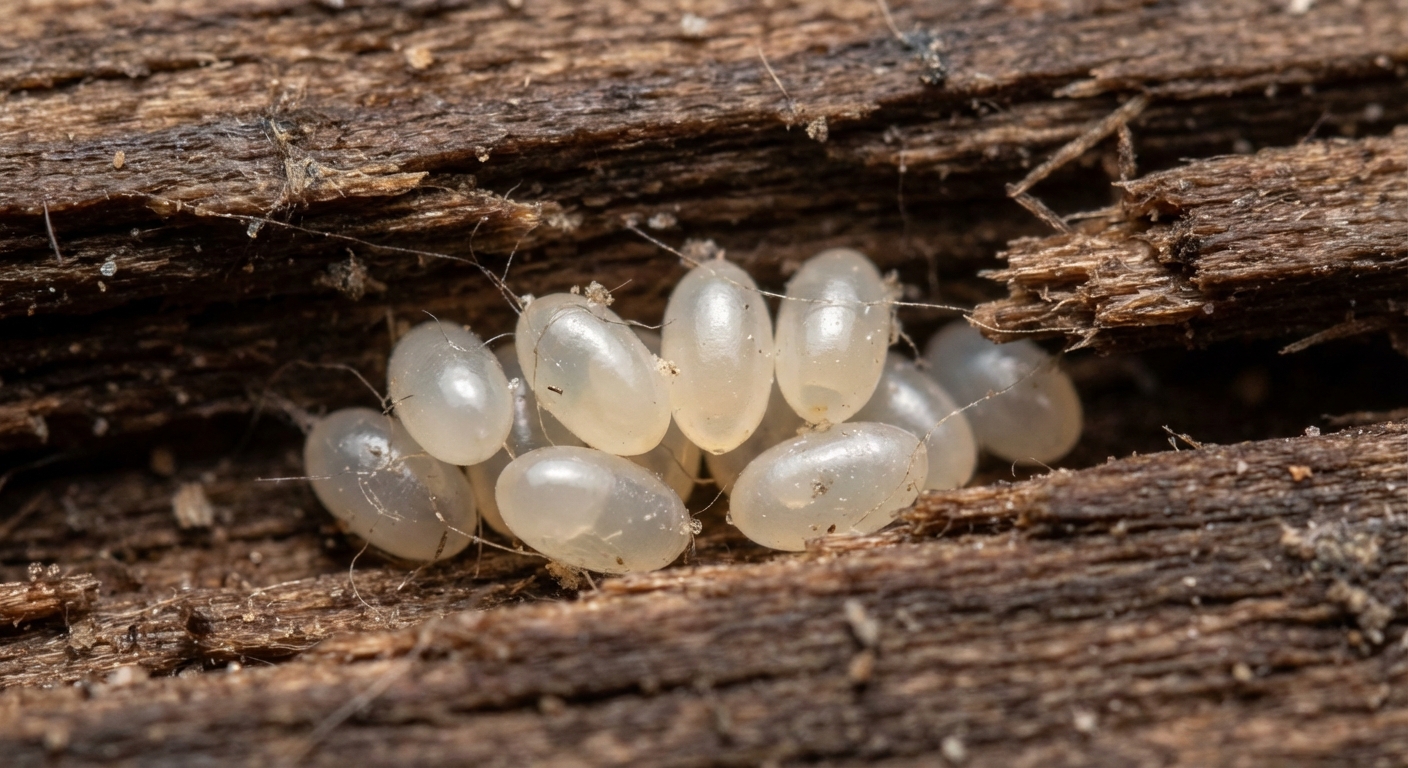
Bed bug eggs are 1mm long, pearly white, and barrel-shaped with a sticky coating. They are deposited in clusters in tight crevices—mattress seams, bed frame joints, and baseboards. Their white color blends almost perfectly with light fabrics, which is why the majority of infestations are not caught at the egg stage.
First-Instar Nymphs: Nearly Transparent
The moment a bed bug egg hatches, it produces a first-instar nymph (1.5mm) that is almost completely transparent. Their exoskeletons lack the brown pigment of older stages. You can see their internal organs if you look closely. They move slowly and can be mistaken for a speck of dust or a fabric fiber.
The critical moment that reveals them: when they feed. A transparent nymph that feeds becomes bright red within minutes—making a previously invisible bug suddenly obvious.
Molted Skins: Hollow Amber-White Shells
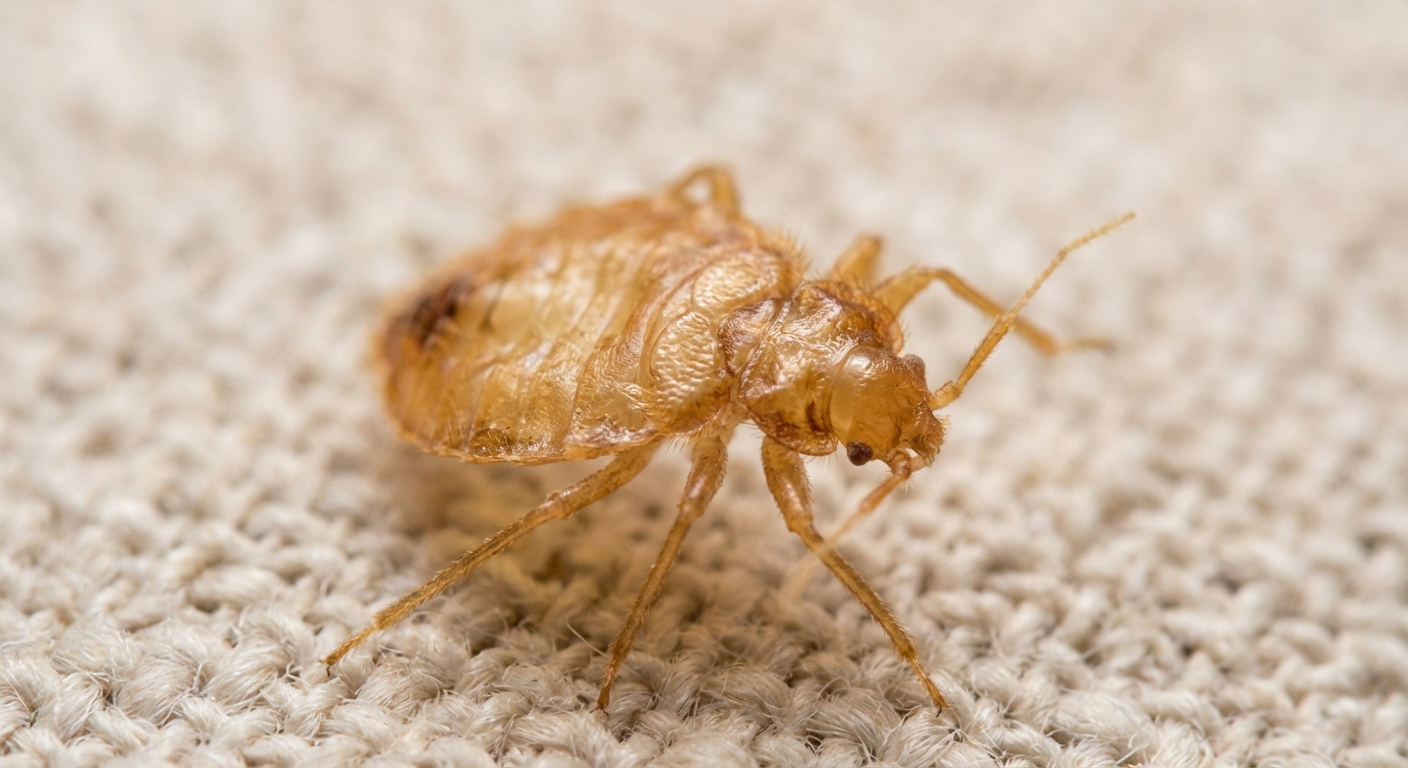
Shed exoskeletons from nymphal molts are translucent, pale amber-yellow, and hold the exact hollow shape of the nymph. These are easier to find than live bugs and are a 100% confirmed sign of a growing population.
Have Evidence Photos?
Found tiny white specks, translucent ovals, or hollow amber shells in mattress seams? These three forms of white bed bug evidence are exactly what our AI is trained to distinguish from dust, fabric, or other debris. Upload a macro photo for immediate expert analysis.
White Bugs That Are NOT Bed Bugs
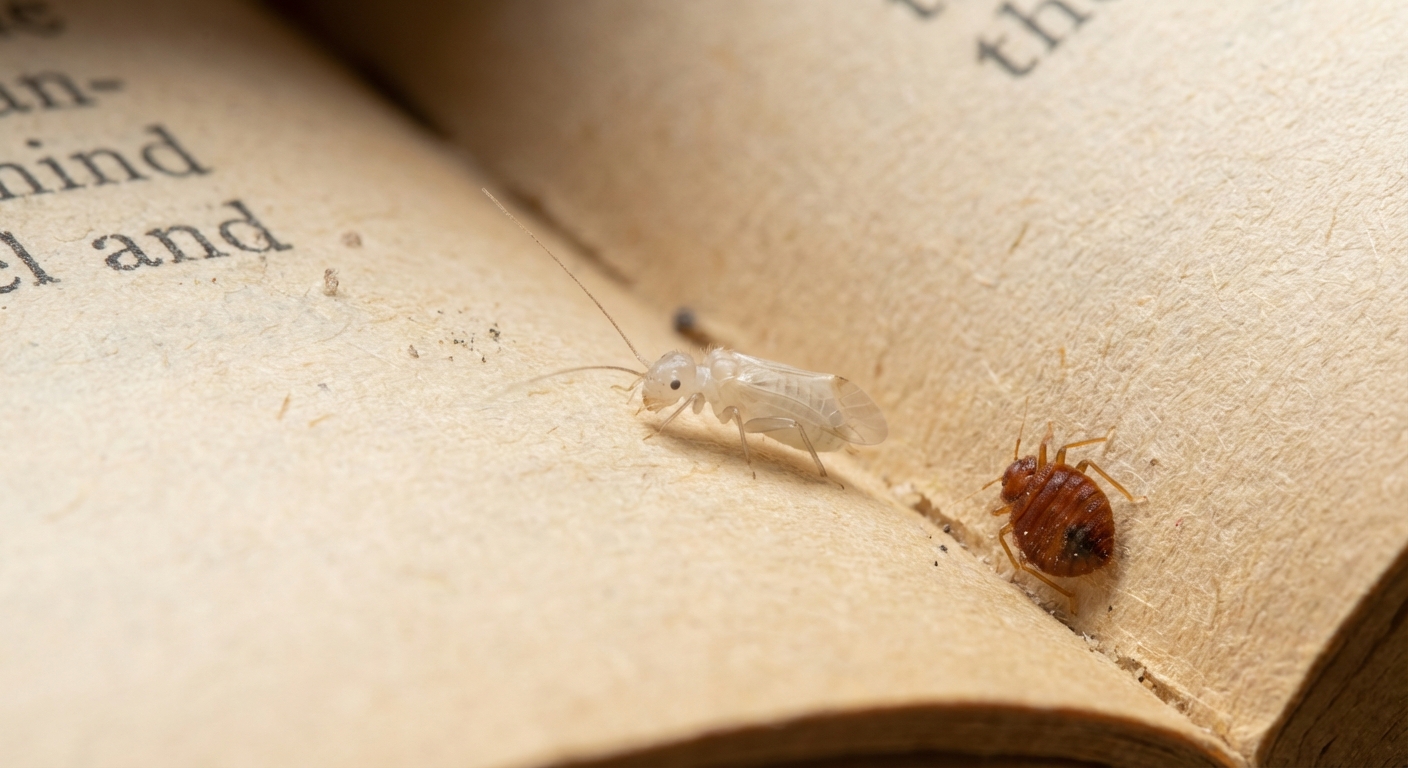
- Psocids (book lice): Tiny pale insects found in humid areas with mold or paper. Not bed bugs—they do not bite.
- Mold mites: White specks in humid environments. Extremely small, round-bodied, not flat and oval.
- Carpet beetle larvae: White to cream colored, but fuzzy with visible hairs—very different from the smooth texture of bed bug nymphs.
The definitive test: bed bug eggs stick firmly to surfaces (glue-like adhesive) and will not brush away like dust. If a small white cluster in a mattress seam resists gentle brushing, treat it as bed bug eggs until proven otherwise.
For the full guide to bed bug color across all life stages, visit our hub: what color are bed bugs.
Related Identification Guides
- Are Bed Bugs Red in Color? — What happens when a nymph feeds
- Bed Bug Color Stages — From white egg to reddish-brown adult
Have Evidence Photos?
Now that you know the difference between sticky white bed bug eggs, transparent nymphs, and amber shed skins versus look-alikes like book lice and mold mites—upload what you found. Our AI will analyze the shape, texture appearance, grouping pattern, and location to make an expert determination.
- Are Bed Bugs Ever Black? The Real Color Range + What ‘Black Bed Bugs’ Usually Are
- Bed Bug Color by Stage: Eggs → Nymphs → Adults (Exact Sizes + Colors)
- Before vs After Feeding: Why Bed Bugs Change Color (Tan → Red → Dark)
- Can Bed Bugs Be Green or Orange? Not a Bed Bug — Here’s What It Likely Is
- Tiny Red Bug in Bed? When Bed Bugs Turn Red (Fed Nymphs vs Look-Alikes)
- Bed Bug Shells but No Bugs: What It Really Means + Free AI Analysis