Tiny Red Bug in Bed? When Bed Bugs Turn Red (Fed Nymphs vs Look-Alikes)
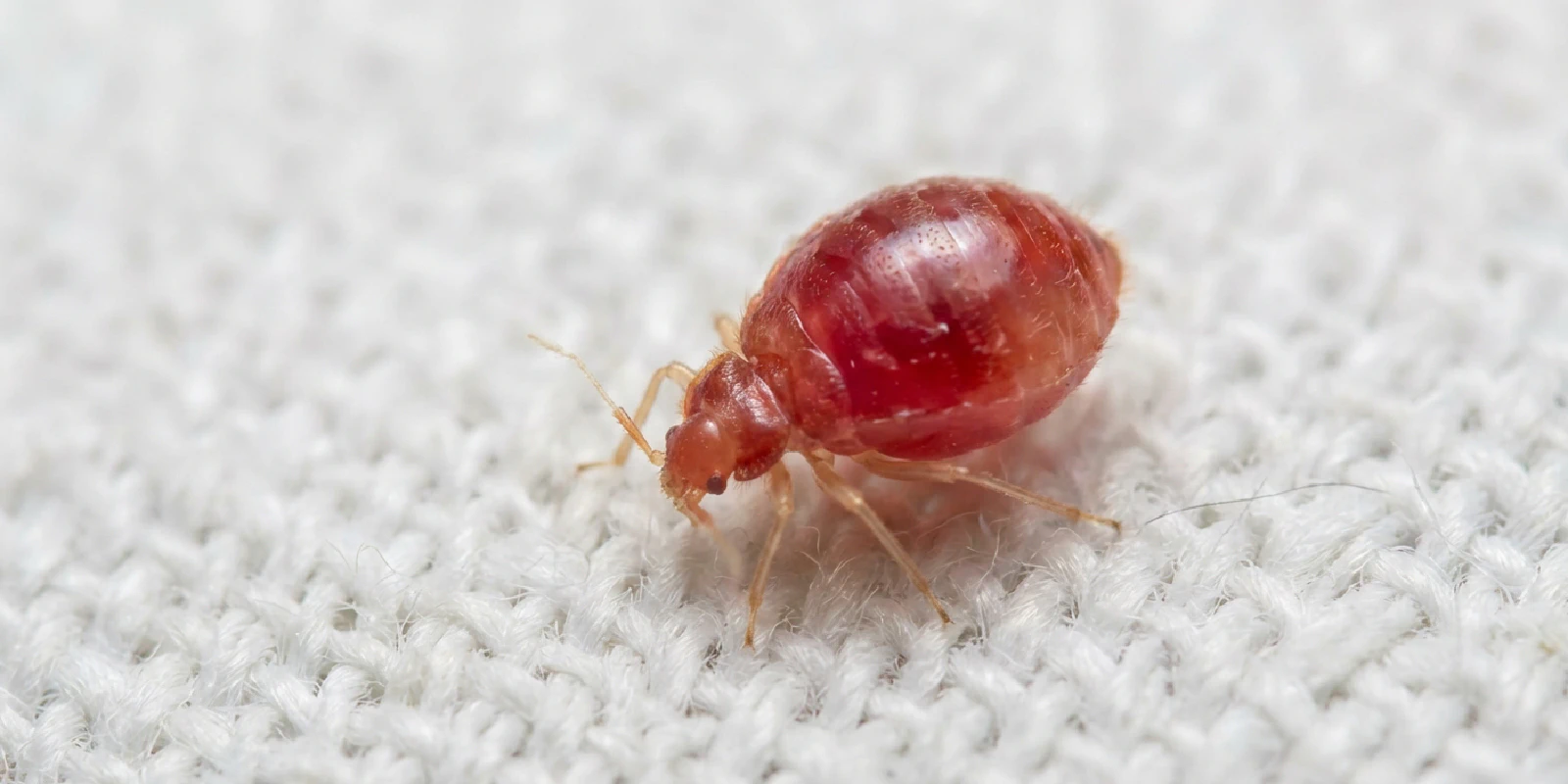
Bed bugs are not naturally red—but they turn vivid red immediately after feeding on blood. This color change is one of the most startling things people discover when they first encounter bed bugs: a bug they expected to be brown appears as a bright red dot. Understanding exactly when and why this happens is critical for accurate identification. A red bug in your bed is a high-probability bed bug indicator, but confirming species requires more than color alone.
Why Bed Bugs Turn Red After Feeding
Adult bed bugs are reddish-brown to mahogany in their unfed state. Their exoskeleton is pigmented brown. When they feed, their bodies engorge rapidly with blood—the abdomen stretches and the exoskeleton becomes partially translucent, allowing the red blood inside to visibly color the insect.
This effect is most dramatic in early-stage nymphs (1st and 2nd instar). These nymphs are nearly transparent before feeding—their exoskeletons lack the brown pigment of adults. When they feed, they transform from nearly invisible clear to a vivid, unmistakable red in under 5 minutes. A 1.5mm bright red speck moving slowly on your mattress seam is almost certainly a first-instar bed bug nymph that fed on you while you slept.
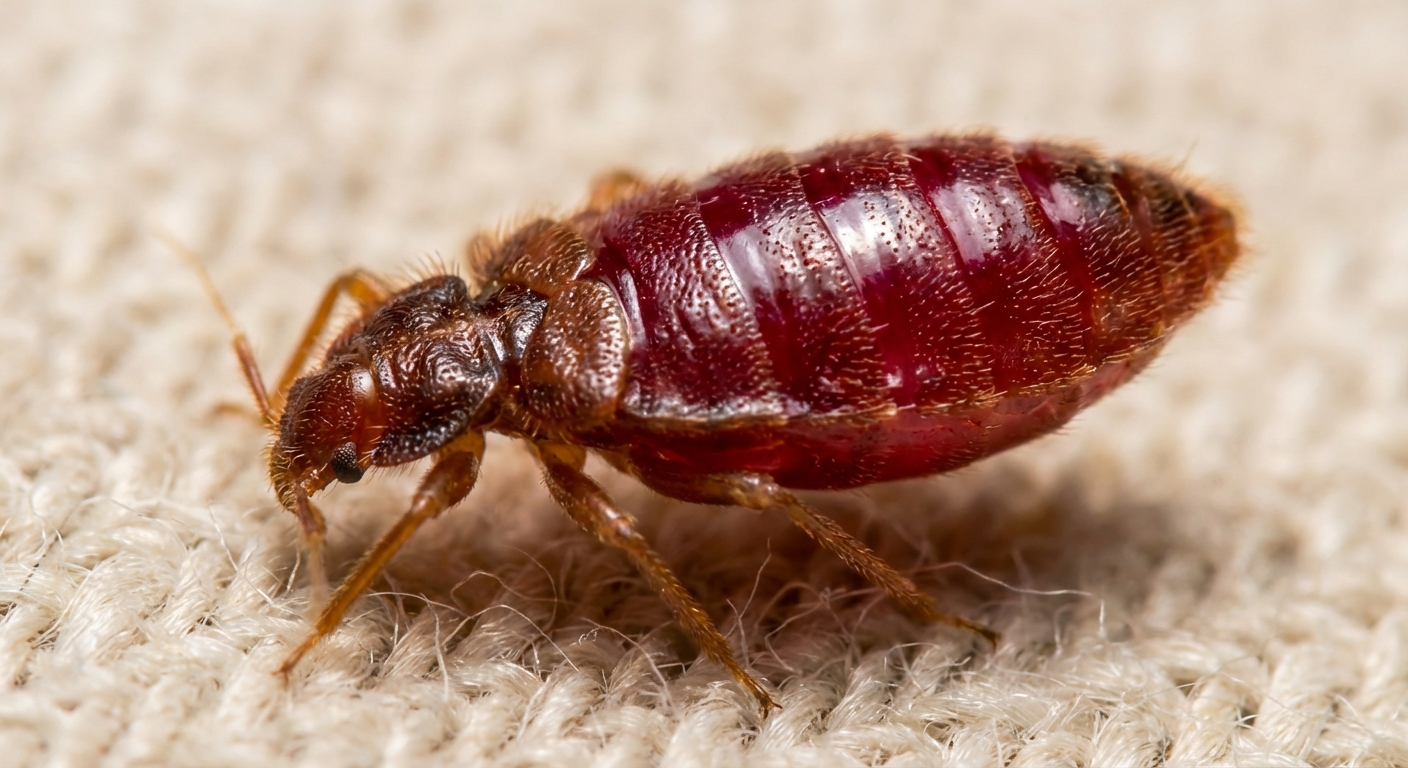
Adults display a subtler but still visible color shift—going from their normal reddish-brown to a deeper crimson-rust after engorgement. Their abdomen also visibly rounds out, losing the flat profile that is characteristic of unfed bed bugs.
Key rule: The more red, the more recently fed.
Have Evidence Photos?
Found a red bug in bed that might have just fed? This specific scenario—small, flat, vivid red, slow-moving—is exactly what our AI analyzes. Upload a photo and we'll confirm whether it matches a fed bed bug nymph profile based on color saturation, body shape, and size.
Red Bugs That Are NOT Bed Bugs
Not every red bug in a bedroom is a bed bug. Key look-alikes:
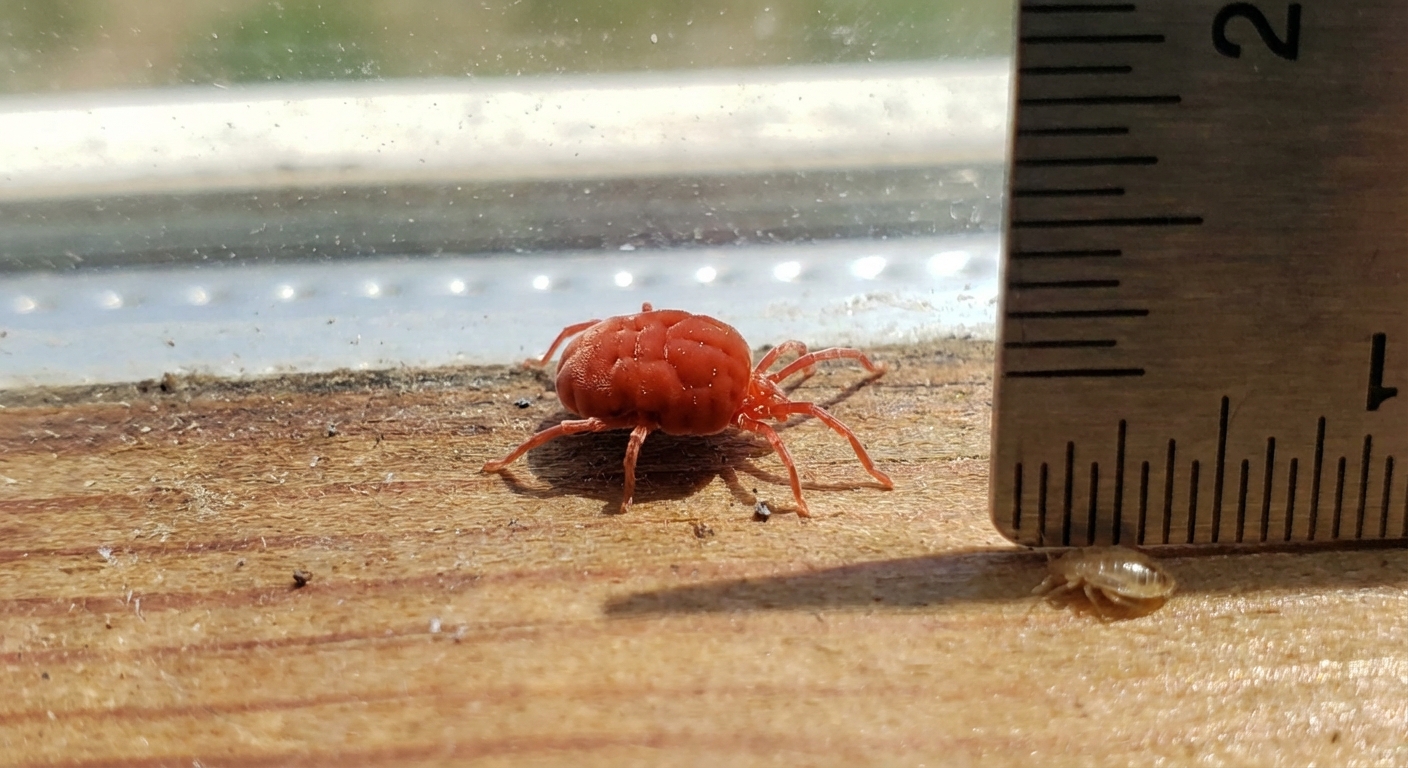
- Clover mites: Tiny (0.75mm), round, bright red, eight legs. They do not bite humans and come from plants outside.
- Spider mites: Very small, reddish, found on indoor plants—not furniture.
- Carpet beetle larvae: Can appear reddish-brown but are fuzzy and elongated, not flat and oval.
The definitive separation: bed bug nymphs are flat and oval. All common red look-alikes are either round (mites) or elongated. If it’s flat, oval, and leaves a blood smear when pressed, it is almost certainly a fed bed bug nymph.
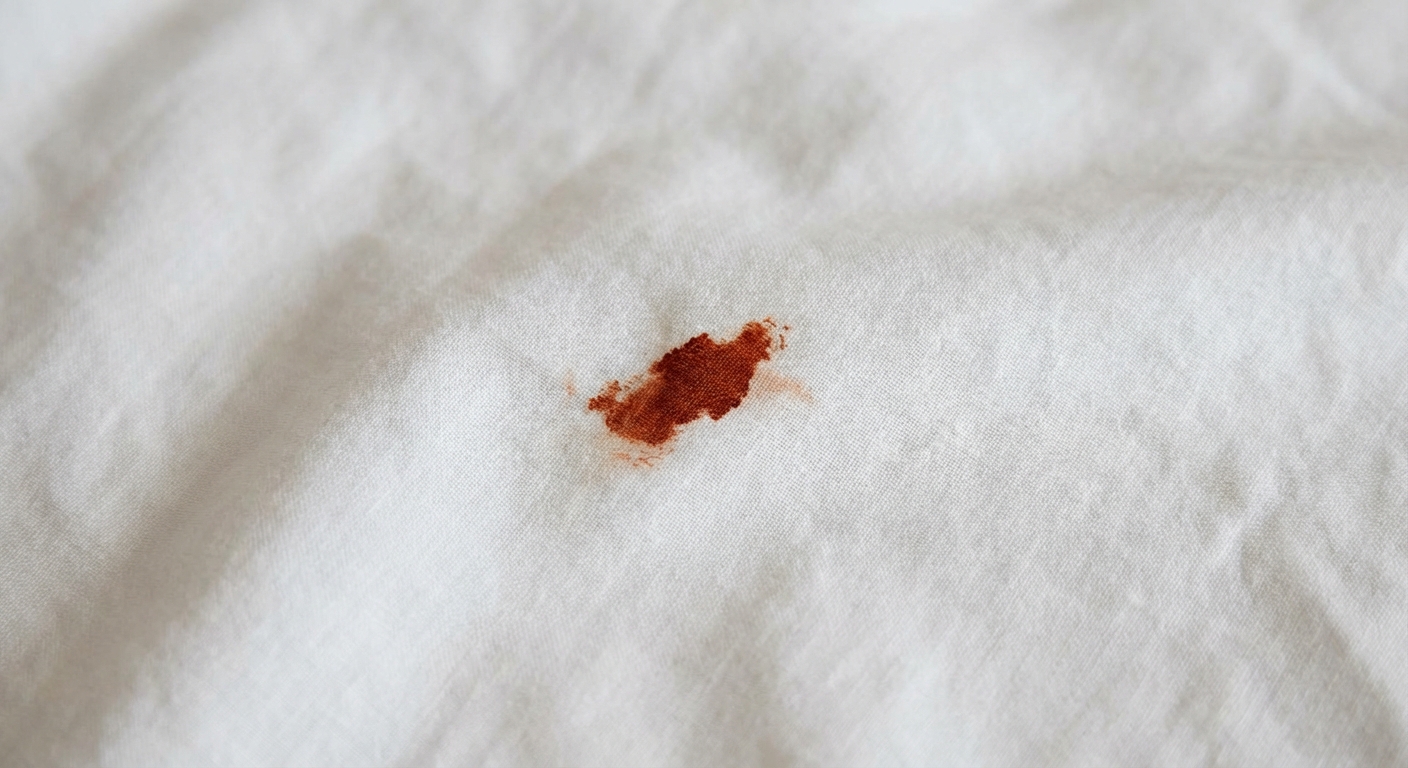
For the full color spectrum of bed bugs across life stages, see our comprehensive guide: what color are bed bugs.
Further Reading
- Are Bed Bugs White in Color? — Identifying early-stage nymphs and eggs
- Bed Bug Color Stages — How color tracks through each life stage
- Bed Bug Color Before and After Feeding — The full transformation explained
Have Evidence Photos?
Now that you understand the difference between fed bed bug nymphs and red look-alikes like clover mites—use that knowledge to get a definitive answer. Upload your photo and our AI will distinguish the flat, oval profile of a bed bug from round mites or elongated beetle larvae.
- Are Bed Bugs Ever Black? The Real Color Range + What ‘Black Bed Bugs’ Usually Are
- Bed Bug Color by Stage: Eggs → Nymphs → Adults (Exact Sizes + Colors)
- Before vs After Feeding: Why Bed Bugs Change Color (Tan → Red → Dark)
- Can Bed Bugs Be Green or Orange? Not a Bed Bug — Here’s What It Likely Is
- White or Translucent Bugs on Mattress? Eggs, Nymphs, or Shed Skins Explained
- Bed Bug Shells but No Bugs: What It Really Means + Free AI Analysis